2026 Lyrid Meteor Shower: Peak Viewing Times and Locations in New York

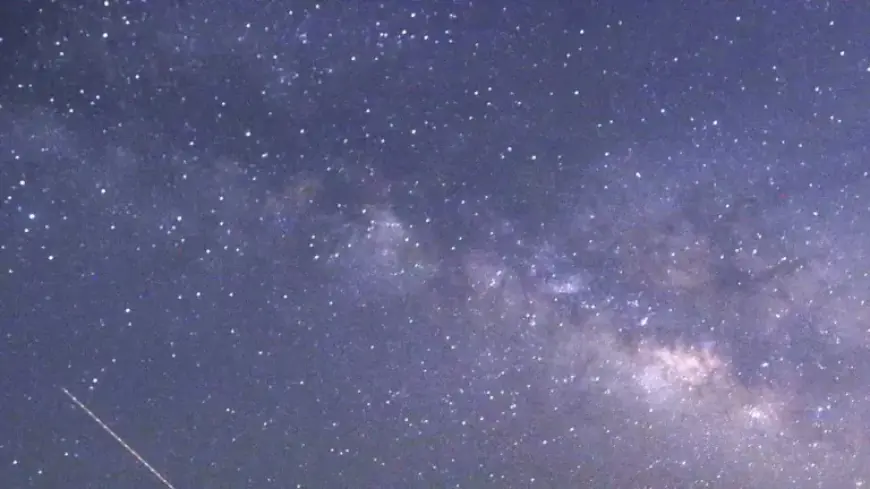
The Lyrids meteor shower will light up New York skies in April 2026. It becomes active on April 14 and runs through April 30, according to the American Meteor Society.
When to watch in New York
The shower is expected to peak on the night of April 21. Timeanddate predicts peak viewing in New York on April 22 and 23 due to local weather concerns. The best viewing window is generally between midnight and dawn across the Northern Hemisphere.
On the peak night, lunar interference should be minimal. The moon will be about 27 percent full on April 22, the AMS reports.
Where to watch
Choose a site with low light pollution for the best views. City lights will wash out faint meteors, so head to darker areas outside the city.
New York’s Adirondack Mountains often provide dark skies and wide horizons. Observers should also monitor local weather for cloud cover.
Finding the radiant
The Lyrids appear to radiate from the constellation Lyra. The bright star Vega marks that area of the sky.
Look toward the northeast between about 9 and 10 p.m. ET to find Vega. Vega climbs higher as the night progresses, improving chances of seeing meteors.
What to expect
The Lyrids come from debris left by comet Thatcher, according to NASA. Particles burn up in Earth’s atmosphere and often appear as fast, bright fireballs.
They are one of the oldest recorded meteor showers. Lyrid events usually produce brief, brilliant streaks rather than long glowing tails.
2026 meteor shower schedule
Several meteor showers will be active in 2026. Below is a concise schedule from the American Meteor Society.
| Shower | Activity Dates | Peak Night |
|---|---|---|
| Lyrids | April 14–April 30, 2026 | Night of April 21 |
| Eta Aquariids | April 19–May 28, 2026 | Night of May 5 |
| Southern Delta Aquariids | July 12–Aug. 23, 2026 | Night of July 30 |
| Alpha Capricornids | July 3–Aug. 15, 2026 | Night of July 30 |
| Perseids | July 17–Aug. 24, 2026 | Night of Aug. 12 |
| Orionids | Oct. 2–Nov. 7, 2026 | Night of Oct. 21 |
| Southern Taurids | Sept. 20–Nov. 20, 2026 | Night of Nov. 4 |
| Northern Taurids | Oct. 20–Dec. 10, 2026 | Night of Nov. 11 |
| Leonids | Nov. 6–Nov. 30, 2026 | Night of Nov. 16 |
| Geminids | Dec. 4–Dec. 17, 2026 | Night of Dec. 13 |
| Ursids | Dec. 17–Dec. 26, 2026 | Night of Dec. 21 |
| Quadrantids | Dec. 28, 2026–Jan. 12, 2027 | Night of Jan. 3, 2027 |
The Lyrids will overlap in activity with the Eta Aquariids. The Eta Aquariids peak early in May, on the night of May 5.
For those planning outings, search for local forecasts and visibility maps. Filmogaz.com recommends checking official sources before heading out.
Keywords to guide readers: 2026 Lyrid meteor shower, peak viewing times, locations in New York.