






















Kim English Exit at Providence Forces Coaching Search and Contract Choices for Friars

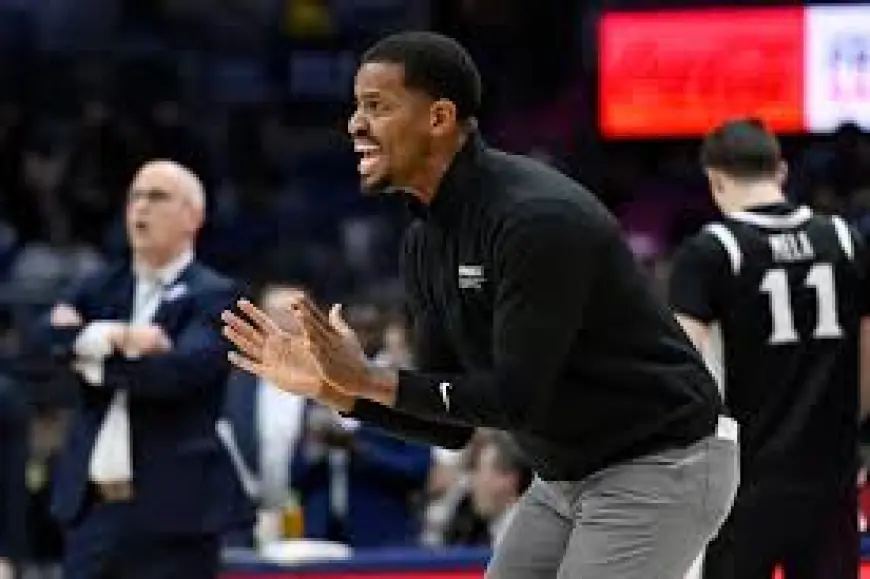
What changes now is immediate and procedural: with kim english told he will not be retained beyond this season, Providence faces a short, consequential window to settle contract details and begin a formal search while the team finishes the schedule. The decision puts the program’s postseason focus, roster morale and administrative calendar at the center of the next two weeks.
Kim English: near-term consequences for the program and roster
The announcement alters how the college handles personnel and planning over the season’s final days. A replacement search is expected to begin in earnest at the end of the season, and contract resolution between the coach and the college is now a clear administrative priority; discussions about a buyout are reported as part of the likely process but remain developing. Team performance in the remaining regular-season game and the Big East Tournament will shape timing and optics for any transition.
Here’s the part that matters for players and staff: continuity is already disrupted. The coaching staff will finish out the immediate schedule, but recruiting conversations and offseason preparation will occur under the shadow of a formal change. Fans and alumni sentiment, already strained, will factor into how quickly school leaders move forward.
The bigger signal here is that the school intends to treat the final weeks as a contained operational period rather than an immediate dismissal; that narrows short-term options while preserving a controlled handover at season’s end.
Event details and context embedded in the outcome
Over three seasons with the Friars, kim english compiled a 47-50 record. The team is listed at 14-16 overall and 7-12 in conference play this season, and has not reached the NCAA Tournament during his tenure. The college still has at least one regular-season game remaining and will participate in the Big East Tournament, which is scheduled to begin March 11. The coach was hired from George Mason after the 2023 season; his arrival followed a prior playing career at another university.
Elements that remain unsettled include contract mechanics and the official timing of any public announcement. The school has not publicly changed the coach’s in-game role for the remainder of the schedule and officials have indicated evaluations will be completed after the season concludes. Whether the parties will finalize a buyout or other terms before a formal job search ramps up is listed as likely but not confirmed.
- Coach status: informed he will not return next season; will remain on staff through the end of the current season.
- Record with program: 47-50 across three seasons.
- Current season: 14-16 overall, 7-12 in conference; at least one regular-season game remains.
- Postseason calendar: Big East Tournament begins March 11; the Friars are positioned in the middle of the conference standings.
- Contract note: multiple years remained on the coach’s deal and a buyout is expected to be discussed — this point is still developing.
If you’re wondering why this keeps coming up during the season: finishing the schedule while negotiating a transition compresses both public relations work and the formal search timetable, forcing athletic department leaders to balance immediate results with longer-term hires. The real question now is how quickly the college will move from evaluation to announcing a successor once the tournament window closes.
Key takeaways:
- The program will begin a coaching search once the season is over and will need to resolve contractual terms before making long-range hiring decisions.
- Players, recruits and assistants will face a short span of uncertainty that could affect offseason planning and recruiting conversations.
- Performance in the remaining regular-season game and the Big East Tournament will influence timing and public perception of the change.
- Contract buyout details are expected to be negotiated but remain unsettled at this time.
It’s easy to overlook, but the institutional choice to let the coach finish the season suggests a desire to control the narrative and preserve competitive continuity through the tournament window — even as the search clock quietly starts to run.