






















Markwayne Mullin’s on-air reversals raise questions for Republican messaging

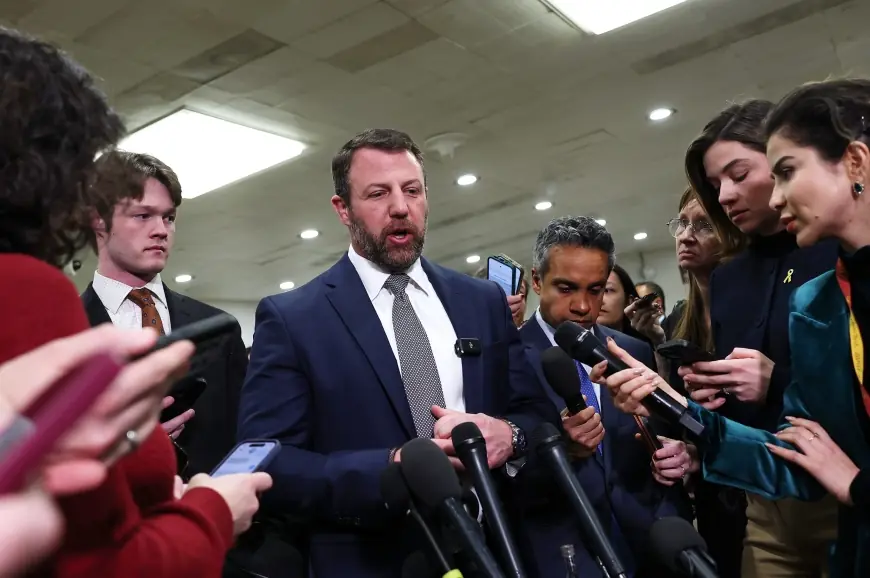
markwayne mullin reversed his public position on whether U. S. operations in Iran are a war multiple times over roughly two days, a pattern that has intensified scrutiny of his role as a prominent partisan surrogate. The senator also made sensory remarks about combat and a series of public mistakes that critics say undermine his credibility as a spokesperson.
Markwayne Mullin’s four reversals
Over the course of roughly two days, the senator changed his position on the status of U. S. operations in Iran four times. In one appearance he said, "We are not at war with Iran. " Hours later, while defending the administration’s military offensive, he said, "War is ugly. It smells bad. And if anybody’s ever been there and been able to smell the war that’s happened around you and taste it and fill it in your nostrils and hear it, it’s something that you’ll never forget. " A subsequent interview saw him call the situation "isn't a war, " and later, speaking to reporters on Capitol Hill, he alternated between calling the crisis a "war" and insisting that a previous remark was "a misspoke. "
Sensory remarks and public pushback
The senator’s description of the sensory experience of war drew immediate attention because he has not served in the military, and that mismatch was noted by those with battlefield experience. The sensory language—about smelling and tasting war—became a focal point for critics who argued the comments exposed a gap between his rhetoric and lived experience. The senator’s defenders framed the remarks as an attempt to emphasize the human cost of conflict, while others described them as misguided and ill-informed.
Additional gaffes add to scrutiny
Beyond repeated shifts on whether the U. S. is at war, the lawmaker made several other notable errors in recent public remarks. He appeared to confuse two historical Iranian leaders and argued that Iran "was more Westernized than the United States" before the 1979 revolution. He also mistakenly referred to a prominent defense official as the president on one occasion, and has referred to Iran as Iraq more than once. Those misstatements have been cited by critics as evidence that his frequent media appearances risk creating avoidable distractions.
Implications for Republican outreach
The senator is identified in recent commentary as a prominent White House ally and surrogate, and his high-profile appearances are intended to bolster messaging. The rapid sequence of position changes and public errors, however, has prompted questions internally and externally about whether elevating him as a leading partisan voice is effective. If the party continues to rely on him for high-visibility outreach, the pattern of reversals and gaffes could complicate efforts to present a consistent narrative on national security matters.
What to watch next
In the near term, attention will focus on whether the senator’s public statements stabilize and whether party communicators adjust who appears as a principal surrogate. Observers will also note how critics and allies respond to the sensory remarks and factual mistakes, and whether those reactions affect the frequency or framing of his future appearances. Absent clearer, consistent messaging from the senator, the immediate risk is further erosion of his effectiveness as a repeat on-air advocate for party positions.