





















Buffalo Bills Combine Watch: Why 2026 WRs and Day‑2 Performers Matter for Fans and the Front Office

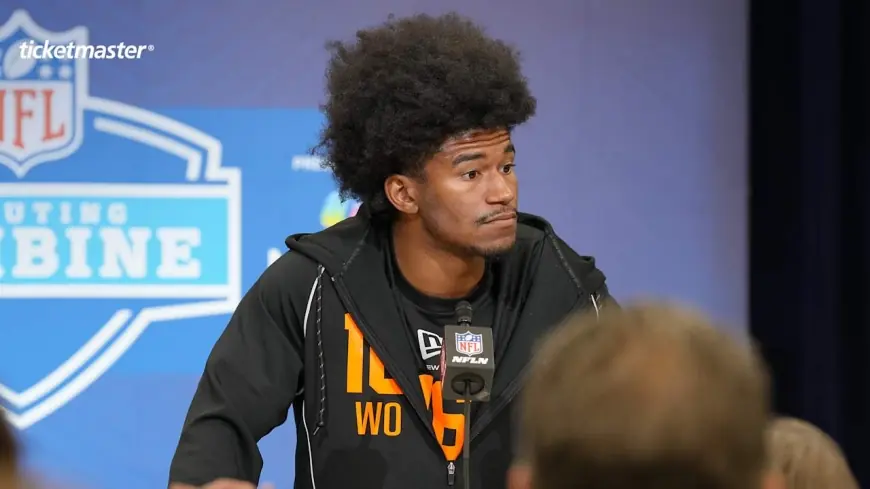
The 2026 NFL Scouting Combine sharpened a clear lens on roster fit: wide receivers publicly expressed interest in joining the buffalo bills, and several top‑performing prospects at multiple positions matched needs the team might prioritize. That matters now because mock‑draft placement and stretch athletic testing are converging on a narrow group of players who could reshape the next draft strategy and the fan conversation heading into April.
Buffalo Bills supporters and decision-makers face clearer pursuit targets after Indianapolis
Here’s the part that matters: multiple wideouts at the Combine signaled they’d welcome playing with Josh Allen, and mock drafts repeatedly linked two prospects to Buffalo. For supporters, that turns speculative chatter into a shortlist worth watching; for the front office, it prioritizes fit over headline metrics. It also forces a choice between picking for a red‑zone, size matchup or selecting speed and route versatility later in Day 2.
It’s easy to overlook, but draft placement and combine testing are complementary signals — one shows market expectation, the other shows raw trait ceiling. The real test will be how the team balances those signals against existing roster construction and coaching preferences in the weeks before the draft.
Combine takeaways and prospect details that intersect with Buffalo Bills planning
The Combine produced two clear wide receiver names linked repeatedly to Buffalo: a 6'4", 210‑pound Washington prospect who posted 62 receptions for 881 yards and 11 touchdowns in 2025, and a 6'5", 200‑pound Tennessee prospect who led the SEC with 1, 017 receiving yards in 2025. Both spoke favorably about the idea of catching passes from Josh Allen and were mocked to Buffalo multiple times at the same draft slot.
- Washington WR — 2025: 62 receptions, 881 receiving yards, 11 TD; career: 20 TDs and more than 1, 700 receiving yards across 43 games. Strength noted: exceptional catch radius tied to long arms.
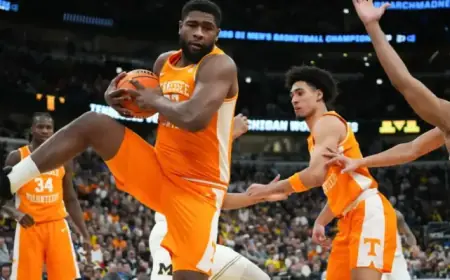
- Tennessee WR — 2025: led the SEC with 1, 017 receiving yards; two‑season totals at Tennessee: 91 receptions, 1, 350 yards, 11 TD. Strengths noted: size, speed, inside/outside versatility.
Beyond receivers, athletic testing at the Combine highlighted edge and skill prospects whose profiles align with long‑term roster planning: a Central Florida edge with an elite Relative Athletic Score (RAS) and a Wisconsin edge with strong explosion measures were both called out as day‑two caliber rushers; a North Dakota State receiver posted near‑top RAS marks across speed and explosiveness metrics. The team also has an example of a previously drafted athletic safety who tested very highly two years ago, a reminder that athletic upside has been a clear evaluation axis.
Here are the short, concrete signals that could influence decision paths this offseason:
- Repeated mock‑draft placements for specific wideouts place them squarely on the internal radar for the pick in question.
- Size‑and‑catch‑radius profiles (6'4"+/6'5") are emphasized by prospects who framed themselves as red‑zone mismatches — a direct answer to schematic scoring opportunities.
- High athletic scores from smaller schools and day‑two edge test performers create leverage for trading up or packaging later picks.
What changes because of this: the front office now has a shortlist of realistic fits that combine production with measurable traits, and fans can expect more concrete trade‑up chatter tied to those names rather than generic receiver talk. If you’re wondering why this keeps coming up, it’s because multiple prospects openly linked themselves to the franchise while mock drafts repeatedly placed them in the same spot — that alignment lowers the friction for actual roster moves.
Who feels the impact first: the fan base, which will be active in early trade rumor cycles, and the personnel staff, which must weigh scheme fit versus athletic ceiling when the draft arrives. Minor stakeholders include prospect representatives, whose market value can shift when both mocks and player statements align.
Micro timeline: Combine week in Indianapolis featured hundreds of invitees; 319 prospects were invited overall. During that span, the two wideouts with the most Buffalo linkage reinforced draft positioning with both production and conversation.
It’s a lean, actionable slate of signals rather than a wholesale verdict on roster direction: watch how the team treats size versus versatility and whether trade discussions pick up around those repeat matchings. The coming weeks should clarify whether mock placement turns into draft action or remains offseason noise.