
























Iran Strikes Fuel Concerns Over Insider Trading as Gamblers Profit

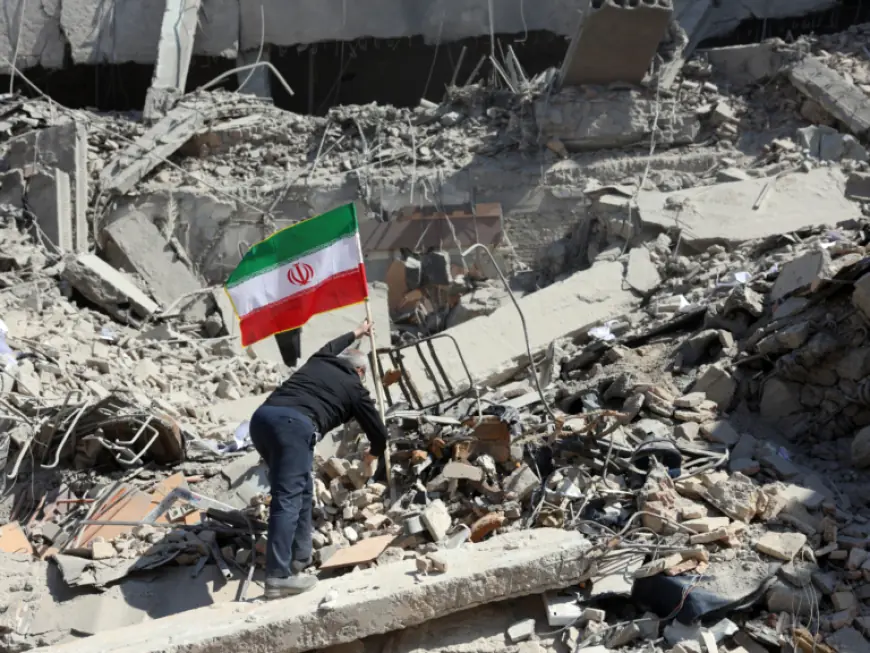
The recent joint military actions taken by the United States and Israel against Iran have raised significant political concerns. Critics in Washington, D.C., are questioning the legality and implications of these military interventions. However, another aspect of this unfolding situation has emerged: individuals profiting through prediction-market platforms like Kalshi and Polymarket.
Concerns Over Insider Trading
These prediction markets allow traders to place bets on the outcomes of significant events, including wars and geopolitical conflicts. Recently, a user identified as “Magamyman” reportedly earned over $500,000 by predicting a shift in power in Iran shortly after the US-Israel strikes. This user made his bet when the likelihood of a military strike was just 17%, placing his trade just over an hour before the news became public.
- Key Users Identified: Traders “Planktonbet,” “Dicedicedice,” and “nothingeverhappens911” also engaged in similar betting activities.
- Concerns Raised: These patterns have reignited fears about insider trading, paralleling past instances when traders profited from events such as political upheavals or the abduction of foreign leaders.
Political Pushback
This surge in prediction trading has prompted a bipartisan response for regulatory reforms. Advocates from both sides of the political spectrum express concerns over the ethical implications of allowing speculation on conflict outcomes.
- Mick Mulvaney: Former Trump administration official leads a coalition calling for stricter regulations akin to those governing traditional gambling.
- Senator Chris Murphy: Critically labeled the trades as “insane” and plans to introduce legislation to ban the practice altogether.
Regulatory Landscape of Prediction Markets
Kalshi is the only prediction market in the U.S. regulated by the Commodity Futures Trading Commission. It enforces stringent user identification and prohibits markets linked directly to violent outcomes. In contrast, Polymarket operates with more anonymity and has drawn criticism for allowing betting on severe geopolitical events.
Market Mechanics
Prediction markets function similarly to stock trading, where the prices of shares fluctuate based on event probabilities.
- Events can range from elections to geopolitical conflicts.
- Traders agree to payoff amounts if their predicted outcomes come true, resembling futures contracts in commodities.
Recent Developments and Future Implications
Both platforms continue to draw scrutiny. Kalshi has introduced policies to prevent profiting directly from violent events. Meanwhile, Polymarket insists on its value in providing accurate forecasts while facing doubts about its operational legitimacy in the U.S.
Regulatory discussions could evolve substantially in the coming months, focusing on whether gambling should intersect with major geopolitical crises. The implications for democracy and market integrity remain a priority for lawmakers examining these platforms.