
























Cuba Faces Widespread Blackouts Amid Trump’s Embargo Impact

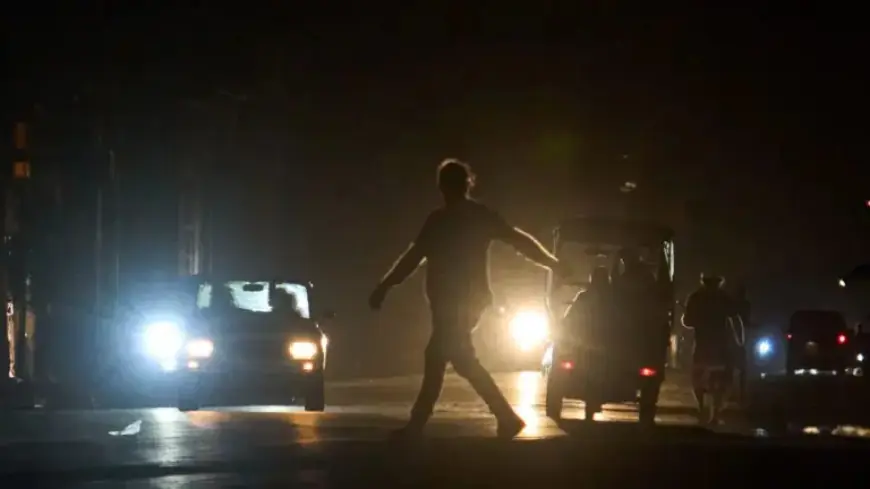
In Cuba, millions faced power outages following a shutdown at one of the nation’s largest thermoelectric facilities. Authorities reported that a boiler leak at the Antonio Guiteras plant, located about 62 miles (100 km) east of Havana, triggered the disruption.
Cuba’s Widespread Blackouts and Recovery Efforts
The blackout primarily affected the capital, Havana, and extended through western Cuba, impacting towns such as Pinar del Rio and Camaguey. As of Wednesday evening, local energy officials confirmed that power had been restored to about 2.5% of Havana, allowing approximately 21,100 residents to regain electricity. They noted that restoration efforts were gradual, dependent on the condition of the national electrical grid.
Government Response
Vicente de la O Levy, Cuba’s energy minister, communicated via X that the government prioritized powering critical infrastructure, including hospitals and medical clinics in the darkened regions. By Thursday morning, reports indicated that the electrical grid had been reconnected between Guantanamo in eastern Cuba and Pinar del Rio in the west, with power generation being reinstated.
- 22 substations and 102 distribution circuits in Havana were restored, representing about 36% of the city’s power.
- Power restoration remains a gradual process, contingent on system conditions.
Impact of the U.S. Embargo
This incident marks the second widespread blackout Cuba has experienced in three months. The recent turmoil coincides with the enforcement of a stringent oil and fuel embargo initiated by the Trump administration. This embargo has triggered an acute oil shortage, leading to what international charities describe as a humanitarian crisis.
The recent power outage follows a previous incident in December, where a fault in a transmission line caused a similar blackout lasting nearly 12 hours. Cuba’s electric grid has been under increasing strain, significantly compounded by dwindling oil reserves and disruptions to petroleum shipments from Venezuela, particularly after political upheaval in the region.
International Reactions and Support
The United Nations has criticized the U.S. actions, labeling them a serious violation of international law. In response to the ongoing crisis, both Mexico and Canada have extended aid to the beleaguered island nation.
Despite these efforts, Cuba’s struggles with its electric grid and fuel supply intermittence continue to pose significant challenges. Comments made by U.S. officials, including hints of potential military action against the Cuban government, underscore the fraught geopolitical landscape impacting the island.
As the situation evolves, the people of Cuba remain resilient in navigating the challenges posed by both external pressures and internal infrastructure issues.