

























Qatar Shoots Down Two Iranian Su-24 Aircraft Over Doha: First Manned Kills of the Iran Conflict

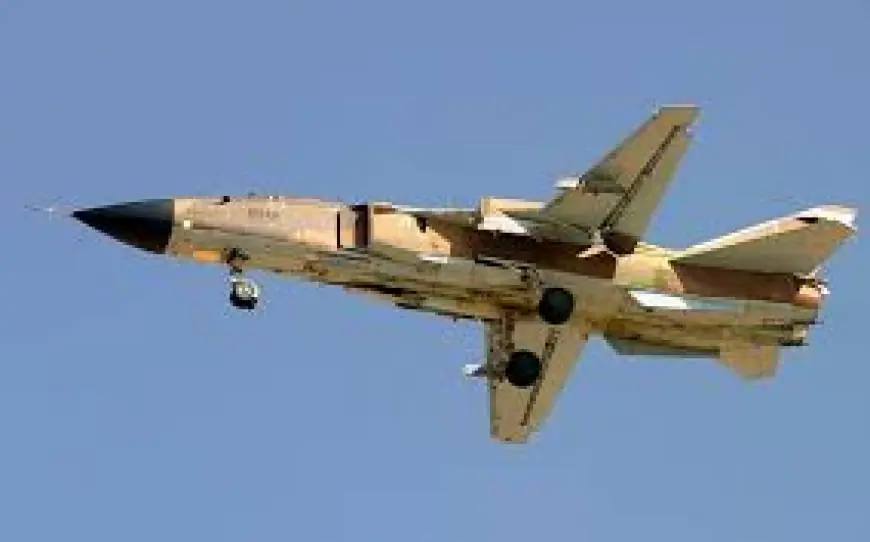
In a major military escalation, Qatar confirmed on March 2, 2026 that the Qatar Emiri Air Force shot down two Iranian Su-24 aircraft approaching its airspace — marking the first confirmed destruction of Iranian crewed warplanes since the US-Israel strikes on Iran began days earlier.
Qatar Su-24 Shootdown: What the Doha Defense Ministry Said
The Qatari Ministry of Defense confirmed its Emiri Air Force shot down two Su-24 aircraft coming from the Islamic Republic of Iran, crediting the success to high readiness, security vigilance, and joint coordination among relevant authorities.
Air defense systems also intercepted seven ballistic missiles, while five drones were neutralized through coordinated efforts by the Qatar Emiri Air Force and the Qatar Emiri Naval Forces, which targeted several areas across the country.
The ministry confirmed all missiles were intercepted before reaching their intended targets, with no casualties or damage reported in the official announcement.
What Is the Su-24 Aircraft Iran Was Flying
The Su-24 is a Soviet-designed, twin-engine tactical strike aircraft typically used for low-altitude penetration and precision bombing missions.
Iran acquired its Su-24 fleet from Iraq in the 1990s during the Gulf War. The aircraft are considered Soviet-era platforms, well past their operational prime compared to modern Western fighter jets now defending Gulf airspace.
The Su-24, known by NATO as the Fencer, carries a variable-sweep wing design and is capable of carrying both conventional and guided munitions — making it a direct threat to Qatar's critical energy infrastructure when flown aggressively toward Doha.
First Iranian Manned Aircraft Confirmed Destroyed in Combat
The Qatar Emiri Air Force's downing of two Iranian Su-24 jets marks the first crewed aircraft from the Islamic Republic confirmed destroyed in combat since fighting began the previous week.
The shootdown was also the first time Qatar's air force had ever engaged a manned Iranian warplane, occurring on the third consecutive day of Iranian bombardment against Gulf states.
The Qatar Emiri Air Force's combat aircraft inventory includes Boeing F-15QA Ababil jets, Dassault Rafales, and Eurofighter Typhoons. Further details of the aerial engagement — including which specific Qatari jets were involved — have not been disclosed.
Iran Targets Doha Energy Facilities Before Su-24 Intercept
Earlier on March 2, one Iranian drone targeted an energy facility in Ras Laffan Industrial City belonging to QatarEnergy, the country's onshore gas processing base located 80 kilometers north of Doha. A second drone struck a water tank at a power plant in Mesaieed, 40 kilometers south of the capital.
Qatar's state-run energy firm announced a halt to liquefied natural gas production due to the attacks. The shutdown caused European benchmark gas prices to surge almost 50 percent, while Asian LNG benchmark prices jumped nearly 39 percent.
Qatar shares the world's largest natural gas reservoir with Iran. QatarEnergy estimates Qatar's portion of the North Field holds approximately 10 percent of the world's known natural gas reserves.
Regional Escalation: Gulf States and US Issue Joint Condemnation
The governments of the United States, Bahrain, Jordan, Kuwait, Qatar, Saudi Arabia, and the UAE issued a joint statement condemning Iran's missile and drone attacks against sovereign territories, calling the strikes unjustified and a dangerous escalation that violated sovereignty and threatened regional stability.
Iran has launched retaliatory strikes on targets in Qatar, Kuwait, the UAE, Saudi Arabia, and other countries following US-Israeli attacks that have killed hundreds of people across Iran since Saturday, February 28.
A drone also struck the runway of RAF Akrotiri on Cyprus — the UK's primary hub for Middle East operations — prompting Greece to deploy naval vessels and F-16s to help defend the island. Official sources described runway damage as minimal with no injuries.