

























NASA Confirms ‘Fireball’ Meteor Illuminated B.C. Night Sky

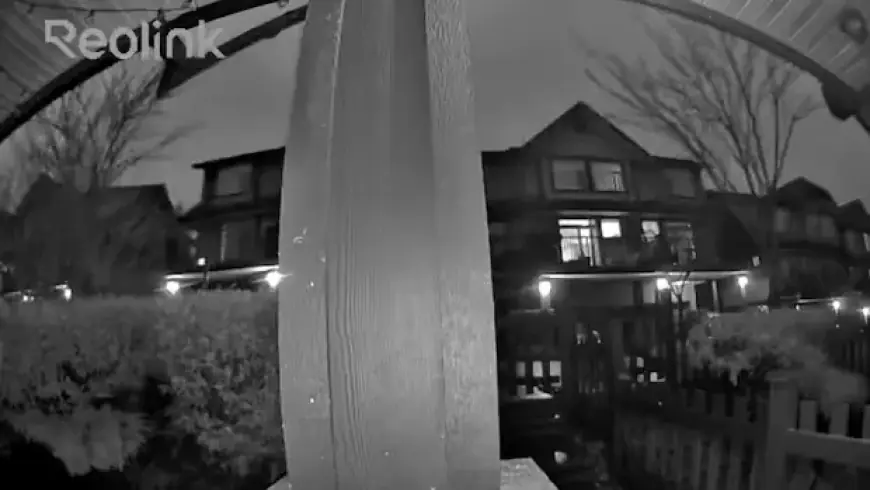
A recent meteor event delighted residents of British Columbia as a ‘fireball’ illuminated the night sky and produced a loud boom. Experts quickly identified this phenomenon as a natural occurrence, confirming its legitimacy through various observations and data.
What Happened During the B.C. Fireball Event
On a Tuesday night, British Columbians encountered a remarkable sight as a meteor streaked through the atmosphere. Reports indicate that the bright flash and accompanying sonic boom were part of an astronomical event that occurred shortly after 9 p.m. PT.
Expert Opinions and Observations
- Robert Lunsford from the American Meteor Society described the event as “undoubtedly a fireball.”
- He explained that average meteors are pea-sized; however, larger meteors can create spectacular visual effects.
- Johanna Wagstaffe, a meteorologist at CBC News, noted a spike in local seismographs around 9:10 p.m., which indicated a meteor was responsible.
- The sonic boom was attributed to the high-speed travel of the meteor, creating pressure in the air as it moved.
NASA’s Confirmation of the Meteor Event
NASA confirmed the sighting, announcing that the meteor was detected over the Pacific Northwest. It was located approximately 98 kilometers above Coquitlam, B.C., traveling east of north at an extraordinary speed of around 119,000 km/h.
Details of the Meteor’s Journey
The meteor journeyed approximately 71 kilometers before disintegrating at an altitude of 65 kilometers above Greenmantle Mountain, which is situated in Garibaldi Provincial Park.
Fireball Sightings Across the Region
The fireball was witnessed by individuals across a vast area. Observations ranged from as far west as Comox to as far south as Seattle, Washington. Brett Gladman, an astronomy professor at the University of British Columbia, provided insights into the meteor’s origin.
- The initial findings suggest a 10-centimeter rocky asteroid fragment entered Earth’s atmosphere.
- Potential estimates indicate that the size of the asteroid fragment could be as large as 100 centimeters.
Challenges of Recovery
The meteor’s descent occurred in a heavily forested and mountainous region, which complicates potential recovery of any surviving fragments. Gladman emphasized the difficulty of locating these remnants if they did reach the ground.
This fireball event not only captivated onlookers but also provided valuable data for scientists studying meteors and their interactions with Earth’s atmosphere. Further investigations are expected to shed light on this celestial occurrence.