

























Nepali Ex-Rapper Attracts Crowds in Prime Ministerial Campaign

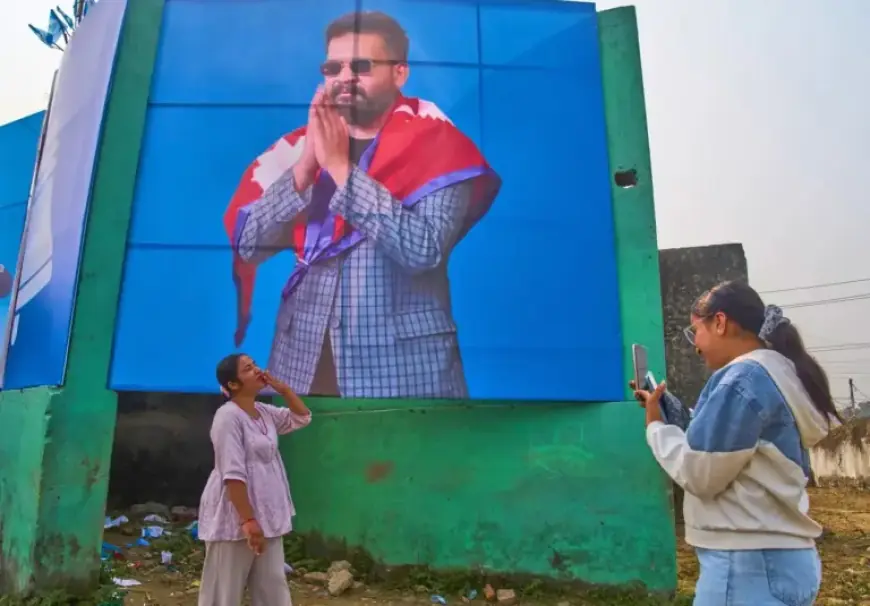
In a pivotal election for Nepal’s next prime minister, a former rapper is capturing nationwide attention. Balendra Shah, at just 35 years old, is revolutionizing the political landscape. He first gained prominence by winning the mayoral race in Kathmandu in 2022, breaking away from established political norms.
Balendra Shah’s Political Journey
Shah’s rise to fame is rooted in his unique background. He disrupted traditional political dynamics during a youth-led uprising in September, which resulted in the fall of the previous government. Until January, he served as the mayor of Kathmandu, where he made headlines for his bold decisions.
National Independent Party
Shah is currently running for prime minister under the banner of the National Independent Party (NIP). This new party offers an alternative to the two dominant political factions in Nepal. His primary rivals are:
- Gagan Thapa – The leader of the Nepali Congress party, focusing on anti-corruption and enhancing government accountability.
- Khadga Prasad Oli – Former Prime Minister and head of the Communist Party of Nepal (Unified Marxist–Leninist), advocating for political stability and continuity.
Support and Criticism
Shah’s supporters view him as a forerunner in this election. They believe his youthful energy and fresh perspective are crucial for change in Nepal’s political framework. According to supporter Tulasi Devi Shrestha, “I have seen many politicians come and go, but I love his energy and I am hopeful that he will bring some change.”
However, his critics remain skeptical. Some argue that his limited experience, especially during his tenure as mayor, raises concerns about his governance capabilities. Local resident Loken Upadhaya remarked on Shah’s harsh measures against the poor, particularly criticizing his approach to urban development.
From Music to Politics
Before his political career, Balendra Shah was known as a rap artist. He used his music to address social issues, which resonated with many young Nepalese. His transition from music to politics emphasizes a generational shift, appealing to a demographic that longs for change.
As the electoral campaign unfolds, all eyes will be on how well Shah can translate his popularity into political success. The electoral outcome may redefine the future of Nepal’s political landscape, heavily influenced by the voices of its younger citizens.