

























when does the time change in 2026 — the exact dates, times, and what to expect

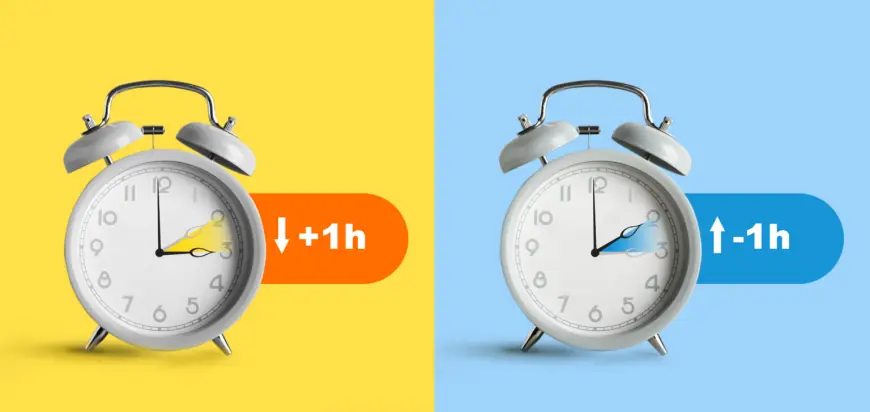
If you’re asking when does the time change, the next major switch for most Americans is Sunday, March 8, 2026, when clocks spring forward by one hour. In the U.S., the change happens at 2:00 a.m. local time—meaning 2:00 a.m. ET for the Eastern Time zone, when clocks jump to 3:00 a.m. The next change after that is Sunday, November 1, 2026, when clocks fall back at 2:00 a.m. local time, returning to 1:00 a.m.
Those are the mechanics. The real-world impact is the familiar one: a darker morning right after the March switch, a brighter evening for months, and then an earlier sunset again after the November rollback. And because time-change rules differ by country—and even within the U.S.—the “right” answer depends on where you live and whether your region observes daylight saving time at all.
When does the time change in the US?
For 2026, the U.S. follows the standard pattern: daylight saving time begins on the second Sunday in March and ends on the first Sunday in November.
-
Spring forward: Sunday, March 8, 2026, at 2:00 a.m. local time (clocks advance to 3:00 a.m.)
-
Fall back: Sunday, November 1, 2026, at 2:00 a.m. local time (clocks return to 1:00 a.m.)
Most of the U.S. changes together, but not all of it. Hawaii does not observe daylight saving time, and most of Arizona stays on standard time year-round (with the Navajo Nation as a notable exception). That patchwork is why flight times, live events, and broadcast schedules can look “off” if you’re comparing across states during the transition weekends.
The March switch is also the one that tends to produce the most confusion: appointments scheduled around 2:00 a.m. can effectively disappear, overnight workers may see timekeeping rules change mid-shift, and anything automated—from smart thermostats to calendar integrations—either saves you or betrays you depending on how well it’s configured.
When does the time change in Europe?
Europe’s clock change does not line up with the U.S. In 2026, most European countries shift to summer time on Sunday, March 29, 2026. The change is coordinated across time zones, which is why it’s often described in a universal reference time, but for daily life the key point is simple: Europe springs forward later than North America in March.
In the United Kingdom, the clocks go forward on Sunday, March 29, 2026, and go back on Sunday, October 25, 2026. That gap between North America’s March 8 switch and Europe’s March 29 switch creates a short window every spring where the usual time difference between cities on opposite sides of the Atlantic temporarily changes. For international meetings, that’s the week where “same time as always” suddenly isn’t.
When does the time change in Egypt?
Egypt also uses a different schedule. In 2026, Egypt’s daylight saving time begins on Friday, April 24, 2026, with clocks moving forward by one hour at midnight local time. It ends on Friday, October 30, 2026, when clocks move back by one hour at midnight local time.
That timing matters for anyone juggling work across regions—especially because Egypt’s switch comes weeks after the U.S. and Europe have already moved. It’s another period where familiar time offsets shift, and calendar habits can get you in trouble if you’re relying on memory instead of checking the date.
The real impact of the time change
The practical consequences of “spring forward” are immediate and oddly predictable: many people sleep less that night, and the first workweek afterward can feel sharper-edged. The downstream effects aren’t just grogginess. Commutes shift into darker mornings, early school start times feel harsher, and accident risk tends to be a talking point because human bodies don’t adjust instantly to a one-hour jolt.
The “fall back” switch is easier emotionally—people like the extra hour of sleep—but it brings earlier darkness, which can affect evening routines, retail foot traffic, and outdoor activity. That’s why the time change debate never fully disappears: the policy question isn’t only whether switching is annoying, but whether society prefers lighter mornings or lighter evenings—and which tradeoffs are worth institutionalizing.
Politically, proposals to end the switching tend to stall not because anyone loves changing clocks, but because stakeholders disagree on the alternative. Some industries favor later evening daylight; many sleep researchers favor standard time. Schools and parents often care about morning light. Transportation, broadcasting, and cross-border commerce care about synchronization. It’s a tug-of-war over whose “normal” wins.
For now, the best approach is operational: assume the switch will happen, and treat that weekend like a small systems test. Confirm your phone updates automatically, check older appliances, and if you have early travel on Sunday, March 8, 2026, build in extra margin—because the hour you lose has a way of showing up at the airport.