

























Jamaica Hurricane Melissa Update: Name Retired, Damage Hits $12.2 Billion

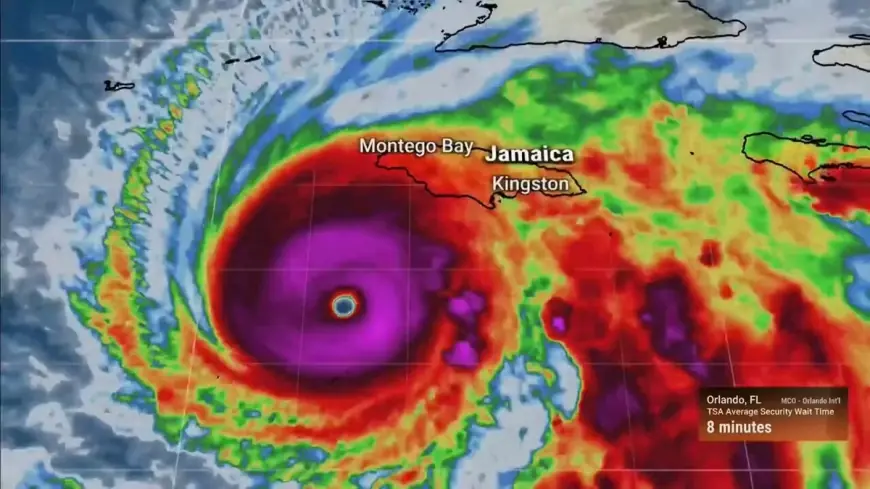
Hurricane Melissa is still dominating headlines four months after striking Jamaica — and the latest numbers are staggering. The name was officially retired this week, the damage total just got revised dramatically upward, and the storm has now been confirmed as one of the most powerful Atlantic hurricanes ever recorded. Here is the full Jamaica Hurricane Melissa update today.
Hurricane Melissa Name Officially Retired by WMO
There will never be another Hurricane Melissa. The World Meteorological Organization's Hurricane Committee formally retired the name from its rotating list on March 4, 2026, citing the death and destruction the storm caused in the Caribbean in October 2025.
Melissa was the 100th Atlantic tropical cyclone name ever to be retired. It will be replaced on the 2031 season list by the name Molly.
WMO Secretary-General Celeste Saulo acknowledged the scale of the recovery ahead but noted that loss of life was in the dozens rather than thousands — a direct result of accurate advance forecasts and early warning systems that prompted early action across the region.
Jamaica Hurricane Melissa Damage Now Estimated at $12.2 Billion
The Planning Institute of Jamaica has placed total damage, losses, and associated costs from Hurricane Melissa at nearly $2 trillion Jamaican dollars — equivalent to approximately $12.2 billion USD. This figure represents 56.7 percent of Jamaica's entire GDP in 2024 and is more than four times the damage caused by Hurricane Gilbert in 1988, which was previously the costliest hurricane in Jamaica's history.
Melissa caused severe damage across six of the most affected parishes — Westmoreland, St. Elizabeth, St. James, St. Ann, Trelawny, and Manchester — triggering widespread cross-sector disruption to lives and livelihoods.
The Most Powerful Hurricane Ever to Strike Jamaica
Post-season analysis by the National Hurricane Center confirmed Hurricane Melissa reached peak sustained winds of 190 mph — tying Hurricane Allen from 1980 as the strongest Atlantic hurricane ever recorded by maximum sustained wind. Melissa made landfall in Jamaica with 185 mph sustained winds, tying the record for the strongest landfalling Atlantic hurricane alongside Hurricane Dorian and the 1935 Labor Day hurricane.
A dropsonde instrument deployed by a NOAA Hurricane Hunter aircraft measured a wind gust of 252 mph during Melissa's peak intensity — the highest wind speed ever recorded by such an instrument anywhere on Earth. Melissa also dropped up to 35 inches of rain in Jamaica and produced a storm surge of 7 to 11 feet above normally dry ground near the Black River landfall zone.
Death Toll and Destruction Across the Caribbean
In total, 95 deaths were attributed to Hurricane Melissa — 45 in Jamaica, 43 in Haiti, 4 in the Dominican Republic, and 1 in Cuba. Approximately 150,000 structures were damaged, with roofs torn off around 120,000 of them and 24,000 buildings totaled. Of 1,010 public schools in Jamaica, 721 were damaged and 160 remained closed six weeks after the storm.
Much of Montego Bay flooded, including the city port, industrial park, and the terminal of Sangster International Airport, where much of the ceiling collapsed. The town of Falmouth was described as "all but destroyed." Between 40 and 50 percent of hotels across Jamaica sustained damage from the storm.
Jamaica Hurricane Melissa Recovery: Where Things Stand Now
As of March 2026, the U.S. CDC warns that travel by land in Jamaica may be dangerous in flood zones and that healthcare infrastructure remains damaged in affected areas. There is an elevated risk of waterborne diseases including leptospirosis, as well as vector-borne and fungal illnesses.
As of late January 2026, humanitarian organization Direct Relief had delivered more than 25 shipments of medicines and medical supplies valued at over $10.9 million to 13 organizations operating in Jamaica, Haiti, Cuba, and the Dominican Republic.
The Jamaican government issued a six-month mortgage moratorium covering 20,000 properties and allocated funding toward housing reconstruction. The Jamaican National Housing Trust purchased 5,000 container homes for distribution, with officials prioritizing the restoration of power to Montego Bay to restart the tourism economy in undamaged hotels.