























Soleimani warship claim as US moves to insure Gulf shipping

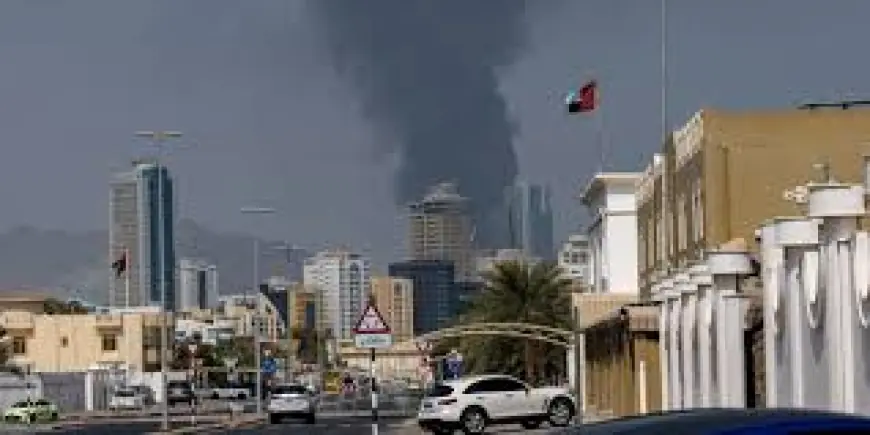
President Trump said the United States would provide political risk insurance for maritime trade and that the US navy could begin escorting oil tankers through the Strait of Hormuz, after a campaign of strikes and naval losses that has disrupted energy exports and pushed crude prices higher. The move came amid claims that a US action sank Iran’s so-called "Soleimani" warship and after the US military has said it destroyed multiple Iranian vessels.
US to insure Gulf shipping
The president said he had ordered the US international Development Finance Corporation to provide political risk insurance and financial guarantees for maritime trade in the Gulf, and flagged the possibility of navy escorts for tankers. The DFC was launched in 2019 and partners with private investors on projects in developing countries. Ship owners and analysts remained uncertain that military escorts and DFC backstopping would be enough to stop rising energy prices.
Soleimani warship claim surfaces
A public claim stated that the US sank Iran’s "Soleimani" warship. Separately, US military statements said the first 24 hours of operations in Iran were nearly double the scale of the first day of the 2003 campaign in Iraq and that nearly 2, 000 targets had been struck. The commander of US Central Command said US forces had destroyed 17 Iranian ships, including a submarine.
How soleimani affects oil flows
Market disruption followed strikes and attacks that have interrupted Middle East tanker shipments and halted energy exports from the region. Tehran’s actions included attacks on ships and energy facilities and closing navigation in the Gulf, which forced production stoppages from some nearby suppliers. Global crude prices spiked as a result; equities also reacted, with the Nikkei down around 1. 7% in early trading and the Kospi having fallen 7. 2% then a further 3. 1% at the open, while Wall Street looked set to open flat in New York in pre-market trading.
Analysis and what could come next
The combination of military damage to Iranian naval assets and Washington’s twin financial and military steps is aimed at preventing further disruption to global energy flows. If attacks that close Gulf navigation and halt exports continue, elevated crude prices and market volatility may persist. Conversely, if navy escorts reduce attacks on tankers and the DFC’s insurance eases shipowner concerns, pressure on freight and insurance markets could ease — though uncertainty among ship owners and analysts about the sufficiency of those measures remains.
- US ordered political risk insurance for Gulf maritime trade and flagged navy escorts.
- US military statements described destruction of 17 Iranian ships and strikes on nearly 2, 000 targets.
- Claims were made that the US sank Iran’s "Soleimani" warship; market disruption followed.