

























Iran Conflict Disrupts Middle East Flights: Essential Traveler Info

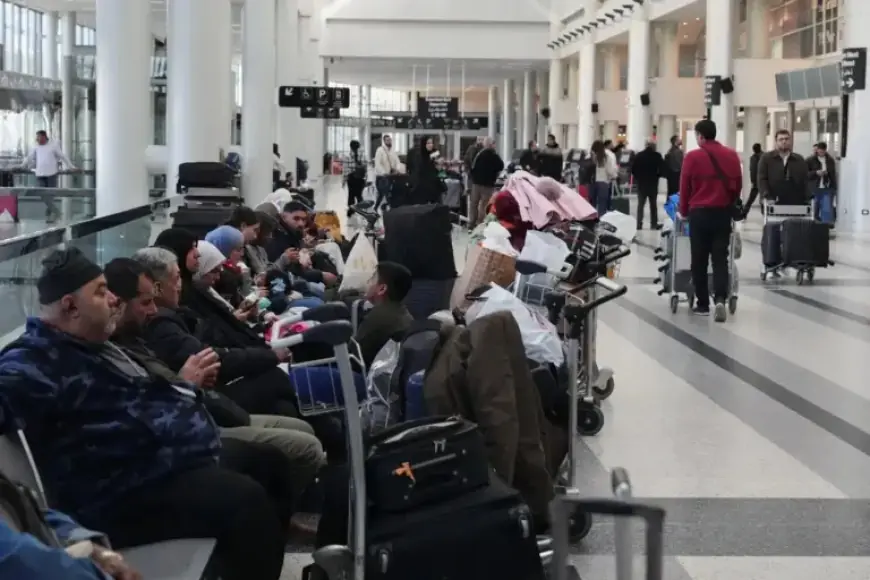
The ongoing conflict between the U.S. and Israel in Iran has caused significant disruptions to air travel throughout the Middle East, impacting countless travelers. As hostilities escalate, experts warn of continued flight cancellations and route changes, leading to global travel ramifications.
Impact of the Iran Conflict on Travel
Airspace closures in the region are forcing many airlines to cancel flights or opt for longer, more costly routes. This situation is expected to affect operating costs and ticket prices, which may rise if the conflict persists. Travelers are advised to be cautious with their plans.
Traveler Recommendations
- Postpone non-essential travel whenever possible.
- Review refund and insurance policies to understand options.
- Keep abreast of safety advisories and updates.
Hassan Shahidi, president and CEO of the Flight Safety Foundation, emphasized the unpredictable nature of travel in a conflict zone. Travelers should expect shifting guidance from airlines, airports, and governments, sometimes changing by the hour.
Safety Advisories
Since the conflict escalated, Iran has reported a significant number of casualties. Travelers are urged to heed government advisories regarding safety and exit strategies. The U.S. State Department has recommended that all American citizens in Iran, Israel, and surrounding countries consider leaving via commercial transport.
- Countries like China, Italy, France, and Germany are also facilitating evacuations for their citizens.
- Travelers should continuously monitor advisories from their respective governments and embassies.
Airline Responses
Major airlines, including Etihad Airways, Emirates, and Qatar Airways, have suspended certain routes due to airspace issues. While many airlines are offering flexible rebooking options, travelers must check specific policies. Reading the fine print regarding refunds and insurance is critical.
Travel insurance may cover delays but often excludes situations classified as acts of war. This limitation is essential for travelers to understand when purchasing coverage.
Cost Changes and Flight Availability
As airlines reroute flights, travelers should prepare for longer journeys and potential fare increases. Airlines incur additional costs due to longer distances and overflight fees, which may be passed on to consumers.
- Reported ticket prices have surged due to cancellations and limited availability.
- Current fuel prices also affect airline operating costs significantly, potentially driving up ticket prices further.
Many routes are already sold out or have high last-minute fares. Although travelers booking future trips may find lower prices, conditions are volatile. If the conflict continues to escalate, significant price changes could occur at any time.
In summary, the Iran conflict has disrupted air travel across the Middle East. Essential traveler information, including safety advisories, changes in airline operations, and fare fluctuations, is crucial for anyone planning to travel in this period of uncertainty.