
























Fuel Stations Across New York City Fail Octane Tests, 1,135 Pumps Shut Off

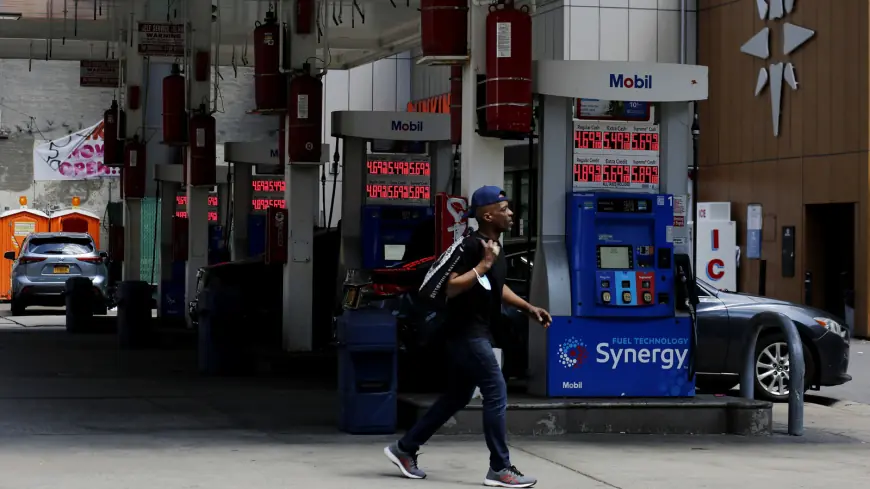
Inspections of fuel stations across New York City found widespread problems: investigators checked 729 stations between 2023 and 2025 and judged 702 of them to have failed on octane, mid-grade blends or signage, a 96% failure rate.
Fuel Stations pulled from service after octane mismatches
Failed octane sample testing led the list of violations and triggered the shutdown of 1, 135 individual gas pumps until station operators fixed the problems. Inspectors also flagged bad diesel and incorrect price displays as separate infractions. The city's Department of Consumer and Worker Protection said, "Conducting honest business isn't a suggestion — it's the law. "
How inspectors test pumps and underground tanks
Investigators inspect stations at least once a year and can arrive any time a station is open; owners must produce delivery paperwork, tank level records and other documentation for comparison to monitored systems. Inspectors drive trucks equipped with a testing lab built directly into the bed and carry cans, containers and weights and measures. For a pump check, they pump five gallons into a container and compare the sample to the pump readout; if the numbers don't match, the pump is turned off immediately.
To verify octane labels, inspectors fill a can with slightly less than one gallon from each pump, apply a barcode and send the samples to a state-approved testing lab in New Jersey every few weeks. Those samples are tested blind; a mismatch between tested octane and the pump label results in that pump being taken out of service and can lead to fines.
What drivers and mechanics are saying
Master mechanic and CUNY adjunct professor Mike Porcelli warned that putting the wrong gasoline into an engine can "cause premature wear" and could even "blow the engine apart. " Drivers who rely on high-compression or turbocharged engines can see knock and damage when lower-octane fuel is used in place of advertised premium gas.
Inspectors found the bulk of the failures in octane testing, which suggests labeled grades did not match what pumps were dispensing; when that happens at scale, individual drivers pay more for fuel that does not meet the advertised octane level. The enforcement action used—shutting pumps until issues are corrected—removes the offending product from sale immediately and leaves owners responsible for proving fixes and compliance.
Stations are required to maintain digital monitoring systems for their large underground tanks; those systems are inspected and cross-checked with the paperwork owners must supply showing delivery dates, who delivered the fuel and tank levels before and after delivery. The DCWP also has the authority to fine operators who violate consumer protection laws.
Inspections of these fuel stations are recurring: the city conducts annual checks and investigators may return as needed. Until owners resolve identified problems and pumps are reverified, the affected pumps remain out of service and could be subject to fines under city enforcement procedures.