























Ecuador President Noboa Imposes Nightly Curfew in Four Provinces Amid Expanded U.S. Security Cooperation

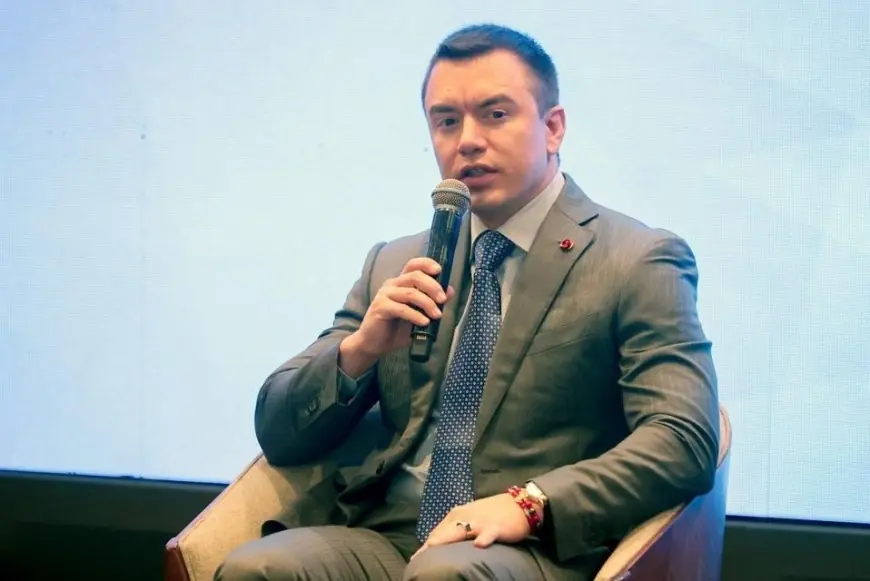
President Daniel Noboa announced a nightly curfew affecting four provinces of Ecuador from March 15 to 31, part of an intensified phase of military and police operations aimed at organized crime. The temporary restriction, and pledges of new equipment and institutional support, follow meetings in Quito with senior U. S. military leaders on enhancing joint operations against transnational criminal networks.
Ecuador curfew: scope, hours and local targets
The curfew will run from 11 p. m. to 5 a. m. in Guayas, Los Ríos, Santo Domingo de los Tsáchilas and El Oro, Interior Minister John Reimberg announced, noting the measure is intended to protect communities affected by drug trafficking, illegal mining and gang violence. The order applies during the two-week window from March 15 through March 31; Ecuador comprises 24 provinces in total.
At a ceremony in Quito for 328 newly commissioned police sub-lieutenants, Noboa framed the curfew as part of a broader national security strategy to restore order in neighborhoods hit by organized crime. He pledged additional weapons, technology and institutional support for security forces and said security units will concentrate efforts on areas tied to illicit mining and narcotics trafficking.
Interior Minister Reimberg emphasized the government’s posture, instructing residents to stay home during curfew hours and declaring, "We are at war. We are taking decisive steps in the fight against drug trafficking and criminal groups. " The administration did not immediately provide details on enforcement mechanisms or potential exemptions under the curfew, leaving operational questions about checkpoints, patrol numbers and legal exemptions unresolved for now.
U. S. Southern Command engagement and joint operations
The curfew announcement came days after Noboa met in Quito with Gen. Francis L. Donovan, head of the U. S. Southern Command, and Rear Adm. Mark A. Schafer to discuss expanded cooperation in security and joint operations. Government officials framed the talks as addressing stepped-up collaboration against transnational criminal networks that exploit regional routes for cocaine trafficking from neighboring countries to markets abroad.
Officials have linked the surge in violence to rival gangs contesting control of drug routes and logistics corridors, particularly along the Pacific coast. What makes this notable is the convergence of a short-term domestic security measure—a nightly curfew—and explicit engagement with U. S. military leadership, signaling a coordinated, multi-layered response that pairs local law enforcement expansion with international operational support.
As part of the declared strategy, the president’s office said security forces will target zones associated with illegal mining and narcotics operations. The combined approach aims to disrupt the criminal groups’ control over trafficking corridors and logistics hubs, with the immediate effect of concentrating patrols and operations in the four named provinces during the curfew window. Long-term outcomes will depend on implementation details that the government has yet to specify.
The government’s actions reflect a clear cause-and-effect rationale: a rise in gang violence and drug-trafficking activity has prompted emergency measures intended to protect communities and reassert state control. Whether the curfew and enhanced cooperation with U. S. military leaders will materially reduce violence or dislodge organized criminal networks will hinge on enforcement strategy, resource deployment, and coordination between Ecuador’s police, military units and international partners.