























India’s Holika Dahan and Korea’s Daeboreum Align on Full Moon in 2026

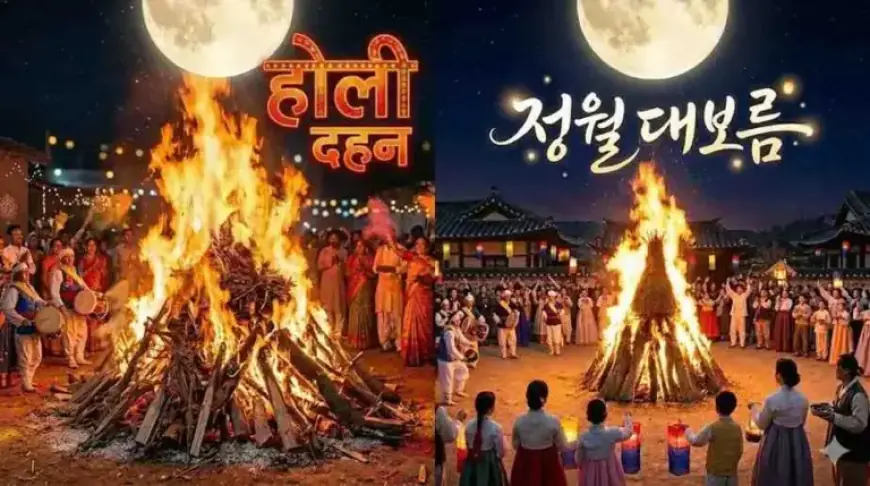
In an extraordinary convergence of tradition and culture, India’s Holika Dahan and Korea’s Jeongwol Daeboreum will be celebrated on the same date: March 3, 2026. Both festivals are tied to the first major full moon of the season, highlighting shared cultural themes despite their geographical separation.
Significance of the Date
March 3, 2026, is noteworthy as it marks the Purnima (full moon) tithi, which spans from the evening of March 2 to March 3. Many observances and festivals are expected on this principal date.
Holika Dahan: A Celebration of Good Over Evil
In India, Holika Dahan signifies the triumph of good over evil. The celebration features community bonfires, where participants eagerly gather to perform rituals aimed at purifying their surroundings and warding off negativity.
Jeongwol Daeboreum: Welcoming the Full Moon
Korea’s Jeongwol Daeboreum, meaning “Great Full Moon of the first lunar month,” celebrates the first full moon with folk rituals that invoke health, prosperity, and a bountiful harvest. Events affiliated with Daeboreum will also unfold on March 3, including public fire and moon-viewing gatherings.
Similar Themes in Both Festivals
- Fire as a Symbol: Both Holika Dahan and Daeboreum feature fire as a central element. The bonfire at Holika Dahan serves as a purification ritual, while Daeboreum activities include communal fire festivals that celebrate renewal.
- Moon-Centric Timing: Holika Dahan aligns with the Phalguna Purnima, whereas Daeboreum is linked to the lunar calendar. Both traditions value the timing related to the phases of the moon.
- Prayers for Prosperity: Holika Dahan emphasizes overcoming negative forces, while Daeboreum rituals reflect hopes for health and stability in the upcoming months.
- Evolving Traditions: Despite their folk roots, both festivals continue to adapt, merging traditional rituals with modern celebrations.
Growing Cultural Ties Between India and Korea
The coinciding dates of Holika Dahan and Daeboreum strengthen cultural connections between India and Korea. With increasing interactions in education and the arts, this shared celebration highlights common human values and aspirations. Cities such as Delhi, Chennai, Bengaluru, Pune, and Hyderabad have vibrant Korean communities that can leverage this occasion for cultural exchange.
In conclusion, the alignment of Holika Dahan and Jeongwol Daeboreum on March 3, 2026, not only brings prominence to these festivals but also offers a platform for cultural dialogue, mutual understanding, and shared celebrations of hope and renewal.