

























Middle East Conflict Spurs European Gas Prices, Highlights Canada’s Potential

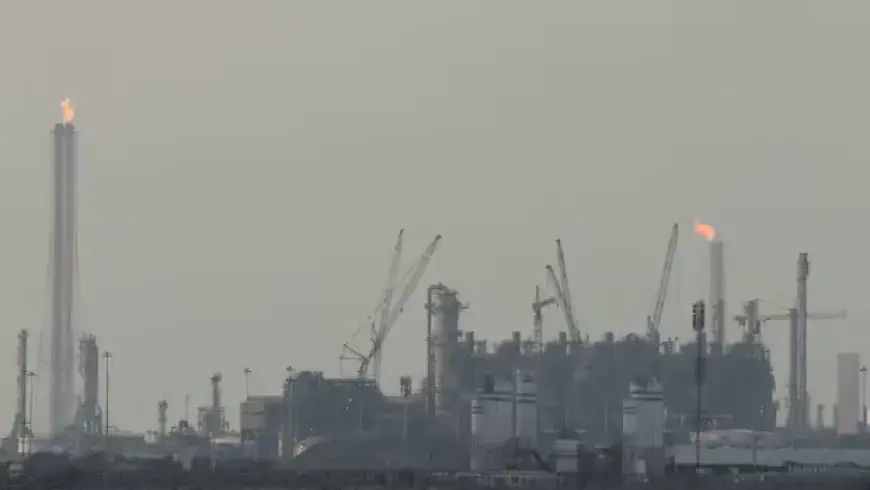
The ongoing conflict in the Middle East is significantly influencing natural gas prices in Europe and Asia. This situation opens new opportunities for Canada to enhance its role as a stable global energy supplier. However, economists suggest that immediate changes to the market dynamics are unlikely.
Surge in Gas Prices Due to Middle East Conflict
Since the escalation of hostilities involving the U.S. and Israel against Iran, natural gas prices in Europe have surged by nearly 70%. Simultaneously, prices in Northeast Asia have risen by approximately 50% during this period.
Market Reactions and Concerns
Energy economist Werner Antweiler from the University of British Columbia highlights the market’s anxiety over the unfolding situation. He remarked, “The markets are quite nervous about what will happen.” The instability has led to production halts at QatarEnergy, a leading liquefied natural gas (LNG) supplier, after attacks impacted its facilities.
- Gas prices in Europe: Increased by nearly 70%
- Gas prices in Northeast Asia: Increased by about 50%
- QatarEnergy: Halted production after facility strikes
Additionally, tanker traffic in the vital Strait of Hormuz has slowed, impacting approximately 20% of the world’s LNG supply. Antweiler noted that the situation may vary from a short-term issue to a prolonged crisis. “The markets are holding their breath here,” he stated.
The Long-Term View on Canadian LNG
Setting up liquefied natural gas plants requires substantial time and investment, generally supported by long-term agreements. This indicates that Canada’s current LNG facility in Kitimat, British Columbia—operated by Shell and several Asian partners—will not see immediate financial windfalls from the recent price increases.
Antweiler emphasized that investment decisions in the LNG sector typically involve long horizons, making it difficult to predict if the current conflict will lead to permanent changes in market outlook.
Canada’s Energy Potential
Despite the challenges, Gabriel Giguere, a senior policy analyst at the MEI think tank, claims that recent geopolitical developments have increased interest in Canadian energy resources. Giguere believes that Canada’s reliability as an energy producer positions it favorably among allies in Europe and Asia.
Previous reports from the think tank have suggested that Quebec has distinct advantages as a site for an LNG terminal aimed at European customers. This strategy aligns with Europe’s intent to decrease dependence on Russian energy supplies.
Transport Considerations
A proposed maritime route from eastern Quebec to northern France could reduce travel time by six days compared to alternatives from the Gulf of Mexico. However, Antweiler warns that pipeline infrastructure would be essential for this initiative, given that most of Canada’s gas production occurs in the western regions. “It’s just cheaper to pipe it to the United States and use their infrastructure,” he stated.
In summary, while the Middle East conflict has triggered a surge in natural gas prices and spotlighted Canada’s potential role in the global energy market, immediate changes in investment or supply dynamics are expected to be limited. The long-term effects will largely depend on how the situation unfolds in the region over the coming months or years.