






















Thunder Vs Bulls: How absences reshape Chicago’s rotation and the matchup at United Center

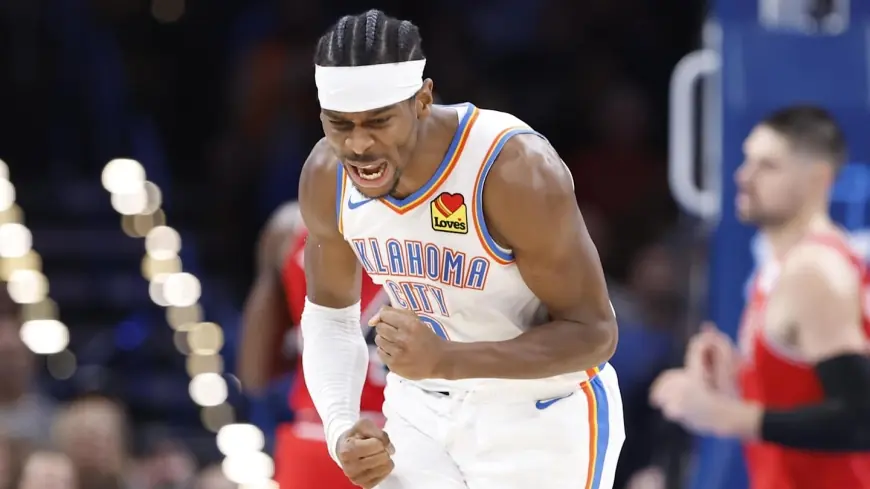
Who feels it first: The Bulls enter the game with multiple lineup questions, and in the thunder vs bulls matchup those gaps land squarely on Chicago’s depth and defensive reliability. With the Thunder set up as a defensive force and several Bulls pieces listed as out or limited, the immediate impact will be on minutes distribution, matchups and Chicago’s ability to sustain the ball movement that produced their recent breakout win.
Thunder Vs Bulls — immediate impact on rotation and on-court matchups
Here's the part that matters: losing bodies changes what the Bulls can do offensively and defensively. Chicago’s recent win that snapped an 11-game losing streak came with a balanced assist ledger and multiple contributors, but the final injury list narrows who can play those roles tonight. The Thunder, ranked at the top defensively and noted for shutting teams down, will pressure whoever steps into primary ball-handling and scoring minutes.
It’s easy to overlook, but the absence of certain frontcourt and rotation pieces forces coaching choices that tend to favor shorter bursts of offensive creativity rather than sustained, half-court sets—precisely the environment where a defense-first opponent can thrive.
Game specifics and the final injury picture
Game setting: the teams meet at United Center on March 3, 2026. Records are listed as Bulls (25-36) and Thunder (47-15). The final injury notes list Shai Gilgeous-Alexander as out (Abdominal), Isaiah Hartenstein out (Injury Management), and Noa Essengue out for the season (Shoulder). Those absences alter role assignments on both ends of the floor and are central to the matchup narrative.
The Thunder carry the NBA’s top defensive rating and have held teams to 107. 8 points per game; they most recently held the Mavericks to 87 points on 39. 0 percent shooting. For Chicago, the recent win over Milwaukee included a 33-8 fourth-quarter run, 34 assists, seven players in double figures, 48 bench points and 14 steals that forced 19 turnovers. Replicating that balance without some listed players will be the challenge.
The real question now is how the Bulls will redistribute minutes and which bench scorers will be asked to stretch their usage. With key opponents sidelined, the Thunder still present matchup problems through rim protection, on-ball defense and versatile wings.
- Bench and rotation clarity: the Bulls must replace minutes created by now-unavailable players while keeping the assist-driven motion intact.
- Defensive pressure: the Thunder’s top defensive rating means turnovers and poor shot quality will be punished.
- Scoring balance: Chicago’s recent game featured seven double-figure scorers; maintaining that spread with fewer available options is the practical test.
- Matchup consequences: absence of an interior presence changes rebounding assignments and pick-and-roll coverage for Chicago.
Key small timeline: Chicago’s win that ended an 11-game skid arrived after the February 5 trade deadline; the two teams meet March 3, 2026 at United Center.
Interactive prompt: If you’re wondering why this keeps coming up — the matchup impact isn’t just a single-player substitution. It shifts who initiates the offense, who defends the paint and where the Bulls must accept risk in late-shot possessions.
Final practical signals to watch in-game: whether Chicago can repeat a 34-assist performance and whether turnovers spike under the Thunder’s defensive schemes. Those on-court metrics will show whether the Bulls’ recent momentum can survive the absences listed on the final injury report.
Writer's aside: The bigger signal here is how quickly minutes and responsibilities can be reshuffled—teams that adjust without losing their identity tend to avoid collapse, while those that try to replace chemistry with volume often struggle.