






















Ayatollah Khamenei’s Son Emerges as Top Successor Candidate

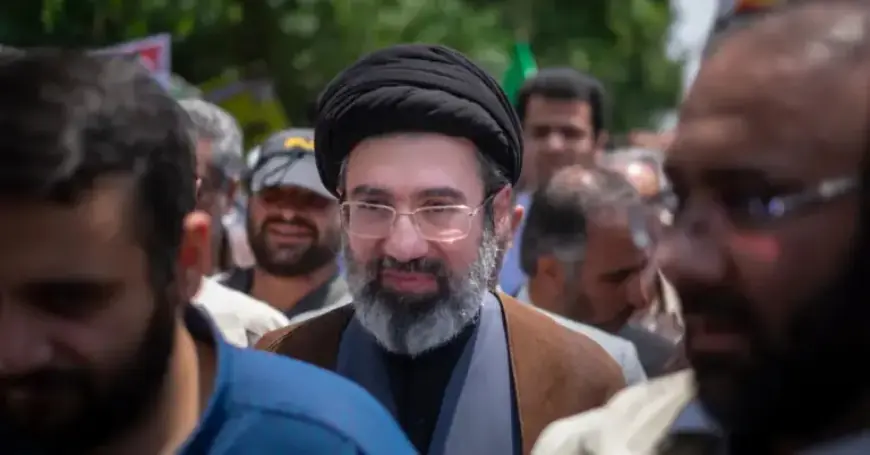
Amid intensified deliberations, the son of the late Ayatollah Ali Khamenei, Mojtaba Khamenei, has surfaced as a prominent successor candidate in Iran. The Assembly of Experts, a group of senior clerics, convened over the past few days to discuss potential leaders following the assassination of Ali Khamenei in U.S.-Israeli strikes. These meetings highlighted Mojtaba Khamenei’s potential rise as the next supreme leader.
Mojtaba Khamenei: A Front-Runner for Supreme Leader
Mojtaba Khamenei, 56, has maintained a reclusive profile but has significant influence within Iran’s political landscape. His emergence as a top candidate is viewed as a shift towards a more hard-line alignment within the ruling regime, particularly aligning him with the Iranian Revolutionary Guards.
- Name: Mojtaba Khamenei
- Age: 56
- Relationship: Son of former supreme leader Ayatollah Ali Khamenei
- Key Supporters: Iranian Revolutionary Guards
Concerns Over National Security
Sources indicate that there are concerns among the clerics about making a quick announcement regarding Mojtaba’s succession. Some members fear this move might make him a target for international adversaries, including the United States and Israel.
Influential Figures and Their Views
Vali Nasr, an expert on Iranian affairs, suggested that Mojtaba Khamenei would be an unexpected but telling choice for leadership. His possible appointment signifies a pivot towards extremism within Iran’s political framework. Others, like analyst Mehdi Rahmati, noted that Mojtaba’s experience in security and military roles positions him as a competent leader during the current crisis.
Public Reactions and Other Candidates
The public’s reaction to Mojtaba Khamenei’s potential rise is expected to be mixed. Supporters may rally around him, viewing him as a continuation of his father’s legacy, while critics may see him as epitomizing the repressive regime responsible for recent violence against protesters.
Additional potential candidates include:
- Alireza Arafi: Cleric and jurist, member of the transition council.
- Seyed Hassan Khomeini: Grandson of Ayatollah Ruhollah Khomeini, seen as a moderate.
The Assembly’s Role and Historical Context
The Assembly of Experts, comprised of 88 senior Shiite clerics, plays a crucial role in appointing and supervising the supreme leader, as established by the Iranian Constitution. This is the second instance in the history of the Islamic Republic where the Assembly will select a new leader since its inception in 1979.
As deliberations continue, the implications of Mojtaba Khamenei’s candidacy for the future of Iran’s governance structure and regional stability remain profound. His potential selection as the new supreme leader marks a significant juncture in the trajectory of Iran’s political landscape.