

























Israeli Troops Advance in Lebanon Amid Strikes in Tehran and Beirut; Trump Reacts

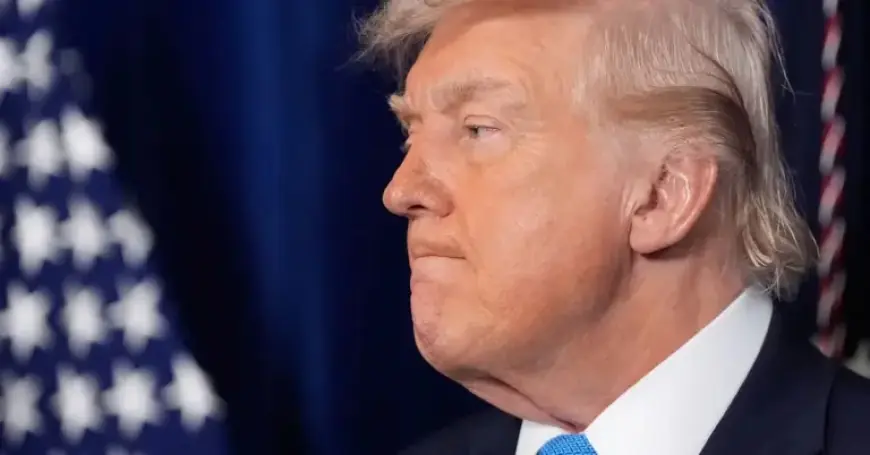
Recent developments highlight a significant military maneuver by Israel in southern Lebanon amid ongoing tensions in the region. Israel has begun to deploy troops, marking an extension of its military presence established following a 2024 ceasefire.
Israel’s Limited Troop Movement
This operation is not a full-scale invasion; rather, it constitutes the first ground troop movement since the latest war campaign commenced. The primary goal of this troop deployment is to secure the “buffer zone” and prevent the evacuation of northern Israeli villages, which has socio-economic implications for the country. The situation reflects a perceived reduction in the threat posed by Hezbollah, as noted by on-ground assessments in the town of Kiryat Shmona.
Situation in Kiryat Shmona
After being evacuated in 2024, Kiryat Shmona shows signs of revitalization. The Israeli military continues to carry out strikes against targets in southern Lebanon almost daily, demonstrating a persistent offensive strategy.
Hezbollah’s Response
- So far, Hezbollah’s counterattacks have been limited, with only about 11 impacts reported near Trump Heights in the Golan.
- One incident involved a house being struck in Kfar Uval, indicating some risk to civilian structures.
The intensity of Hezbollah’s responses appears subdued compared to previous conflicts, suggesting a strategic recalibration in their operational approach. A Lebanese military source reported redeployment among their forces to prevent direct clashes with Israeli troops.
Political Implications
This development has broader implications, as Israel’s actions may align with the Lebanese government’s aspirations for Hezbollah to disarm and cease its militancy. This scenario presents a critical juncture for Hezbollah, potentially leaving its fighters vulnerable to Israeli engagement.
In summary, Israel’s troop movement into southern Lebanon is both a strategic defense mechanism and a response to evolving regional dynamics. The outcome could reshape the military landscape and influence political relations within Lebanon.