

























Iran Conflict’s Impact: What it Means for Germany

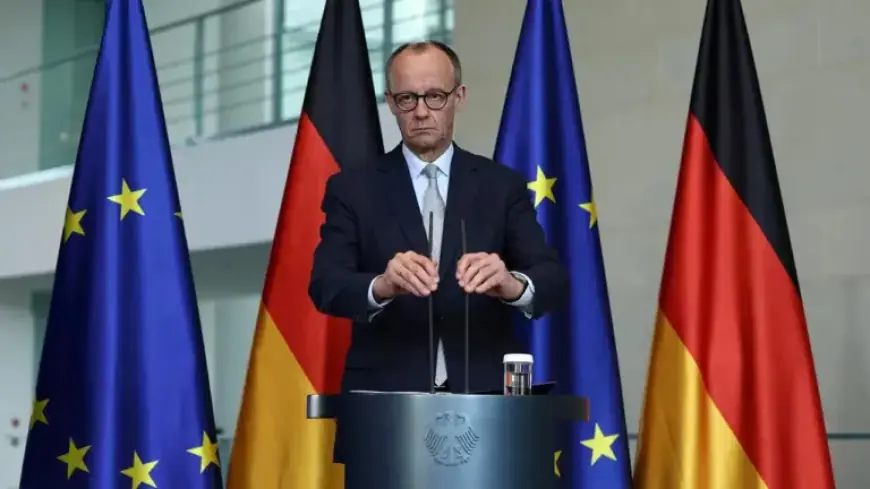
The ongoing conflict in Iran, marked by recent military actions from Israel and the United States, raises significant concerns regarding its ramifications for Germany. Chancellor Friedrich Merz faces a challenging landscape as he seeks to navigate these turbulent waters, particularly following his discussions with U.S. President Donald Trump.
Understanding the Iran Conflict’s Impact on Germany
The government of Germany stands on the sidelines as military tensions escalate in Iran. Chancellor Merz has emphasized the collapse of the existing international order, which previously relied on rules and rights. Speaking at the Munich Security Conference in February, he highlighted the shift towards a period defined by power politics.
Military Actions and Diplomatic Dilemmas
Germany was reportedly informed just before the U.S. and Israeli strikes began. However, this acknowledgment does little to enhance Merz’s ability to act effectively. He expressed skepticism about the effectiveness of international law in such scenarios, pointing out that previous efforts to uphold justice have largely fallen short.
- Military strikes noted as not a breach of international law.
- Merz emphasizes the importance of timing in military intervention.
Merz is cautious in approaching discussions with Trump, aiming to represent European interests without provoking backlash. He linked security and justice in the Middle East with demands for stability in Europe, reinforcing the interconnectedness of both issues.
Germany’s Diminishing Influence
The historical context reveals Germany’s waning influence in matters relating to Iran. In 2015, Germany played a crucial role in the Joint Comprehensive Plan of Action (JCPOA) alongside other world powers. However, the subsequent U.S. withdrawal under Trump marked a significant turning point, leaving Europe to grapple with the fallout.
- The E3 group—Germany, France, and the UK—now lacks the support of major powers.
- Recent statements indicate varied interpretations of their response to the conflict.
Concerns of Escalation and Regional Security
As the conflict unfolds, Germany faces heightened fears regarding potential terrorist activities. Intelligence agencies monitor threats, particularly to Jewish, Israeli, and U.S. facilities. Furthermore, the Bundeswehr, although limited in number in the region, faces risks from attacks on multinational bases in Iraq and Jordan.
Future Outlook
Chancellor Merz continues to communicate closely with allies while voicing concerns about the unpredictability of military interventions leading to significant changes in Iran. The lessons from conflicts in Afghanistan, Iraq, and Libya resonate as reminders of the real risks involved, suggesting that Germany must remain vigilant in navigating its role amidst uncertainty.
Ultimately, despite a desire for influence and stability, Germany’s position remains precarious, needing to balance diplomatic efforts with the pressing realities of ongoing military actions. The impact of the conflict in Iran is likely to resonate across Europe, compelling leaders to reassess their strategies moving forward.