
























Michael Jordan’s Antitrust Lawsuit Transforms NASCAR Landscape

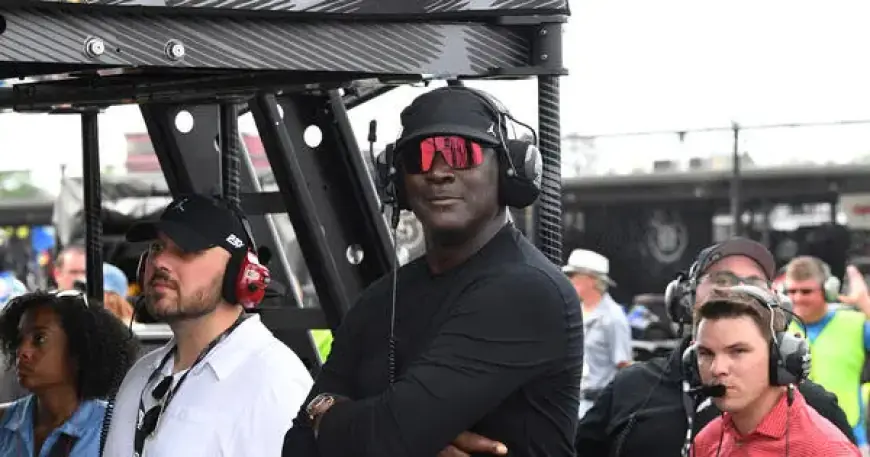
The recent antitrust lawsuit involving NBA legend Michael Jordan has significantly impacted the NASCAR landscape. The case revolves around allegations that NASCAR engaged in anticompetitive behaviors detrimental to stock car racing teams.
Understanding the Lawsuit
NASCAR has long governed the sport of stock car racing, organizing a series of races culminating in the Cup Series Championship. Central to this lawsuit is whether NASCAR’s actions harm independent racing teams who work under charter agreements that are set to expire in 2024.
- NASCAR offered team owners a deadline on an ultimatum: sign a new agreement or risk exclusion from the 2025 season.
- Signing required teams to waive their right to bring antitrust claims against NASCAR.
Allegations of Monopolistic Practices
The two teams opting not to sign, 23XI Racing—co-owned by Michael Jordan—and Front Row Motorsports, initiated the lawsuit. They claimed NASCAR monopolized race venues, controlled necessary technology for cars, and thereby restricted market opportunities for the teams.
Expert Testimony and Economic Analysis
The case drew expert testimony from Jeffrey Kessler, a noted antitrust litigator. The expert highlighted that NASCAR’s ownership of many venues and restrictive contracts created significant barriers to competition, essential for establishing a healthy racing landscape.
Challenges for New Competitors
Historically, entry into elite levels of sports is scarce. Unlike the NFL or NBA, where rival leagues emerged and thrived, NASCAR has witnessed no such competition in 70 years. This lack of competition raises concerns about sustainable growth for team owners and fan engagement.
Financial Implications of the Lawsuit
The damages claimed by the plaintiffs were substantial. Expert analyses showed that NASCAR allocated only a quarter of its league revenue to teams, compared to 45% in Formula One. This disparity highlighted potential damages amounting to $364.7 million for the teams involved.
- Damages encompassed two primary components: lost earnings during the three-year period and diminished market value of the teams.
- If successful, the plaintiffs stood to recover over $1 billion due to the potential treble damages principle in private antitrust cases.
The Settlement Outcome
The case reached a settlement on the ninth day of the trial. While specific terms remain undisclosed, the shift from time-limited charters to permanent ones stands out as a critical outcome. This change is expected to enhance sponsorship opportunities and stabilize team identities, benefiting both racing teams and fans.
Broader Implications for the Sport
Moreover, NASCAR’s commitment to increase payments to teams aligns with fostering a competitive environment, ultimately benefiting fans. The positive effects of increased competition can enhance the overall quality of the sport.
Conclusion
This high-profile antitrust lawsuit reflects a growing scrutiny of monopolistic practices across industries, including sports. It highlights the importance of equitable structures that allow for competition and ensures that the interests of both teams and fans are upheld.