
























Plane Crash Hudson River: Cessna 172 Makes Emergency Ice Landing Near Newburgh, Two Rescued

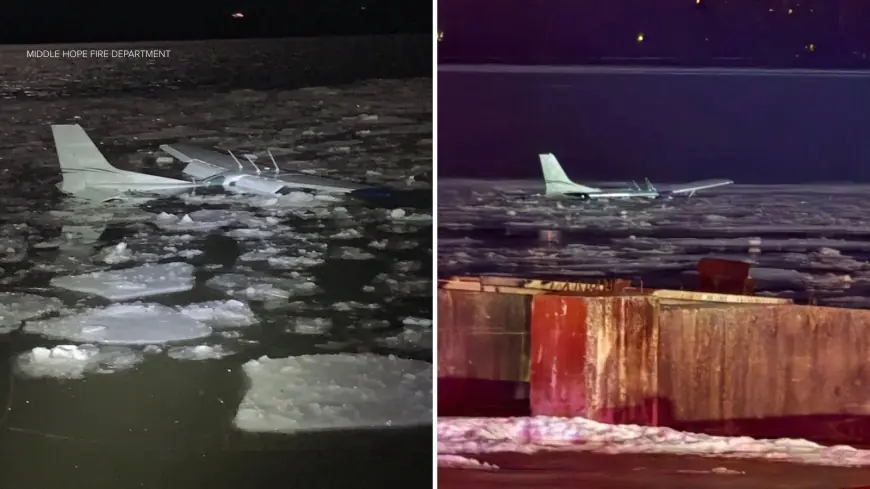
A small aircraft that came down on the Hudson River east of Stewart International Airport near Newburgh is being described in some headlines as a plane crash hudson river incident; both people on board were rescued and are expected to make a full recovery.
Plane Crash Hudson River: Landing, Location and Timeline
The aircraft, identified as a Cessna 172, performed what officials called an ice landing on the Hudson River east of New York Stewart International Airport in Orange County. The event occurred shortly after 8 p. m. in the Newburgh area, about 60 miles north of New York City. The situation has been framed around an emergency water landing on icy river conditions rather than a conventional runway arrival.
Details released by state and local officials note the plane touched down on the river surface near Newburgh. The characterization of this episode in some accounts has used the phrase plane crash hudson river; available statements emphasize the unusual nature of an ice landing rather than a high-casualty event.
Rescue, Injuries and Next Steps
First responders located the aircraft on the river and the two occupants — a pilot and a passenger — were able to escape the plane and swim to shore, Middle Hope Fire Department. Both individuals were evaluated at the scene before being transported to a hospital for further care.
Governor Kathy Hochul said both occupants sustained only minor injuries and are expected to make a full recovery. Emergency teams on scene coordinated the initial search and medical evaluation, and authorities have indicated the people involved will receive continued monitoring at the hospital.
What to Watch For
Officials have confirmed the type of aircraft and the broad outline of the rescue: a Cessna 172, an ice landing on the Hudson River east of Stewart International Airport, timely location by first responders, successful self-evacuation by the occupants and hospital evaluation with minor injuries. Investigative steps and any formal determination of cause have not been detailed in available statements. Updates may follow as agencies complete inspections and formal reports.
Readers should note that the characterization of the event uses language seen across immediate coverage, with emphasis on the successful rescue and the expectation of full recovery for both people involved.