























Paige Bueckers Voices Frustration as WNBA CBA Talks Reach a Critical March 10 Deadline; Players Weigh Strike Risk and Rev Share Gains

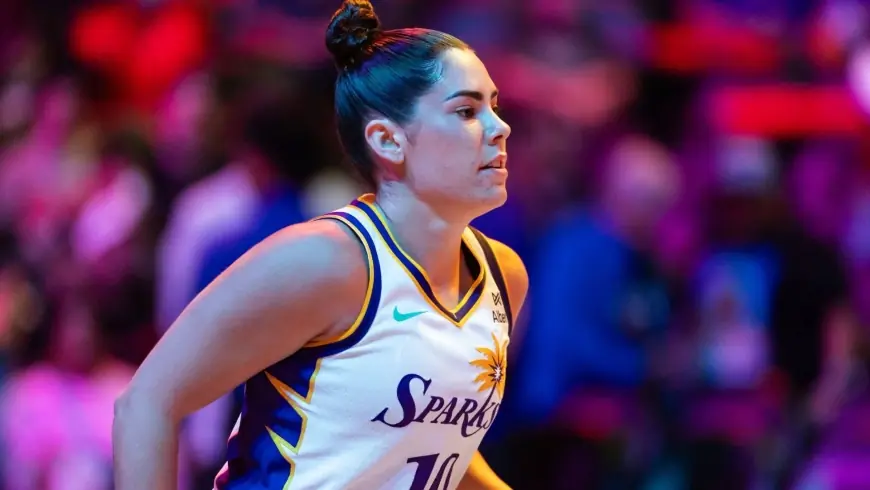
paige bueckers has added her voice to mounting player frustration over stalled WNBA collective bargaining agreement talks, saying the impasse has left the player group contemplating a strike even as some leaders describe recent revenue-share progress as a win. The standoff matters because the league has set a March 10 deadline after which the season could face delays, and the negotiating posture of key players now appears to be shifting.
Paige Bueckers: an increasingly urgent message
Paige Bueckers expressed frustration with the pace and direction of negotiations, suggesting that continued gridlock could leave strike action on the table. She emphasized that players do not want to lose a season and that most want to continue playing, but she framed the situation as one where sustained inaction may push the players’ association toward tougher choices.
Where talks stand: revenue sharing, salary cap and housing proposals
Negotiations have centered on the structure and percentage of revenue sharing. The player side has moved from an initial 40% ask to a reduced 26% of gross revenue over the life of a proposed deal. The league’s counterproposal, shaped around a net revenue model that would give players a share of profits after expenses, effectively amounts to less than 15% of gross revenue based on league projections. Both sides have shown willingness to align on a revenue-sharing system in principle but remain far apart on the precise percentage.
Salary terms have also shifted materially in the latest proposals. The league’s newest offer raises the salary cap to $5. 75 million—up from $5. 65 million in its previous offer—which would produce a substantial increase in average and maximum pay in the early years of the deal. Projections tied to that cap envision average player compensation rising markedly and maximum salaries climbing toward seven-figure territory in later years. At the same time, the supermax and standard max frameworks under discussion would set different multiplier thresholds tied to performance and awards.
Housing provisions are another contested element. The league’s proposal would provide team housing to all players in the first year of a deal but would narrow that benefit in subsequent years, reserving team-provided housing for developmental players, rookies and minimum-salary signings in later seasons under the offer on the table.
Player unity and the practical stakes
Union leaders have shown a more conciliatory public tone recently, with some executive committee members stressing a desire to play rather than strike. That shift contrasts with an earlier near-unanimous authorization of strike power by the union in December, indicating evolving perspectives within the player body. Some players now describe revenue sharing itself as a meaningful accomplishment even if other elements remain unresolved.
For players like paige bueckers, the calculus balances a desire to preserve the season against the need for structural changes that would improve pay, housing and earning opportunities for younger players. Negotiators on both sides continue discussions, but with the March 10 deadline looming, the window for resolution is narrowing and the risk of schedule disruption is significant.
What comes next
Both sides face a limited set of choices: close the remaining gaps and approve a deal before the deadline, or press forward with tougher bargaining stances that could threaten the planned opening of the season. A failure to reach agreement by March 10 could push back the scheduled start and complicate a season many players say they want to play. Recent movement on revenue sharing and salary figures suggests momentum in some areas, but final terms remain unsettled and subject to continued negotiation.
These talks remain a developing story, and details may evolve as discussions continue toward the deadline and potential ratification processes.