























Amateur Astronomer Explains When and Where to See Tuesday’s Blood Worm Moon

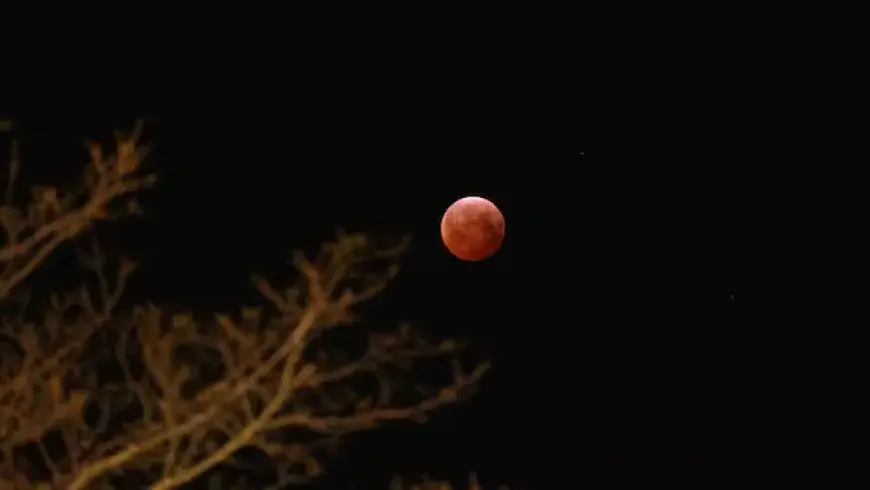
On Tuesday, residents of New Brunswick have a unique opportunity to witness a lunar eclipse, specifically a blood worm moon. The event is particularly suited for early risers who want to enjoy this celestial phenomenon.
Details of the Lunar Eclipse
Amateur astronomer C.J. Bernard from Neqotkuk, also known as Tobique First Nation, emphasizes the rarity of this eclipse. Unique to this event is a phenomenon called selenelion, which allows observers to see both the moon and the rising sun simultaneously. Bernard explains, “The atmosphere bends the light just enough to keep the moon hanging a little longer.”
Eclipse Phases and Timing
- Start of the Eclipse: The penumbral phase begins at approximately 4:44 a.m.
- Visibility of Change: By around 5:50 a.m., the moon will dim and acquire a reddish hue.
- Maximum Viewing Time: The most favorable moment to view the eclipse in New Brunswick is close to 6:57 a.m.
During this time, the eclipse will reach its local maximum, with the moon still above the horizon, making it an ideal viewing opportunity. Residents located west of Fredericton will have a clearer view. Bernard advises, “You’re going to want a clear view of the west; hills are good, trees are not.”
Understanding the Blood Worm Moon
While some areas of Canada, like Vancouver, will experience totality, New Brunswick residents will not. However, they can still witness the blood moon effect, which may resemble a “burnt chocolate chip cookie.” The term “blood worm moon” comes from March being the month associated with worm moons.
Future Lunar Events
According to TimeandDate, New Brunswick residents will not witness the totality of a lunar eclipse until June 2029. However, previously, in April 2024, they experienced a total solar eclipse, which required specialized glasses for safe viewing. In contrast, lunar eclipses can be safely observed with the naked eye.
Weather conditions could impact the visibility of the eclipse, particularly if cloud cover becomes an issue. Observers are encouraged to monitor the sky and make adjustments to their viewing location if necessary.