

























State Department Travel Advisory Urges Americans to Leave 15 Middle East Countries as Strikes Escalate

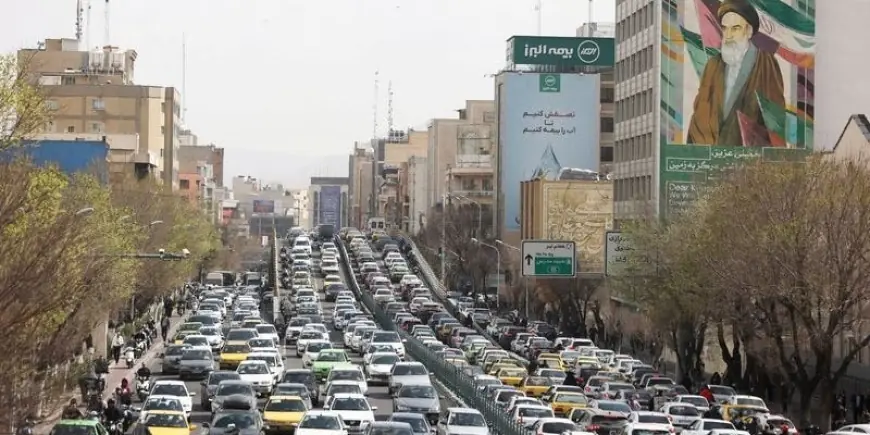
State Department Travel Advisory guidance has urged Americans to immediately depart more than a dozen Middle Eastern countries as US and Israeli strikes against Iran intensify. The advisory matters for hundreds of thousands of travelers facing airspace disruptions, shelter-in-place orders and evolving security threats across the region.
State Department Travel Advisory: countries named and evacuation guidance
The advisory lists 15 Middle Eastern locations where US citizens were urged to use commercial means to depart: Bahrain, Egypt, Iran, Iraq, Israel, the West Bank, Gaza, Jordan, Kuwait, Lebanon, Oman, Qatar, Saudi Arabia, Syria, the United Arab Emirates and Yemen. The evacuation message emphasizes immediate departure options rather than waiting for government-facilitated transport.
Wider travel disruption has accompanied the advisory. Airspace over some of the region's busiest international hubs closed over the weekend, leaving many travelers stranded. Authorities additionally warned residents in several cities to seek shelter amid new waves of missile and drone activity tied to the escalating military campaign.
Shelter-in-place alerts, consular assistance and practical steps for Americans
Alongside the evacuation directive, US citizens in multiple countries were advised to shelter in place or limit movement. Shelter-in-place directives were issued for Iran, Jordan, the United Arab Emirates and Qatar; advisories for Iraq and Kuwait were extended later, and US citizens in Lebanon were told to prepare to shelter in place should conditions deteriorate. Local advisories have varied by city and have been adjusted as threats emerged.
Practical steps highlighted for Americans in the region include enrolling in the State Department's traveler registration system to receive security alerts and following official security update channels for real-time notices. Consular assistance remains available by phone through the department's 24/7 lines for overseas callers and for those calling from the United States and Canada.
Why the advisory was issued and immediate implications
The travel advisory was issued amid a broader military campaign in which the US and allied forces have launched strikes against Iran and in which Israeli forces have also conducted operations linked to Tehran and locations beyond Iran's borders. Military actions in the region produced warnings for residents in several urban areas and prompted evacuation notices in some Iranian localities.
The advisory's immediate implications are operational and humanitarian: travelers face closed airspace and strained commercial routes, while Americans remaining on the ground may encounter heightened risk of indirect effects from missile, drone or rocket activity. Officials emphasized that hotels and other civilian locations can be at risk in some areas and advised extra caution.
What Americans should do now
- Follow the State Department Travel Advisory alerts and enroll in traveler registration for real-time updates.
- If able, use available commercial transportation to depart the named countries promptly.
- Where shelter-in-place orders are in effect, stay indoors, keep a low profile and limit non-essential movement.
- Contact the department's consular assistance lines for 24/7 help with emergencies and evacuation questions.
Recent updates indicate the situation remains fluid and may evolve rapidly. Travelers should treat advisories as active guidance and prepare for further changes to travel options and local security conditions.