























Strait Of Hormuz Closed: How a Blocked Choke Point Could Reshape Global Oil Flows and Military Calculus

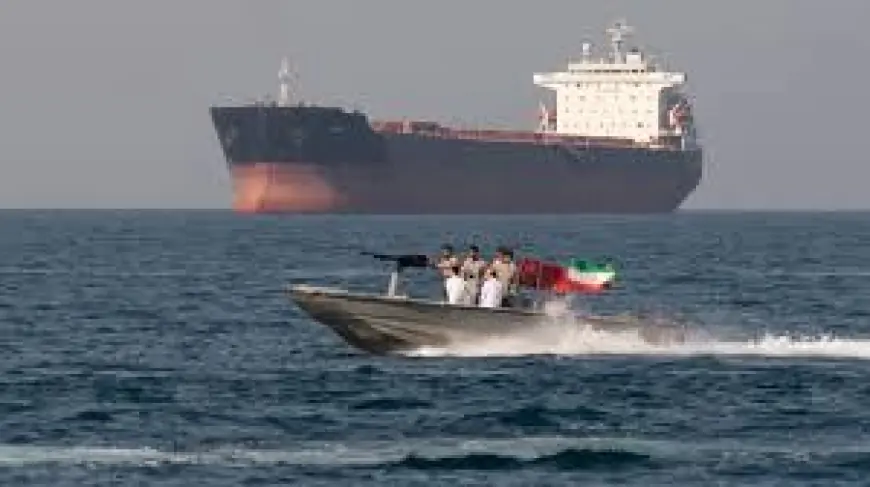
The announcement that the strait of hormuz closed matters because it immediately transforms a regional military confrontation into a potential global economic shock. Closing the route — and warning that any vessel attempting passage will be set on fire — risks choking roughly one-fifth of oil exports and forcing reroutes, delays, and higher insurance and fuel costs across global shipping networks. The near-term question is how long commercial traffic can be diverted before economic pain compounds.
Strait Of Hormuz Closed — Consequences for shipping, energy and escalation
Blocking the strait would cut direct access between major Gulf oil producers and the Gulf of Oman, constraining the most vital export route used by several Gulf states. Immediate consequences include stranded tankers, damage or loss for ships that attempt transit under threat, and a rapid change in market expectation for oil supplies that the public commentary says could send prices sharply higher. Beyond markets, the closure raises operational and legal dilemmas for navies and commercial fleets operating in the area.
Here's the part that matters: a sustained shutdown of that waterway would ripple into global refining, trade schedules and energy security planning for states dependent on Gulf crude, even before any formal embargoes are considered.
- Implications: A single choke point is being used as leverage; shipping lanes and transit insurance will be affected, and rerouting through longer passages would add time and cost.
- Who will feel it first: oil importers and companies with tankers in the region, followed by refiners and markets that price in supply interruption.
- Next signals to watch for: naval positioning shifts, repeated statements about enforcement actions in the strait, and announcements from commercial operators about route changes or suspensions.
- Operational risk: the explicit threat to set vessels ablaze raises acute danger for crew safety and could prompt private operators to withdraw unescorted traffic.
Event details and the wider military-political picture
The public messaging from the Revolutionary Guards includes a clear warning: the strait is closed and any ship attempting passage would be set on fire. State media carried the remarks from a senior adviser to the Guards commander-in-chief. The route links major Gulf producers with the Gulf of Oman and the Arabian Sea, so any enforced closure directly interrupts exports routed through that corridor.
Military and political moves are already unfolding alongside the closure declaration. U. S. and allied strikes on Iranian targets have been described as preemptive measures tied to an assessed imminent threat to U. S. forces; senior U. S. officials have framed their objectives in narrowly defined military terms while also outlining a possible timeline for operations. Separately, high-level comments from U. S. political figures stressed that regime change is not the stated objective of the combat operation, even as other remarks expressed hope for political change within Iran.
Casualties have occurred: six U. S. service members have been killed since the weekend when the strikes began, and two additional deaths were announced by military command in the most recent update. Names have not been released pending next-of-kin notification.
Micro timeline (verifiable points):
- Saturday: the closure of the strait was announced and military strikes were carried out that same weekend.
- Since that weekend: six U. S. service members have been killed; two more deaths were announced in the latest military update.
- Earlier statements from U. S. leaders set operational goals and suggested an expected campaign duration measured in weeks, with room to extend if required.
What’s easy to miss is that the language used to justify preemptive action emphasized protecting forces from an imminent threat — a legal and strategic framing that aims to limit the operation’s stated scope while the collateral consequences for commerce are already unfolding.
The real question now is how long commercial operators and foreign navies will tolerate concentrated risk in the corridor before rerouting or suspension becomes the default, and whether temporary disruption becomes a longer-term structural shift for global oil logistics.