























Fuel Prices Jump as Middle East Strikes Shut Facilities and Disrupt Shipping

Oil and gas markets spiked this week as a series of strikes and maritime attacks around the Strait of Hormuz forced producers to suspend operations and disrupted shipping. The moves have immediate implications for fuel prices and for markets already jittery about inflation and energy supply.
QatarEnergy halts LNG after strikes on Ras Laffan and Mesaieed
QatarEnergy suspended liquefied natural gas production after the country's Ministry of Defence said a drone launched from Iran targeted a facility in Ras Laffan Industrial City. The ministry also said a drone struck a water tank belonging to a power plant in Mesaieed, south of Doha. The halt coincided with a near 50% spike in natural gas prices on Monday.
Aramco, Ras Tanura and evacuations
In neighbouring Saudi Arabia, Aramco temporarily shut its major oil refinery at Ras Tanura after the site was hit by a drone. Workers evacuated the area around the Ras Tanura refinery as operations were paused. The refinery closure and the Qatar interruptions reduced available regional processing capacity and helped push prices higher.
Brent crude, US oil and the weekend attacks near the Strait of Hormuz
Brent crude jumped about 10% to top more than $82 a barrel on Monday after at least three ships were attacked near the Strait of Hormuz over the weekend. After an initial surge, Brent eased back to $79 a barrel while US-traded oil rose roughly 7. 6% to $72. 20. On Friday the oil price had been below $70 a barrel, rising to about $78 a barrel by Monday following US–Israel strikes on Iran, a roughly 9% increase since Sunday night.
Strait of Hormuz, shipping and the scale of flows
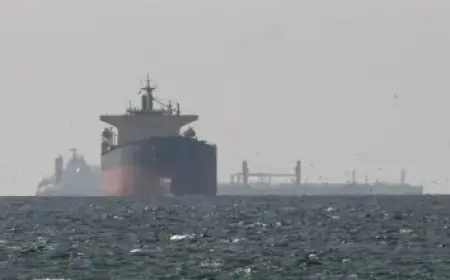
International shipping has all but stopped at the entrance to the Strait of Hormuz, where officials warned vessels not to pass through the waterway. The route handles roughly a fifth of the world's oil and gas trade—around 21 million barrels a day—and spans about 100 miles from the Persian Gulf into the Gulf of Oman and on to the Arabian Sea and the Indian Ocean. The UK Maritime Trade Operations Centre reported two vessels struck and an unknown projectile exploding very close to a third, contributing to the standstill.
Markets, banks and the ripple to UK pump prices
Equity markets opened lower as energy-driven uncertainty spread. The Dow Jones Industrial Average fell nearly 1%, while the Nasdaq and the S&P 500 opened in the red. European indices also retreated: the FTSE 100 fell about 1% with the owner of British Airways among the biggest fallers, France's CAC-40 dropped 1. 8% and Germany's Dax declined 2. 1% in early afternoon trading. Banking names such as Barclays, Standard Chartered and HSBC saw share prices slide on worries that sustained energy-price rises could fuel inflation and reduce the scope for interest rate cuts.
Safe-haven buying lifted gold by about 2% to $5, 388 an ounce.
Fuel Prices and the timing for pump-level increases
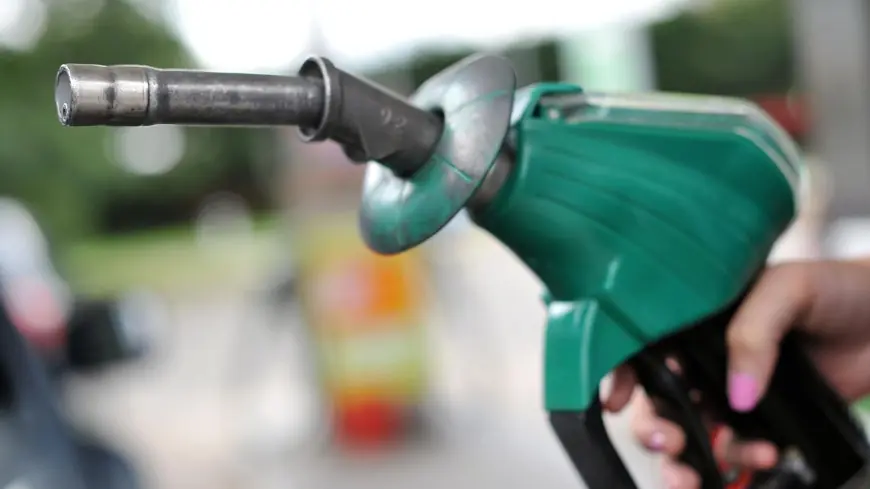
Wholesale crude movements are a major driver of what drivers pay at forecourts. The RAC notes that increases in crude oil typically take around two weeks to filter through to fuel pumps. Exchange-rate swings matter too because oil is priced in US dollars; a stronger pound against the dollar can lessen the impact on UK forecourts. Jorge Leon of Rystad Energy warned that any blockage of the Strait of Hormuz would directly raise prices at the pump and electricity bills, and create a secondary inflation effect that pushes up general prices.
What makes this notable is how quickly operational disruptions translated into market moves: drone strikes and shipping incidents prompted immediate production halts, an almost 50% jump in natural gas, and double-digit percentage moves in crude in a matter of days, compressing the usual transmission timeline to consumers. If the situation persists, many economists cited in market commentary expect prices could climb toward $100 a barrel, but that outcome depends on how long disruptions continue and whether traffic through the Strait returns to normal.
The sequence is clear: military strikes and maritime attacks forced facility shutdowns and shipping stoppages, which reduced supply flows and lifted wholesale prices—moves that typically begin to reach motorists at the pumps after roughly a fortnight. The immediate outlook remains tied to whether shipping resumes and regional production can be restored.