























Punch Monkey craze is reshaping Ikea runs and zoo attention — who is feeling the impact?

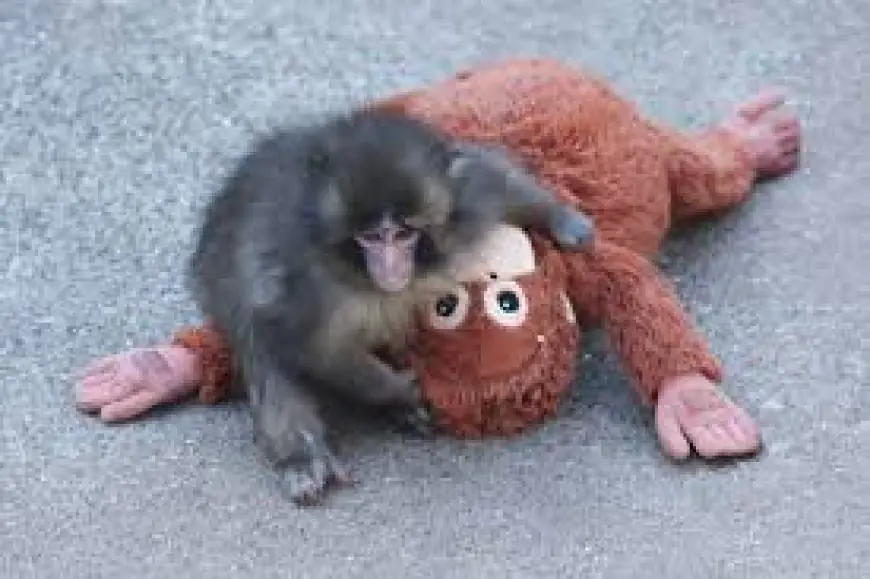
Shoppers, zookeepers and a single infant macaque are at the center of a small cultural storm driven by a plush toy. The story of Punch — an abandoned baby monkey in a Japanese zoo clinging to an Ikea Djungelskog — has pushed ordinary buying behavior into frenzied demand and made one soft toy a stand-in for sympathy. The punch monkey moment matters first to the animal and the staff closest to him, then to the people racing to buy the toy.
Punch Monkey: immediate effects on the animal, staff and shoppers
Here’s the part that matters: Punch is being comforted with a plush orangutan, a measure that is changing how staff manage him and how people outside the zoo respond. The toy is described as something Punch grips like a life raft; without it, he spends his days avoiding being dragged and chased by older Japanese macaques inside his enclosure. That dynamic — a baby monkey not embraced by peers — sits behind why zookeepers provided the plush and why the image struck so many viewers.
What unfolded at the zoo and why anthropomorphism is a caution
Punch may look sweet with his plushie, but anthropomorphism can’t tell us what a wild animal is truly experiencing. The baby macaque’s attachment to the Djungelskog has gone viral in tandem with the toy itself, prompting widespread attention even as the precise emotional state of the animal remains unclear in the provided context. Observers compare the tone of this moment to an earlier viral case — described as feeling a little like Moo Deng 2. 0 — but the writer finds Punch’s situation sadder because he has not been embraced by other monkeys.
Retail ripple: how the Djungelskog demand changed buying patterns
The plush surge is measurable. Listings for Djungelskog rose by 650% between January and February of this year, with sale prices ranging between $33 and $175. A spokesperson for Ikea Australia described a more than 200% increase in sales of Djungelskog in the past week, and said more than 990 were bought across Australian stores and online. The spokesperson framed the toy as experiencing unprecedented demand and urged fans to act quickly because it is selling fast.
A first‑hand run and the in‑store reality
The writer recounts rushing from Sydney airport after almost 24 hours in transit, arriving at Ikea’s click and collect to pick up a large plush orangutan only to find Djungelskog had already sold out. Told it would be back in stock tomorrow, the writer left disappointed and tired. Returning the next morning, an Ikea employee brought a Djungelskog out to the writer’s car and said, “Everyone has bought one. We sold out yesterday and had to call all these stores … I was like, ‘what is up with all these monkeys?’ and then I saw the videos [of Punch] and I’m like, ‘I need one’. ”
After securing the toy, the writer describes an immediate sense of peace, noting the plush’s hauntingly large, vacant eyes. The writer wrapped Djungelskog around their arms, commuted to work and muttered to the orangutan to help it get a sense of its surroundings: “This is where I work!” and “We’re hopping into the lift!”
A web-side aside about compatibility notices
Separately, a webpage notice included with the material explains that a news site had been built to take advantage of the latest technology for a faster, easier user experience and that the reader’s browser was not supported, adding a prompt to download a modern browser for the best experience. The notice framed this as necessary to ensure the best experience for readers.
- Stakeholders directly affected: Punch (the infant macaque), zookeepers managing his care, other Japanese macaques in the enclosure, Ikea staff and shoppers, and sellers listing Djungelskog at marked-up prices.
- Commercial signals to watch for: continued sellouts in stores, sustained higher listing prices, and repeated mentions of Djungelskog during coverage about Punch.
It’s easy to overlook, but this episode highlights how a single image can translate into measurable retail movement and emotional projection. A short, practical timeline appears inside the coverage: listings jumped between January and February; a week-long sales spike pushed more than 990 purchases in Australia; a local click-and-collect run produced an overnight sellout and a promised restock the next day. The real test will be whether demand stays elevated once the initial viral attention fades.
Writer’s aside: the experience of queuing across long travel delays to buy a plush signals a curious mix of empathy and consumer behavior, and the moment feels part spectacle and part search for small comfort.