























Scotland approves Water Cremation as first UK nation to legalise alkaline hydrolysis

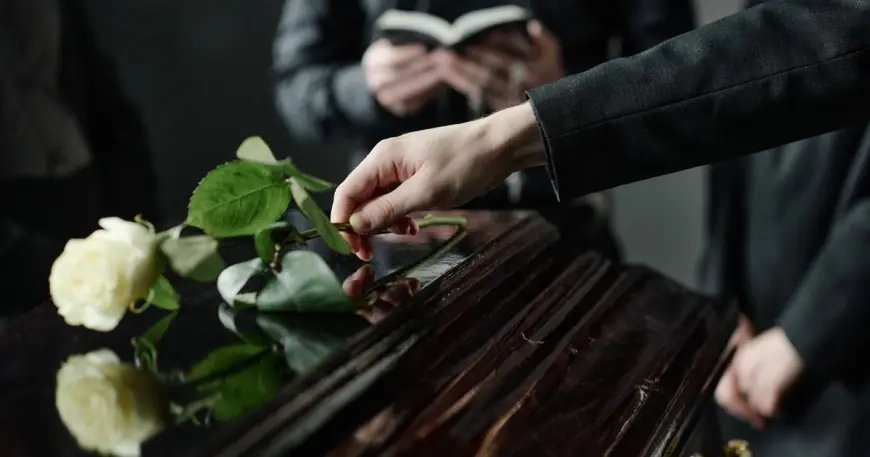
Scotland has become the first country in the UK where water cremation is now legal, creating a formal third option alongside burial and traditional cremation. The move matters because it establishes a regulated, lower-emission route for handling human remains and is expected to allow initial procedures to begin this summer once permissions are secured.
The details of water cremation may be upsetting to some readers.
Water Cremation: the alkaline hydrolysis process
The method, formally called alkaline hydrolysis, begins with the body being weighed and wrapped in a biodegradable shroud such as silk, wool or another suitable fabric. That package is placed in a pressurised chamber containing hot water mixed with potassium hydroxide; the mixture is heated to 150C (300F) for up to 90 minutes, accelerating decomposition and dissolving soft tissue.
What remains are the bones, which are rinsed at 120C, dried and then pulverised in a machine known as a cremulator into a coarse powder. The powdered remains are returned to next of kin in an urn, much as ashes are after traditional cremation. Some observers have used the phrase "boil-in-the-bag" funerals to describe the technique.
Scottish Government and Scottish Parliament approvals
The Scottish Government introduced regulations to allow the practice and those measures gained approval from the Scottish Parliament. The company supporting the introduction described the change as the biggest alteration to cremation law since 1902. Officials have said the option will provide choice for people seeking alternatives to burial or cremation for the first time in over a century; other coverage has described it as the first major change in 124 years.
Until now the technique had been effectively prohibited in the UK, and the initial procedures in Scotland are anticipated to commence this summer once the necessary permissions are secured.
Public Health Minister Jenni Minto on choice and regulation
Public Health Minister Jenni Minto said the method offers an "environmentally friendly alternative" to traditional burial or cremation and emphasised that decisions about remains are "deeply personal, shaped by individual values, beliefs and the wishes of their families. " She added that the process will be subject to the same assurances and regulatory requirements as existing methods, giving bereaved families confidence that their loved ones are treated with care, dignity and respect.
Environmental impact and carbon figures
The method is marketed as a "green cremation. " It has been estimated that a typical conventional cremation produces a carbon footprint equivalent to about 320kg of carbon dioxide. Alkaline hydrolysis is found to result in emissions that are seven times lower than that figure. Advocates cite additional advantages, including eliminating fossil fuel usage and lower carbon dioxide emissions compared with conventional cremation.
Proponents also point to speed: one website states that traditional burial can take up to 25 years for complete human decomposition, while water-based cremation can be completed in roughly two to three hours.
International use, resomation and notable cases
Alkaline hydrolysis is already used in parts of the world. The process operates across 30 American states and is established in the Republic of Ireland, Canada and South Africa, and has been chosen as the method for some high-profile figures, including anti-apartheid campaigner Archbishop Desmond Tutu. Europe’s first water cremation centre, called a resomation facility, opened in early 2023 in Navan, Co Meath, Ireland.
The government and industry will need to finalise permissions, equipment and local arrangements before the first Scottish procedures, but advocates say the regulated introduction will expand options for families and reduce emissions from end-of-life arrangements.