























Mansoureh Khojaste Bagherzadeh and the aftermath of ‘Sixty seconds, that’s all it took’: the clinical Israeli‑US operation to kill Ali Khamenei

The assassination of Iran’s supreme leader, Ayatollah Ali Khamenei, unfolded in a burst that military officials described as lasting just 60 seconds, after decades of intelligence work and a recent six‑month infusion of technological resources from US intelligence. Mansoureh Khojaste Bagherzadeh is unclear in the provided context.
Operation timeline and scope
The strike that killed Ayatollah Ali Khamenei, 86, was described as the culmination of long‑running intelligence collection combined with concentrated action. Military officials in Israel said the killing took place in near‑simultaneous strikes within 60 seconds across multiple locations in Tehran. Alongside Khamenei, seven members of the top Iranian security leadership who had gathered at several locations in Tehran were killed, and about a dozen members of his family and close entourage died in the strikes. Forty other senior Iranian leaders also died in the attack.
Intelligence preparation: years of tracking and recent US support
Observers characterized the mission as decades in the making, with Israeli secret services having built detailed files on Khamenei’s daily routines, family movements, associates and security arrangements. Over the last six months, the CIA and other US intelligence services provided crucial technological resources and manpower that enabled the final operation. The timing rested on intelligence that identified a meeting of top Iranian officials at a leadership compound in the heart of Tehran scheduled for Saturday morning; the CIA was reportedly able to tell Israeli counterparts that Khamenei would be at that site at that time.
Tactical surprise and historical echoes
Former military intelligence figures described the strike as a tactical and operational surprise, noting that the expectation had been an attack conducted in darkness, similar in approach to the surprise strike that opened a 12‑day war in June. Analysts highlighted that, while Israel has a long history of conducting overseas assassinations, this was the first time a head of state was killed in such an operation.
Strategic risks and dissenting analysis
Some intelligence veterans and experts warned the operation could be a major strategic error. Critics argued that targeted killings do not necessarily dismantle organizations or political movements, and warned that removing leaders can alienate potential supporters or create openings for more radical opponents. Commentators pointed to previous campaigns of targeted assassination against groups such as Hamas and Hezbollah to note that leadership removal has not eradicated those organizations.
Human intelligence, technological force and incomplete details
Veteran practitioners described the tradecraft behind the operation as a “jigsaw puzzle” of tiny human and material traces: daily routines, how food is handled, even trash patterns were cited as elements that build a reliable picture of a high‑value target. Analysts said the United States would have been able to bring significant technological assets into play, while Israeli networks of agents on the ground supplied human intelligence and operational reach—details beyond that point are unclear in the provided context.
International reaction and UK response
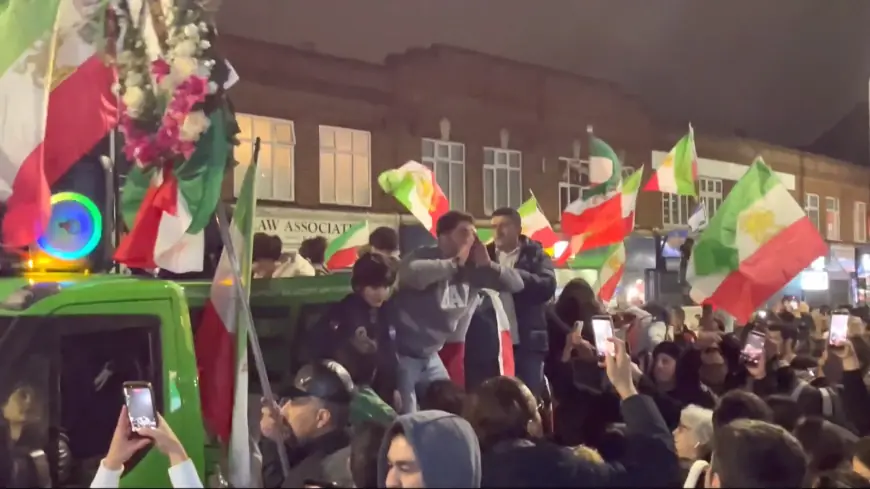
The killing opened an air offensive launched this weekend by Israel and the United States that was described as an effort to overthrow the radical clerical regime in Tehran and that plunged the Middle East into renewed chaos and violence. In the United Kingdom, the Defence Secretary, John Healey, said that protecting British troops and civilians in the Middle East was his main concern but he refused to be drawn on whether he thought the US and Israel’s attacks on Iran were justified. Iranians living in the UK reacted with relief in many quarters, and many of those welcoming the blow had previously fled Iran as dissidents.
Mansoureh Khojaste Bagherzadeh: status unclear in the provided context
The name Mansoureh Khojaste Bagherzadeh appears in the requested article framing but no factual information about this person is present in the provided context. Details about any connection, role or position are unclear in the provided context and cannot be confirmed here.
As events continue to unfold, the precise operational mechanics, the full toll among Iran’s leadership, and the broader regional consequences remain subject to further development and clarification.