
























Fuel Prices Climb After Drones Strike Ras Tanura and QatarEnergy Suspends LNG

Oil and gas markets moved sharply higher this week, raising concerns that fuel prices will follow as supply and shipping are disrupted. The immediate impact — from a near 50% spike in natural gas to a 10% jump in Brent crude — is already reverberating through shipping lanes, energy producers and stock markets.
Ras Tanura refinery
Workers were evacuated around Saudi Aramco's Ras Tanura oil refinery after the facility was hit by a drone, prompting Aramco to temporarily shut the major coastal refinery. The shutdown added to a wider disruption that has seen international shipping almost come to a standstill at the entrance to the Strait of Hormuz.
QatarEnergy and Ras Laffan
QatarEnergy, which is state owned, suspended production of liquefied natural gas (LNG) after Qatar's Ministry of Defence said a drone launched from Iran targeted a facility in Ras Laffan Industrial City. The ministry also said a drone struck a water tank at a power plant in Mesaieed, south of Doha. Natural gas prices spiked by nearly 50% on Monday following the halt in LNG output.
Strait of Hormuz shipping
At least three ships were attacked near the Strait of Hormuz at the weekend, and Iran warned vessels not to pass through the crucial waterway. The UK Maritime Trade Operations Centre said two vessels had been struck and that an "unknown projectile" exploded in very close proximity to a third. The Strait — a roughly 100-mile channel that leads from the Persian Gulf into the Gulf of Oman and on to the Arabian Sea and the Indian Ocean — moves about a fifth of the world's oil trade, roughly 21 million barrels a day, and analysts warn a prolonged disruption could push energy prices significantly higher.
Fuel Prices and UK motorists
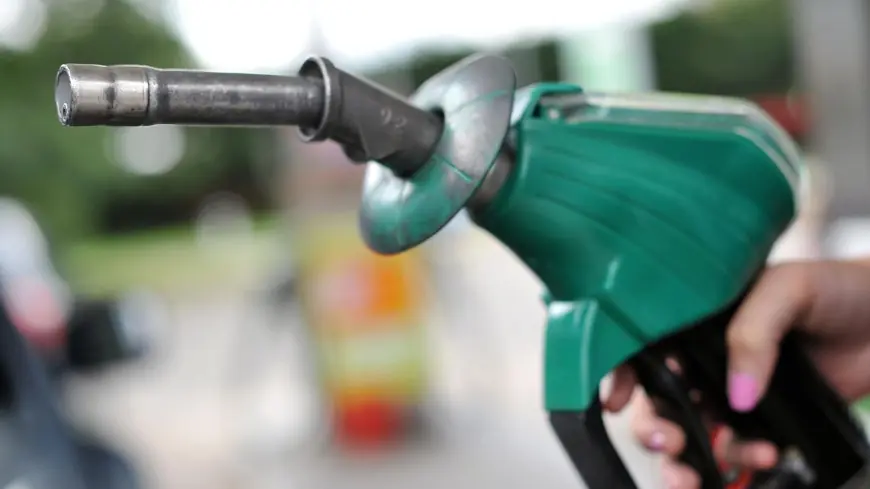
Wholesale crude movements are expected to flow through to forecourts: oil that was trading below $70 a barrel on Friday had risen to $78 on Monday. Oil prices have risen by around 9% since Sunday night, and some economists say prices could reach $100 a barrel if the conflict persists. Motoring organisation the RAC says increases in crude typically take two weeks to filter through to the fuel pumps, and exchange-rate shifts in the pound against the US dollar will also influence final pump costs. Jorge Leon of Rystad Energy warned that any blockage of the Strait of Hormuz would directly affect British motorists with higher pump prices and higher electricity bills, and that a secondary effect would be broader inflationary pressure on the economy.
Markets and gold
Markets reacted immediately. Brent crude surged about 10% to touch more than $82 a barrel on Monday before easing back to $79 a barrel; US-traded oil was up roughly 7. 6% at $72. 20. In the US, stock indexes opened lower, with the Dow Jones Industrial Average off nearly 1% and the Nasdaq and S&P 500 trading in the red. In London the FTSE 100 fell 1%, with the owner of British Airways among the biggest fallers as Middle East airspace disruptions hit travel and insurers. Banks including Barclays, Standard Chartered and HSBC saw share prices slide amid concerns that sustained energy-price rises could add to inflation and reduce the scope for central banks to cut interest rates. European markets were hit harder: France's CAC-40 dropped 1. 8% and Germany's Dax fell 2. 1% in early afternoon trading. Gold, seen as a safe haven, added 2% to reach $5, 388 an ounce.
Saul Kavonic, head of energy research at MST Marquee, described the market mood as cautious rather than panicked, noting that so far oil transport and production infrastructure has not been a primary target. He said traders will be watching whether traffic through the Strait of Hormuz resumes; a return of shipping would likely see prices ease.
A separate brief entry titled "Client Challenge" contained no further information.
What makes this notable is the confluence of direct production stoppages, attacks on refining and shipping, and market moves: a near 50% jump in natural gas, a double-digit swing in Brent, and immediate equity-market weakness together create a multi-channel shock that typically transmits to consumer fuel prices within weeks.