
























Impact of Oct. 7 Attacks: Unraveling Iran’s Proxy Militias Over Years

Recent military actions taken by Israel in response to the October 7, 2023, Hamas attacks have fundamentally altered the geopolitical landscape in the Middle East. With a sharp focus on Iran and its proxy militias, Israeli and U.S. forces aim to diminish Iran’s influence, significantly impacting regional dynamics.
Escalation Following the October 7 Attacks
The October 7 attacks by Hamas, which resulted in the deaths of around 1,200 individuals and the abduction of 251 hostages, marked a severe escalation in hostilities. Following these events, Israel retaliated, resulting in over 72,000 casualties among Palestinians in Gaza, as reported by the Hamas-controlled Health Ministry.
Key Regional Players: Iran and Hezbollah
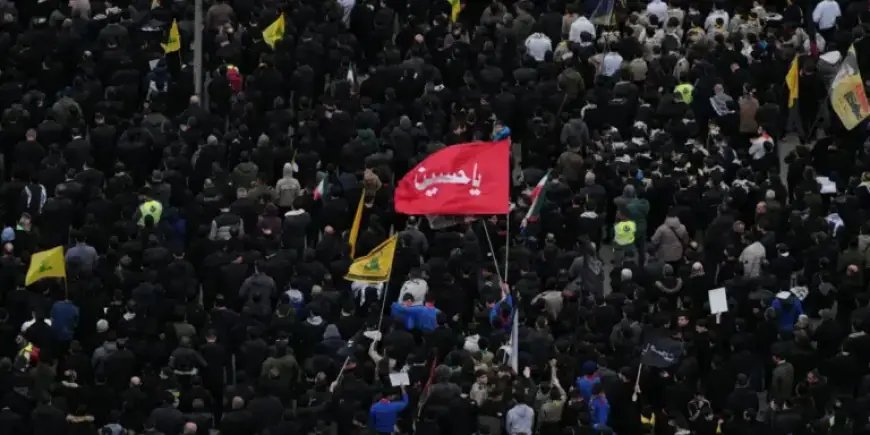
- Hezbollah: This powerful Lebanese group is considered Iran’s chief ally in the region. It has an arsenal of approximately 150,000 rockets and had a fighting force touted to be around 100,000 strong under former leader Hassan Nasrallah.
- Military Actions: After the October 7 attacks, Hezbollah initiated rocket strikes against Israel, leading to significant Israeli counter-attacks and further escalation of conflict by the fall of 2024.
Impact on Iran’s Influence
Iran’s power in the region has suffered dramatically over the past two and a half years. The combined military efforts of Israel and the U.S. have successfully targeted key Iranian figures and military infrastructure. The recent offensive resulted in the assassination of Iran’s Supreme Leader, Ayatollah Ali Khamenei, which shocked the entire region.
Proxy Militia Responses and Strategic Changes
Iran-supported groups are now acting with greater autonomy, shifting their focus on survival rather than merely fulfilling Iranian directives. This shift has manifested in their caution regarding direct involvement in the ongoing conflict.
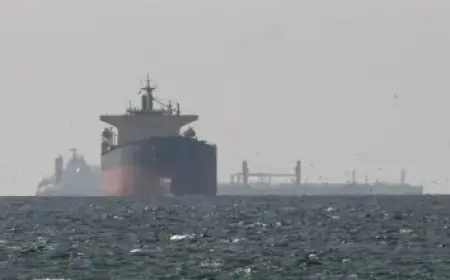
- Yemen’s Houthi Rebels: Also backed by Iran, they have contributed to rising tensions by launching missiles at naval vessels in the Red Sea.
- Iraqi Militias: A coalition known as the Islamic Resistance in Iraq has conducted drone strikes against U.S. bases, while internal discussions about retaliation have been reported among Iranian-backed factions.
Future Prospects for Middle Eastern Stability
The situation remains fluid. Experts like Charles Lister emphasize that Iranian proxies may hesitate to engage fully due to the risks associated with becoming primary targets. This evolving strategy marks a significant shift from direct commands to independent decision-making among these groups.
As these dynamics unfold, it is clear that the repercussions of the October 7 events have substantially influenced the balance of power across the Middle East. The uncertainty surrounding the reactions from Iran’s proxies complicates the ongoing conflict, leading many to question what the future holds for regional stability.