
























Brent Crude Oil Analysis: Double Bottom Holds, $95 Target Strengthens

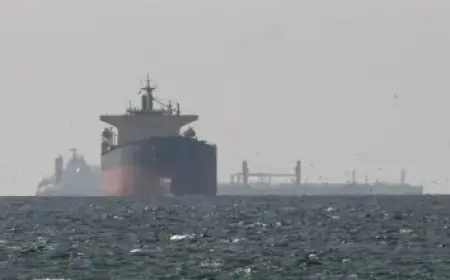
The possibility of a closure of the Strait of Hormuz poses significant risks to global oil supplies. This critical waterway handles a substantial portion of the world’s energy trade, making its stability vital for international markets.
Importance of the Strait of Hormuz
The Strait of Hormuz serves as a pivotal chokepoint in global energy transport. In 2024, oil transit through this strait averaged 20 million barrels per day, comprising about 20% of total global petroleum liquids consumption and 27% of seaborne oil trade.
Key Contributors and Destinations
- Saudi Arabia contributes approximately 5.5 million barrels per day, accounting for 38% of all crude flows through Hormuz.
- About 84% of the crude transported is destined for Asian markets, with China, India, Japan, and South Korea collectively responsible for 69% of these flows.
- The strait also carries around 20% of the global LNG trade, primarily originating from Qatar.
Risks of Disruption
Even if countries like Saudi Arabia and the UAE activate overland bypass pipelines, two-thirds of Gulf crude exports would remain vulnerable to disruption. Iraq, Kuwait, and Qatar lack comparable bypass infrastructure, exposing close to 14 million barrels per day to risks.
The total annual value of energy trade through the Strait of Hormuz is estimated at nearly $500 billion. A closure, regardless of duration, would trigger an immediate and severe supply shock, leaving no short-term substitutes available.
OPEC+ Production Changes
In response to these challenges, eight OPEC+ members, including Saudi Arabia, Russia, and Iraq, convened virtually and decided to increase collective oil output by 206,000 barrels per day starting in April 2026. This adjustment represents a gradual unwinding of the previous cuts of 1.65 million barrels per day that were implemented in April 2023.
Market Implications
Despite this increase, analysts are skeptical about its impact on global oil supply. The additional 206,000 barrels per day constitutes only about 0.2% of total global daily consumption. Given the risk of removing 20 million barrels per day from the market due to potential disruptions in the Strait of Hormuz, this increment appears almost negligible.
Ultimately, this decision seems more of a diplomatic gesture than a true supply intervention. The market is likely to react accordingly, viewing it as a sign of internal solidarity rather than a significant change in supply dynamics.