






















Punch Monkey: Why a Djungelskog Plush Has Sparked a Global Rush and What It Reveals

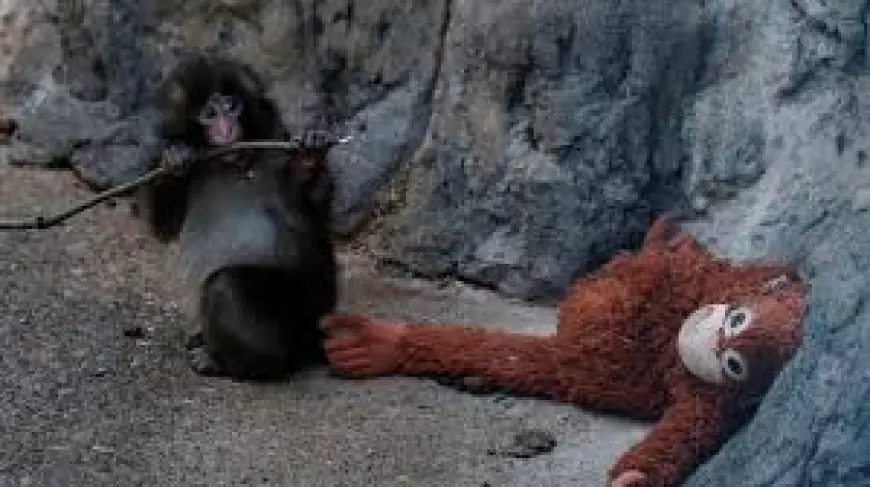
The punch monkey moment centers on an abandoned baby monkey named Punch at a Japanese zoo who has gone viral after being shown gripping a Djungelskog plush that people online believe comforts him, though the reasons for the viral attention are largely unclear. The image of Punch clinging to the soft orangutan has prompted a surge in demand for the toy and a flurry of personal pilgrimage and commentary.
Punch Monkey and the Djungelskog: what the viral footage shows
Punch, a baby Japanese macaque described as abandoned and not embraced by his peers, has been filmed holding a Djungelskog plush given to him by zookeepers. Observers note the animal grips the toy like a life raft while spending time avoiding being dragged and chased by older macaques inside his enclosure. The footage has driven curiosity and affection online, but observers also warn that anthropomorphism can’t tell us what a wild animal is truly experiencing.
Retail ripple effects: listings, prices and spikes in sales
The soft Djungelskog orangutan that appears with Punch has itself become a sought-after commodity. Listings of the toy rose sharply between January and February of this year, with one marketplace recording a 650% increase in listings over that span and items being offered at prices ranging from $33 to $175. In one country, a spokesperson for the regional Ikea operation said sales of Djungelskog jumped by more than 200% in the past week, with more than 990 units purchased across stores and online during that period.
On-the-ground pursuit: a customer’s trip to click-and-collect
A first-person account traces how the fad moved people to action. After nearly 24 hours of travel delays, the author stopped at an Ikea click-and-collect point as a last errand before going home. The store had sold out; staff said stock would return the next day. Returning early the following morning, the customer was handed a Djungelskog by a staff member who explained that everyone had bought one, the store had sold out the previous day and employees had called other locations to find more. The staff member admitted wondering "what is up with all these monkeys?" and, after watching the videos of Punch, decided they needed one too.
The purchaser described a moment of relief once the toy was acquired: buckling Djungelskog into the car and feeling a profound sense of peace, noting the plush’s hauntingly large, vacant eyes. After dropping the car off at home, the buyer wrapped Djungelskog around their arms and commuted to work, quietly speaking to the orangutan plush—saying things like "This is where I work!" and "We’re hopping into the lift!"—as a way of helping the toy settle into its new surroundings.
The Djungelskog variety and cultural comparisons
There are multiple versions of the stuffed Ikea toy, all marketed under the name Djungelskog. The plush’s sudden cultural prominence has prompted comparisons to earlier viral animal stories; one observer likened the sensation to a prior well-known case but described the current moment as sadder because Punch has reportedly not been accepted by his peers. That framing has helped shape public reaction and the consumer scramble for the toy.
Site usability note that surfaced alongside the story
Alongside coverage of the phenomenon, a separate web message appeared indicating that a news site had been built to take advantage of the latest technology and that some readers might see a "browser not supported" notice. The notice directed users to download an updated browser for the best experience on that site and emphasized that the site was optimized to be faster and easier to use.
The Punch story has produced a complex mix of commerce, empathy and debate over how to interpret animal behavior. While the Djungelskog plush has provided an object of comfort on camera and a readily observable retail effect, questions about what Punch actually feels remain unresolved and observers caution against easy conclusions. For readers swept up in the craze, availability is likely to remain subject to rapid change as demand continues.