























Fuel Prices: How the Middle East Escalation Is Likely to Reprice Energy and Re-shape Policy Decisions

Why this matters now: Rising oil and gas costs are already feeding into consumer bills and central-bank calculations, and the current flare-up in US–Iran tensions has the near-term potential to push fuel prices higher for weeks if key shipping routes remain disrupted. The squeeze is visible in crude, benchmark European gas, and in insurer and tanker behavior—forcing a rethink of how long price pressure could last and how policymakers respond.
Fuel Prices as a driver of near-term economic shifts
Here’s the part that matters: traders and policymakers are treating the spike in energy costs not as an isolated market blip but as an input that quickly ripples into inflation, interest-rate probability and trade costs. Brent crude jumped to about $79 a barrel (about £59) by lunchtime in London, a rise of roughly $6 or 8. 5% in a single trading day. West Texas Intermediate was trading around $72. 79 a barrel early on Monday, up about 8. 6% from near $67 on the prior Friday; another Brent read showed $79. 41 per barrel, a roughly 9% rise from $72. 87 on Friday and a seven-month high.
What happened — embedded event details
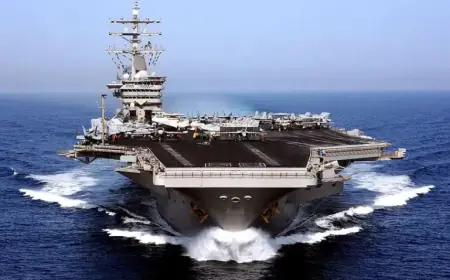
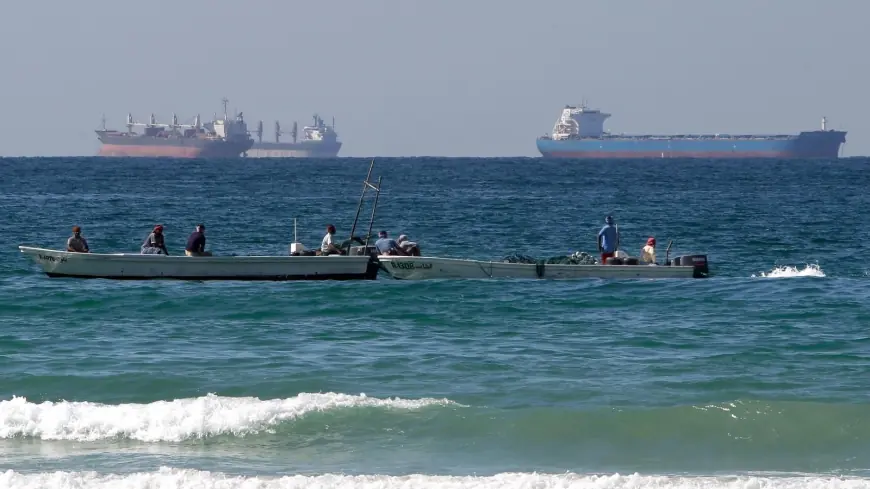
Military strikes by the US and Israel on Iran, followed by Iranian missile barrages across the region, have disrupted the global energy supply chain. Two vessels travelling through the Strait of Hormuz were attacked on Sunday. Tankers are declining to use the strait and are piling up on either side, with insurers reluctant to provide cover, and some ships appear to be avoiding the Suez canal as the wider region is engulfed in conflict. The pattern is producing immediate upward pressure on both oil and natural gas benchmarks.
Supply-route exposure and concrete numbers
- The Strait of Hormuz carries about 20% of global oil supplies and is described elsewhere as handling about a fifth of the world’s seaborne oil trade flows.
- One analysis has framed an effective halt of traffic through the strait as preventing roughly 15 million barrels per day of crude oil from reaching markets.
- Iran exports about 1. 6 million barrels per day, largely to China.
- Iran temporarily shut parts of the strait in mid-February for what it called a military drill; that previous disruption caused oil prices to jump roughly 6% in subsequent days.
Market reactions, production moves and regional specifics
Prices and equity markets moved sharply: benchmark European gas rose strongly, with one reading showing a 38% increase on Monday after state-owned QatarEnergy halted production at two sites following drone attacks. Stock indexes in Asia were hit: Japan’s Nikkei fell about 1. 3% on Monday, blue-chip stocks in China slipped about 0. 1%, and the broader MSCI index for Asia-Pacific (ex-Japan) fell about 1. 2%.
OPEC+ has signalled supply-side responses: eight member countries announced a boost in production, with a planned April increase of about 206, 000 barrels per day. The countries named in that move include Saudi Arabia, Russia, Iraq, the United Arab Emirates, Kuwait, Kazakhstan, Algeria and Oman.
Policy and consumer implications — immediate pathways
Rising energy costs filter rapidly into household spending: higher global energy prices mean consumers can expect to pay more for petrol at the pump and for groceries and other goods. Central banks face a trade-off: while they often “look through” short-term supply shocks, some authorities remain worried about elevated inflation expectations. One central bank’s odds of a rate cut at its next meeting (on 19 March) fell to about 69% from roughly 80% the prior week amid the risk of another upward move in prices. The US, with shale supplies and a strategic petroleum reserve, is described as better able to insulate itself, although prolonged higher costs could deter a planned easing of policy sought by Donald Trump.
- Brent midday London: about $79 (£59), up ~$6 (8. 5%) on the day.
- WTI early Monday: $72. 79, up ~8. 6% from about $67 on Friday.
- Brent early Monday: $79. 41, up ~9% from $72. 87 on Friday.
- European gas benchmark: up ~38% on Monday after two QatarEnergy sites halted production following drone attacks.
- OPEC+ April planned increase: ~206, 000 barrels per day from eight countries.
What could amplify or ease the shock depends on the duration and scale of shipping disruption. Economists have modelled a worst-case scenario in which a full month-long blockade of the Strait of Hormuz pushes oil prices higher by as much as $15 a barrel, though that impact could be partly offset by rerouting supplies through other channels.
It’s easy to overlook, but the interaction between insurance availability, tanker routing and announced production changes will determine whether the spike is a short-lived price blip or a longer-lived inflationary impulse that forces policy shifts.
Key takeaways:
- Energy costs are rising across crude and gas benchmarks; immediate market moves have been sharp.
- Shipping disruptions around the Strait of Hormuz and Suez are central to the supply shock and have already affected tanker behavior and insurance coverage.
- OPEC+ announced an April production increase of about 206, 000 barrels per day from eight member countries; whether that meaningfully offsets lost flows is unclear in the provided context.
- Policymakers face pressure on inflation expectations; one central bank’s odds of a rate cut on 19 March fell noticeably in the latest market reaction.
- Consumers should expect higher petrol and grocery costs if energy prices remain elevated.
The real question now is how long tanker operators, insurers and producers sustain the current market posture; absent rapid de-escalation signals, the repricing of energy could extend beyond a few trading days and lead to broader economic consequences.
Writer's aside: What’s easy to miss is how quickly shipping and insurance dynamics amplify a physical supply shock into a financial one, compressing policy options if the situation persists.