






















Punch Monkey and punch monkey: Djungelskog plush comforts an abandoned macaque and fuels a buying rush

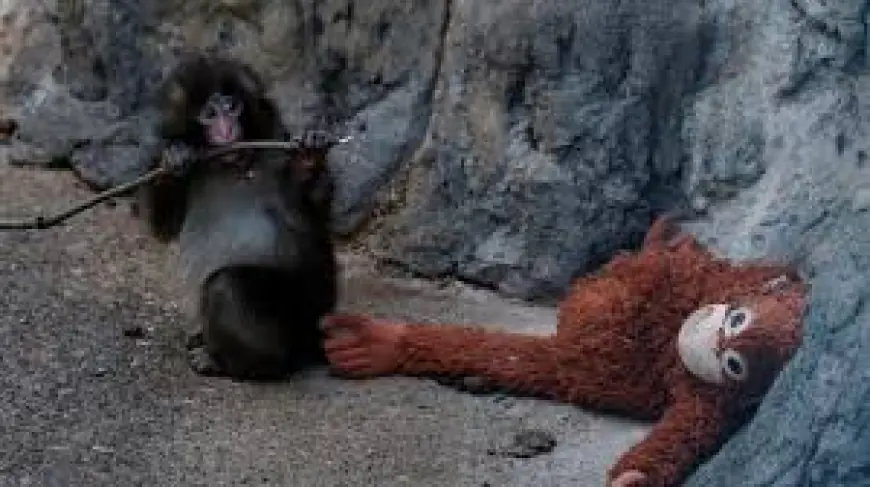
At a Japanese zoo an abandoned monkey named Punch has gone viral for clutching a plush Ikea orangutan, and that image has sent shoppers scrambling for the soft toy. The sight of punch monkey holding the Djungelskog has driven a dramatic uptick in listings and store sales, even as observers caution that anthropomorphism cannot reveal what a wild animal is truly experiencing.
Punch Monkey’s Djungelskog was given by zookeepers and grips it like a life raft
Keepers at the zoo gave Punch a large plush orangutan called Djungelskog, and the baby monkey grips the toy tightly. Without the plush, Punch would be alone and unloved inside his enclosure, the context says, spending his days avoiding being dragged and chased by older Japanese macaques. The account notes the infant has not been embraced by his peers.
eBay Australia and Ikea Australia report surging demand for Djungelskog
Listings for Djungelskog on eBay Australia rose by 650% between January and February of this year, with items selling for between $33 and $175. A spokesperson for Ikea Australia said there had been a more than 200% increase in sales of Djungelskog in the past week, and that more than 990 had been bought across Australian stores and online. The Ikea spokesperson added, “As global attention continues to build around Punch’s remarkable story, our iconic orangutan soft toy is now experiencing unprecedented demand. Fans should get in fast as it is selling quickly. ”
A first‑hand run to Ikea: sold out, then found one the next morning
The writer stood in line at Ikea’s click and collect service to pick up a large Djungelskog after almost 24 hours in transit following a series of flight delays, calling this the last stop before collapsing. On arrival the plush had already sold out at the front desk and staff said it would be back in stock tomorrow. Returning the next morning, a kind Ikea employee brought a Djungelskog to the car and told the writer, “Everyone has bought one. We sold out yesterday and had to call all these stores … I was like, ‘what is up with all these monkeys?’ and then I saw the videos [of Punch] and I’m like, ‘I need one’. ”
Personal reactions and questions about anthropomorphism
The writer describes clutching the Djungelskog and feeling “a sense of profound peace, ” wrapping the toy around their arms after dropping the car at home and even commuting to work with it. They muttered to the orangutan, “This is where I work!” and “We’re hopping into the lift!” The piece links that emotional response to broader cautions: Punch may look sweet with his plushie, but anthropomorphism can’t tell us what a wild animal is truly experiencing. The writer compares the moment to “Moo Deng 2. 0, ” saying it feels sadder because the baby monkey has not been embraced by his peers.
Multiple Djungelskog toys share the same name as the orangutan plush
The account notes there are different stuffed Ikea toys all named “Djungelskog, ” and the writer came to see whether the particular plush attached to Punch would bring them the safety and security the monkey appears to find in it. The scene, and the subsequent spike in purchases and listings, underline how a single image of Punch and his Djungelskog has translated into consumer demand across online marketplaces and stores.