






















Burger King Makes Its Biggest Whopper Changes In Nearly A Decade, Betting On “Premium” Familiarity

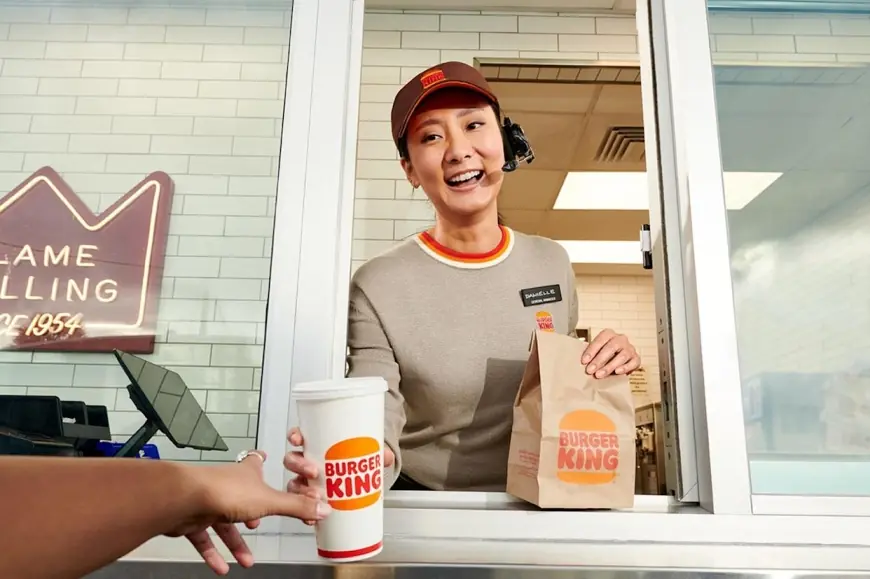
Burger King is rolling out a revamped Whopper nationwide after announcing the update on Thursday, February 26, 2026 (ET)—its most consequential refresh to the flagship burger in roughly ten years. The company is keeping the core build intact—the flame-grilled quarter-pound beef patty and the classic stack of lettuce, tomato, onion, pickles, ketchup, and mayo—but says execution is changing in three places customers notice first: a higher-quality sesame-seed bun, an updated mayonnaise, and new packaging that swaps the wrap for a box.
The move is less about reinventing a fast-food icon than tightening the “moment of truth” factors—softness, structure, temperature, and mess—where a Whopper either feels satisfying or feels like a compromise. In a market where diners have grown more selective about what’s “worth it,” Burger King is trying to make its most recognizable sandwich feel less like a default and more like a deliberate choice.
Whopper Changes: Bun, Mayo, Box
The most visible change is the packaging. Instead of arriving in a paper wrap that can compress the sandwich in a bag—especially during delivery and drive-thru handoffs—the Whopper is now served in a box designed to protect height and reduce squish. That sounds cosmetic until you consider how many complaints about burgers aren’t really about flavor—they’re about a bun that steamed itself into collapse, shredded lettuce glued to the wrapper, or tomatoes sliding off on the first bite. A box is a quality signal, but it’s also a logistics decision: sturdier presentation in exchange for more packaging cost and potentially more waste.
Burger King is also switching to a more premium bun while keeping the sesame-seed look and feel familiar. Chains rarely touch buns without a reason; bread is a dominant texture driver, and it’s also a stability problem. If a bun is even slightly tougher, it can better hold condiments and produce through a longer window—from kitchen to counter to car seat to couch. If it’s softer, it reads “fresh,” but risks collapsing under heat and moisture. The bet here is that Burger King has found a bun that stays soft without disintegrating.
Then there’s the updated mayonnaise, a smaller-sounding tweak that can have outsized impact because mayo is the Whopper’s glue. Mayo is also where “premiumization” hides: richer mouthfeel, a different tang profile, and better emulsification can make a burger taste more expensive without changing the patty at all. Burger King is positioning this as an improvement, not a recipe departure—an important distinction when the Whopper’s power is consistency.
Why Burger King Is Touching An Icon Now
Burger King didn’t pick this moment by accident. Fast food has spent the past two years stuck between two pressures: the need to offer aggressive value to keep traffic up, and the need to protect margins as costs rise. Discounts can bring people in, but they train customers to wait for deals. That creates a ceiling where the brand’s signature items stop feeling special.
So the Whopper changes operate as a counter-message: even if Burger King competes on value, it also wants to compete on “worth.” A better bun and mayo aren’t just ingredients—they’re permission to talk about craftsmanship, consistency, and care without pricing the sandwich like a specialty burger chain. The packaging shift reinforces that narrative; a boxed burger is implicitly treated like something you’re meant to respect, not just unwrap on autopilot.
There’s also a brand reality at play: Burger King’s identity is tied to flame-grilling and the Whopper. When consumer attention fragments—limited-time offers, viral menu hacks, chicken wars—chains lean on the one product that reliably anchors memory. Updating that product is risky, but letting it stagnate is riskier if customers start treating it as interchangeable.
Price Fears, Franchise Execution, And The Real Test
Whenever a major chain upgrades components, customers immediately ask the same question: does this mean the Whopper will cost more? Burger King hasn’t framed the move as a price hike, but the anxiety is understandable. A new bun supply, a reformulated condiment, and box packaging add cost. Whether that shows up on the menu depends on how aggressively Burger King wants to defend traffic—and how much franchise operators can absorb.
The bigger vulnerability is operational. “Better ingredients” doesn’t matter if a store can’t execute them consistently. A bun that’s great when perfectly stored can disappoint if it dries out. A revised mayo can split the fan base if it tastes sweeter or tangier than expected. And boxes can protect the burger—unless staff start stacking them wrong, over-wrapping, or rushing assembly. The Whopper is simple, but simplicity makes flaws obvious.
That’s why Burger King is emphasizing that the patty and the build remain the Whopper people know. It’s an attempt to reassure loyalists while still giving lapsed customers a reason to try again.
Looking ahead, there are a handful of scenarios that will determine whether these Whopper changes become a quiet win or a noisy controversy:
One path is straightforward: the upgraded bun and mayo land as “noticeably better but still a Whopper,” and the box improves delivery satisfaction. If that happens, Burger King can apply the same playbook to other core items without triggering backlash.
A second path is polarization: if even a small group of loyal customers decides the mayo tastes “off,” the conversation shifts from quality to betrayal—especially on social platforms where taste preferences turn into identity debates. The trigger there would be consistent complaints about sweetness, tang, or aftertaste.
A third path is economic: if the Whopper price rises meaningfully by late spring 2026 (ET), the upgrade risks being interpreted as justification rather than improvement. The trigger would be localized menu boards creeping up while competitors hold steady with promotions.
A fourth path is execution gaps: if customers start reporting wildly different experiences across locations—great in one store, sloppy in another—the upgrade story collapses into a consistency story. The trigger would be uneven reviews and side-by-side comparisons that go viral.
For now, Burger King is making a careful wager: that the safest way to modernize an icon is to change the parts people feel, not the parts they recognize. If the bun holds its structure, the mayo adds richness without changing the Whopper’s identity, and the box keeps the sandwich from arriving crushed, Burger King gets a powerful message to sell in 2026—without admitting it’s changing the Whopper at all.