























Austin Mass Shooting at Buford’s on 6th Street Leaves Three Dead, FBI Reviews Terror Nexus

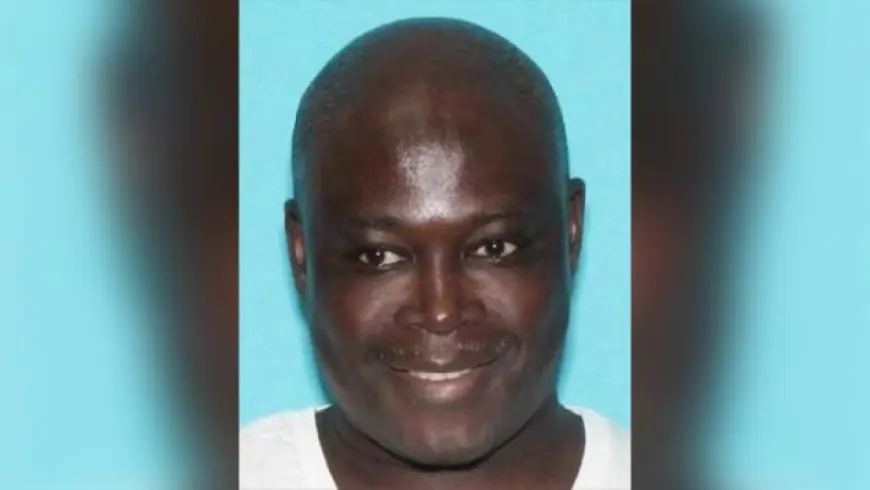
A mass shooting in Austin, Texas tore through the West 6th Street nightlife district early Sunday, March 1, 2026, leaving three people dead — including the suspected gunman — and 14 others injured, according to officials. The gunfire erupted outside Buford’s Backyard Beer Garden shortly before 3 a.m. Eastern Time, with police confronting and killing the shooter within minutes. Authorities have identified the suspect as Ndiaga Diagne, 53, and federal agents are now examining whether the attack has any nexus to terrorism, a step that raises the stakes in a case already rattling the city’s crowded bar corridor.
What’s known so far is grimly straightforward: a dense entertainment block, a short burst of sustained gunfire, and a casualty count that moved quickly from “shooting in Austin TX” alerts to the reality of a Texas mass shooting with long-term fallout for victims, witnesses, and downtown public safety.
Buford’s Austin Bar Shooting
The violence unfolded in the stretch of Austin known for late-night foot traffic and tightly packed venues, where sidewalks become bottlenecks and a single block can hold hundreds of people at closing time. Investigators say the shooting began outside Buford’s, with early accounts indicating the gunman fired from a vehicle and then continued on foot. Police engaged the suspect near the scene; two victims were pronounced dead, and the suspect became the third fatality after officers shot him.
The mechanics of the scene matter in understanding why the injuries were so extensive. West 6th Street is built for proximity: patrons spill into the street, lines form at doorways, ride shares cluster at corners, and visibility is limited by vehicles and crowds. In that environment, even seconds of gunfire can produce mass casualties, and chaos can spread faster than instructions from police or security. Emergency crews rushed multiple victims to hospitals; officials have indicated several injuries were serious, and the medical status of those hospitalized will be closely watched in the coming days.
For many Austinites, the location is as alarming as the numbers. “6th street shooting” has become a recurring phrase in public-safety debates, but this incident’s scale — and its focus on a specific bar frontage — has intensified scrutiny of how the city manages a district that routinely swells after midnight.
Ndiaga Diagne, Austin Shooting Suspect
Authorities have named Ndiaga Diagne as the Austin shooter. He is described as a Pflugerville-area resident and a naturalized U.S. citizen originally from Senegal. Investigators are still building out a full timeline of his movements and contacts in the hours and days before the attack, including where the weapons came from and whether he scouted the area.
What has drawn immediate attention, and triggered the terrorism-related review, is the mix of items and imagery tied to ideological signaling. Officials have described clothing that included religious messaging — including “Property of Allah” — and an Iran flag emblem. A Quran was also recovered from the suspect’s vehicle, according to investigators familiar with the evidence collected at the scene.
None of that, by itself, proves a motive. In the earliest phase of a mass shooting investigation, law enforcement is forced to separate what is performative from what is operational: whether the suspect’s symbols were meant to communicate a political grievance, whether they reflect a deeper ideological pathway, or whether they are a veneer over something else entirely, such as mental health crisis, personal resentment, or a desire for notoriety. That sorting process tends to be slow, document-heavy, and easy to misinterpret from the outside — especially when the public is desperate for an answer to “what happened in Austin Texas” beyond the basic facts of casualties and location.
Iran Flag, Terrorist Attack Questions
The FBI’s involvement and the language around a “potential nexus to terrorism” signal that investigators are treating the possibility seriously enough to run parallel workstreams: examining digital devices, communications, travel, financial records, and any ties — direct or indirect — to extremist propaganda or organized groups. In many cases, that review ends with a conclusion that the attacker acted alone and was not directed by an organization. But the process is essential because it determines whether this is framed purely as homicide and attempted murder, or as a broader national-security concern.
This case is also unfolding against a backdrop of heightened tension over Middle East events, including recent military strikes involving Iran. Investigators are assessing whether those events played any role in the suspect’s thinking or timing — a line of inquiry that can be evidentiary (messages, searches, statements) or merely speculative. The difference will matter for how the public understands the attack and how officials message risk in the days ahead.
For Austin, the terrorism question isn’t only legal — it’s political and practical. If authorities ultimately characterize the shooting as ideologically motivated, pressure will rise for more visible counterterror measures in nightlife zones, more aggressive monitoring of threats, and tighter coordination with federal agencies. If the evidence points elsewhere, city leaders will still face demands for immediate changes downtown, but the policy conversation may tilt toward policing tactics, crowd control, and venue security rather than ideological prevention.
What Happens Next in Austin, Texas
The next 72 hours will likely be defined by three things: medical updates, a verified timeline, and the first concrete indicators of motive.
Medical updates may change the story’s severity. If any critically injured victims deteriorate, the death toll could rise, reshaping the criminal and political response.
The timeline will harden as surveillance footage and witness interviews are cross-checked. Key questions include: where the suspect parked or staged, whether the shooting began as a drive-by or a targeted approach, how long he fired, and how quickly officers arrived and engaged. That sequence will also determine how the public evaluates the response — whether this was stopped as fast as possible in an inherently chaotic setting, or whether gaps in crowd management and street design contributed to the harm.
Motive evidence is the hinge point. Investigators will look for any statement, message, or digital trail explaining why Buford’s and why West 6th Street at that hour. If the suspect left behind something manifesto-like — or communications that show ideological intent — the terrorism angle will move from “under review” to the center of the case. If not, officials may ultimately describe the ideological signs as present but not causal.
Several forward scenarios now sit on the table:
-
Ideological motive confirmed: Investigators find clear intent tied to political or religious grievance, prompting a national-security framing and potentially different charging strategies.
-
Lone-actor, non-ideological violence: The symbols prove incidental, and the case centers on personal grievance or crisis, with downtown safety reforms becoming the main civic battleground.
-
Copycat risk and tightened security: Regardless of motive, state and local leaders increase visible security in entertainment districts statewide to deter further attacks.
-
Policy reshaping of 6th Street: The city accelerates changes — expanded closures, stricter vehicle access, more uniformed presence, and revised venue coordination — aiming to reduce the chance that a “mass shooting Austin” becomes a repeating headline.
-
Legal and accountability fights: Families and victims push for answers about how the suspect arrived armed and how the district is managed, opening debates over enforcement, oversight, and preventative measures.
For now, the facts that matter most are fixed: Buford’s Austin, a packed 6th Street Austin corridor, 14 injured, and a suspect — Ndiaga Diagne — killed after police confrontation. Everything else, including whether the “nexus to terrorism” becomes the defining label, will depend on what investigators can prove, not what the symbols at the scene seemed to suggest in the first terrifying minutes.