
























US-Iran Conflict Intensifies as Tensions Escalate into Third Day

The US-Iran conflict has escalated significantly, entering its third day and affecting numerous countries in the region. The situation has led to rising fears regarding the global economy and left thousands of travelers stranded as military actions intensify.
Key Developments in the US-Iran Conflict
On the third day of renewed hostilities, retaliatory strikes from Iran have resulted in significant casualties. A reported 17 people, including three US service members, have died from attacks across the region and in Israel. Meanwhile, three US military aircraft were downed in Kuwait due to what has been described as a “friendly fire incident.” Fortunately, all crew members are in stable condition following their ejections.
Casualties and Military Actions
- 17 total deaths reported, including 3 US service members.
- 3 aircraft downed in Kuwait, crew members safe.
- Israel conducted strikes in Lebanon, resulting in at least 31 fatalities.
- Airstrikes in Iran claimed 555 lives, including a high-profile American target.
Iran’s strikes have indeed breached the Gulf states’ longstanding security, raising alarms about the potential expansion of the conflict. The Iranian Red Crescent has reported significant casualties, and Israeli military officials have indicated that all options remain on the table for future military actions.
Responses and Implications
US President Donald Trump suggested that the military campaign could last “four weeks or so.” Both he and Israeli Prime Minister Benjamin Netanyahu emphasized that their aim is to thwart perceived threats from Iran, primarily its nuclear ambitions.
The complexities of this conflict are further highlighted by the timeline of US and Israeli military strategies. Military actions have intensified even amid ongoing discussions concerning a new nuclear deal with Iran, which has seemingly not prevented military engagement.
Air Defense and Rocket Attacks
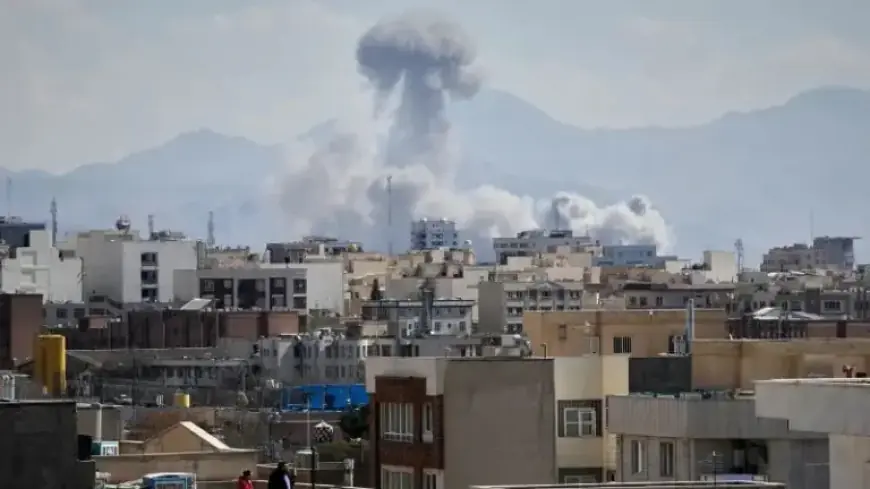
Iran has launched a new wave of missile attacks toward Israel. In response, explosions have been reported in several Iranian cities, indicating an ongoing battlefront. As tensions rise, projections of a ground operation in Israel remain plausible as leaders assess the situation.
- In Israel, at least 10 people have died, primarily due to missile strikes.
- Incidents reported in regional Gulf states, with air defenses activated against projectiles.
Economic Consequences of the Conflict
The conflict’s repercussions extend beyond military actions; it has disrupted global trade. Oil prices have surged, with Brent crude oil increasing nearly 9%. Concerns over the Strait of Hormuz’s accessibility have led to dramatic shifts in energy markets.
| Market | Price Change |
|---|---|
| Brent Crude | +9% to $79/barrel |
| WTI (US Benchmark) | +8% to $73/barrel |
| Dutch Natural Gas | +23% |
Travel disruptions have left many travelers stuck at major airports. Airlines in Dubai, Abu Dhabi, and Doha have suspended flights, compounding the crisis for international travelers.
Looking Ahead
With the conflict still unfolding, the future remains uncertain. The potential for further escalation looms as diplomatic efforts continue amid military engagements. Observers will be closely monitoring developments in the region as multiple fronts of conflict open and international implications deepen.