























S&p 500 investors face fresh volatility as oil jumps, shipping stalls and insurers pull back

What matters now is how quickly global energy flows and insurance markets normalize: the shock to oil, gas and shipping has already forced reroutes and driven safe-haven buying, and that matters for the s&p 500 because leadership and valuation cushions can shrink rapidly in a short squeeze on energy. Early market signals—higher oil, halted tankers, rising volatility and falling travel stocks—set the stage for a material re-pricing across equity indices.
Market performance shift: pressure points for the S&p 500 and peers
Here’s the part that matters: sudden supply shocks and an interruption to seaborne flows tend to tighten margins for airlines and consumer-facing sectors while boosting commodity and defense-related names. The s&p 500’s composition leaves it exposed to swings in oil and input-cost expectations; with the VIX up sharply, portfolio managers may rotate out of growth allocations and into cyclicals tied to energy—a dynamic that reshapes short-term leadership even without an immediate index-level print.
How the supply shock crystallized around the Strait of Hormuz
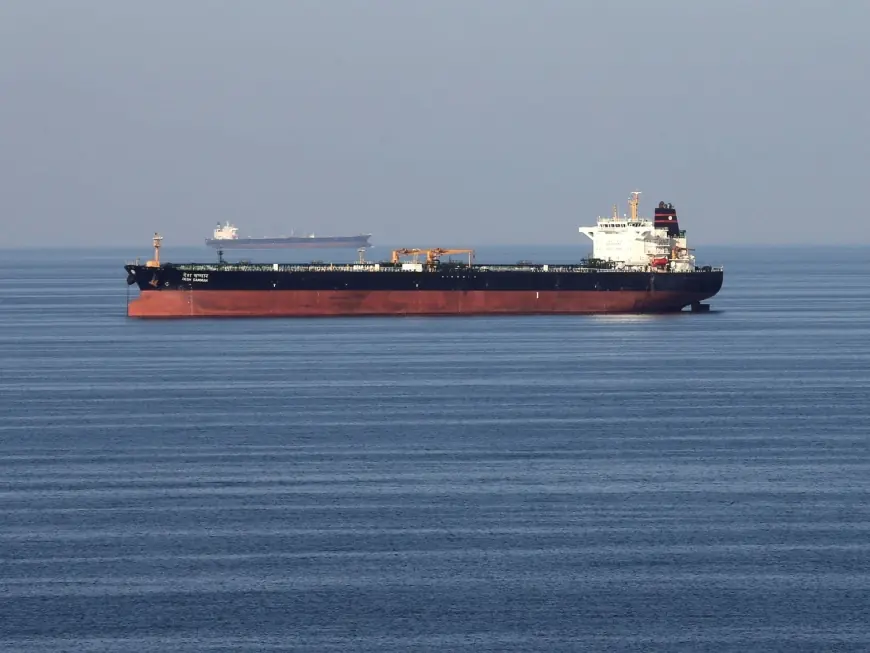
Vessels were forced to anchor after attacks near the Strait of Hormuz, as Iran warned ships not to pass through the waterway that handles about 20% of the world’s oil and gas shipments. At least three ships were affected over the weekend, with two vessels struck and an unknown projectile exploding in very close proximity to a third, while two vessels were reported struck on Sunday. Tankers have been piling up on either side of the strait and insurers have pulled back cover for some voyages, leaving international shipping at the entrance to the strait close to a standstill.
Quick timeline — key moves and market reactions
- Weekend: multiple vessel attacks near the Strait of Hormuz led to ships anchoring and halted transit.
- Sunday: two vessels struck and a projectile detonated close to a third; tankers began piling up and insurers withdrew coverage.
- Monday: Brent briefly jumped about 10% to above $82 a barrel before easing back toward $79; US-traded oil rose roughly 7. 6% to around $72. 20 while a US light crude print showed prices near $72. 79, up about 8. 6% from Friday.
- Mid-February (earlier): Iran temporarily shut parts of the strait for a drill, prompting a prior ~6% jump in oil.
- Recent: LNG production was halted at two sites after attacks on facilities in Ras Laffan and Mesaieed.
These stops and starts could take weeks to normalize if export flows are slow to re-establish.
Market reactions across asset classes and regions
Equity indices and sector slices moved unevenly: the FTSE 100 opened nearly 1% down with airline stocks among the weakest after airspace closures; France’s CAC-40 fell 1. 6% and Germany’s Dax dropped 1. 7%. In Asia, Japan’s Nikkei fell about 1. 3%, blue-chip Chinese stocks slipped roughly 0. 1%, and MSCI’s broad Asia-Pacific index ex-Japan fell near 1. 2%. Gold, acting as a risk hedge, climbed 2. 3% to $5, 395. 99 an ounce. Volatility measures surged—Wall Street’s fear index jumped roughly 16% to its highest level in three months, at a reading not seen since November 2025.
Supply responses, warnings and consumer knock-ons
OPEC+ agreed to increase output by 206, 000 barrels per day in an attempt to cushion price moves; the countries adding barrels include Saudi Arabia, Russia, Iraq, the UAE, Kuwait, Kazakhstan, Algeria and Oman. Some consultancies warn oil could move above $100 a barrel if tanker flows are not quickly restored. One analyst group said prices could exceed $100 per barrel in the current scenario, while another comparison pointed to earlier conflict-driven spikes that pushed crude above $125 per barrel. Estimates in the current disruption suggested an effective halt of traffic could prevent around 15 million barrels per day from reaching markets—an assertion that would amplify upward repricing unless de-escalation signals appear.
Higher energy costs will hit consumers at the pump and through higher grocery bills; motoring groups have warned that petrol prices could rise globally as distribution is disrupted. National export figures are relevant here: Iran exports roughly 1. 6 million barrels a day, mostly to China, which may need alternate supplies if exports are interrupted. China has ample strategic oil reserves and unclear in the provided context what immediate effect that will have.
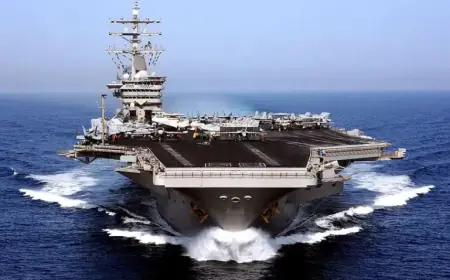
President Donald Trump suggested strikes on Iran could last weeks and indicated operations might continue until stated objectives were met; military strikes by the US and Israel showed no sign of abating while Iran launched missile barrages across the region. Analysts caution even optimistic scenarios could require a few weeks to re-establish export flows.
Writer’s aside: It’s easy to overlook how quickly insurance frictions and a few targeted maritime incidents can translate into a systemic repricing for energy and related equities—this is where market structure meets geopolitics, and the short-term winners and losers can differ from longer-term fundamentals.
Lukman Otunuga, a senior market analyst at a global broker, and other market commentators added commentary that is incomplete or unclear in the provided context.
Image: null