
























Saudi Aramco Closes Ras Tanura Refinery After Drone Attack: Source

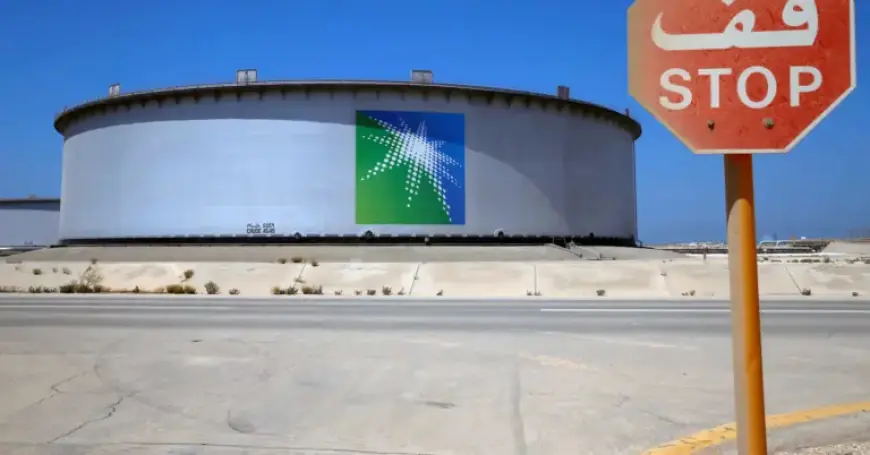
Saudi Arabia has closed its largest oil refinery, the Ras Tanura facility, following a drone attack. This incident is part of a broader wave of regional tensions affecting energy infrastructure in the Middle East.
Background on the Ras Tanura Refinery Attack
The Ras Tanura refinery, operated by Saudi Aramco, has a capacity of 550,000 barrels per day (bpd). It is an integral part of the country’s oil supply network and serves as a key export terminal for Saudi crude. The closure resulted from precautionary measures taken after two drones were intercepted at the site, causing minor damage but no injuries.
Impact on Regional Oil Production
The attack’s implications extend beyond Saudi Arabia. Significant oil and gas production facilities—including major Israeli gas fields and operations in Iraqi Kurdistan—have paused their activities. This halting of production is a precaution against potential escalations in violence stemming from the drone attack.
- Iraqi Kurdistan halted most operations, which previously exported about 200,000 bpd to Turkey’s Ceyhan port.
- Israel’s Chevron was instructed to shut down the Leviathan gas field, part of a $35 billion export contract with Egypt.
Market Reactions
Concerns over supply disruptions caused Brent crude futures to rise by roughly 10%. Prices increased to over $82 per barrel due to the market’s immediate response to the instability in the region.
Strategic Implications of the Attack
This drone strike on the Ras Tanura facility has been described as a significant escalation in tensions. Analysts suggest it highlights the growing threats to Gulf energy infrastructure, specifically aligning with Iranian interests. Torbjorn Soltvedt from Verisk Maplecroft noted that this incident may push Saudi Arabia and its neighbors closer to increased military collaboration with the U.S. and Israel.
Security Response and Ongoing Risks
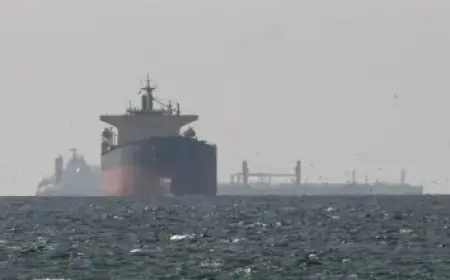
While Ras Tanura was not severely damaged, the underlying threat remains significant. The Strait of Hormuz, a critical passage for global oil supply, is now under heightened scrutiny following attacks on vessels nearby.
Saudi Arabia has faced attacks on its energy facilities before, the most notable being in September 2019, when drone strikes temporarily disabled over half of its crude production. This latest incident underscores ongoing vulnerabilities in the region’s energy infrastructure, particularly concerning Iranian alignments.