

























Trump’s Stance on Ending Daylight Saving Time: What He Has Said

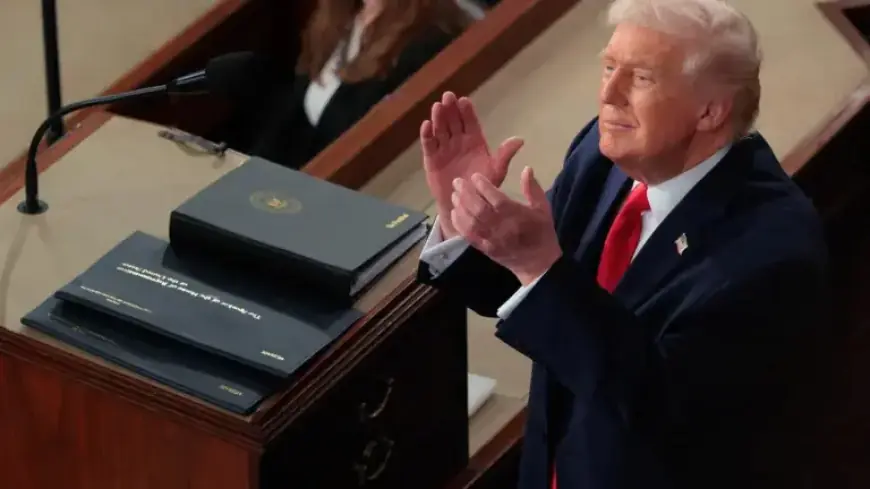
As daylight saving time approaches, many U.S. citizens are questioning the future of this seasonal clock adjustment. President Donald Trump has been vocal about his stance on this topic, sparking discussions about potential changes to the longstanding practice.
Trump’s Stance on Ending Daylight Saving Time
In March 2019, during his presidency, Trump expressed support for making daylight saving time a permanent arrangement. He reiterated this sentiment on social media in December 2024, stating that the Republican Party would strive to eliminate the time change. Trump emphasized that daylight saving time is “inconvenient” and “very costly” for the nation.
The History of Daylight Saving Time
Daylight saving time has been a federal law for over a century. Established in March 1918 by President Woodrow Wilson through the Standard Time Act, it was originally intended to conserve fuel during World War I. The current system, which involves changing the clocks twice annually, was formalized with the Uniform Time Act of 1966 under President Lyndon B. Johnson.
- March 1918: Daylight saving time is introduced.
- 1966: The Uniform Time Act is enacted.
Current Legislative Efforts
There have been various attempts to alter or abolish daylight saving time. The Sunshine Protection Act, first proposed in 2018 by Senator Marco Rubio, aims to make daylight saving time the permanent standard. Most recently, the Daylight Act of 2026 was introduced by Representative Greg Steube, proposing a permanent 30-minute advance of U.S. time zones.
Despite expressing initial support for eliminating daylight saving time, Trump appears hesitant. In March 2025, he labeled the issue as a “50-50” situation, acknowledging the divided opinions among the public. He indicated difficulty in rallying excitement for a change when so many have differing preferences regarding light availability in the mornings and evenings.
Confirmed Support from Lawmakers
Trump’s influence on the daylight saving time debate has been noted by various legislators. Senators Sheldon Whitehouse and Rick Scott have cited Trump’s support as a critical factor in their reintroduction of the bipartisan Sunshine Protection Act in January 2025. Scott specifically highlighted the enthusiasm surrounding Trump’s backing to “LOCK THE CLOCK.”
As discussions continue, the future of daylight saving time remains uncertain. Whether Trump will pursue the elimination of the biannual clock changes remains to be seen. However, his comments reflect a significant shift in the conversation around this long-standing practice.