
























Starmer’s base decision shifts Britain into a defensive stance — troops, stranded citizens and ministers feel the immediate impact

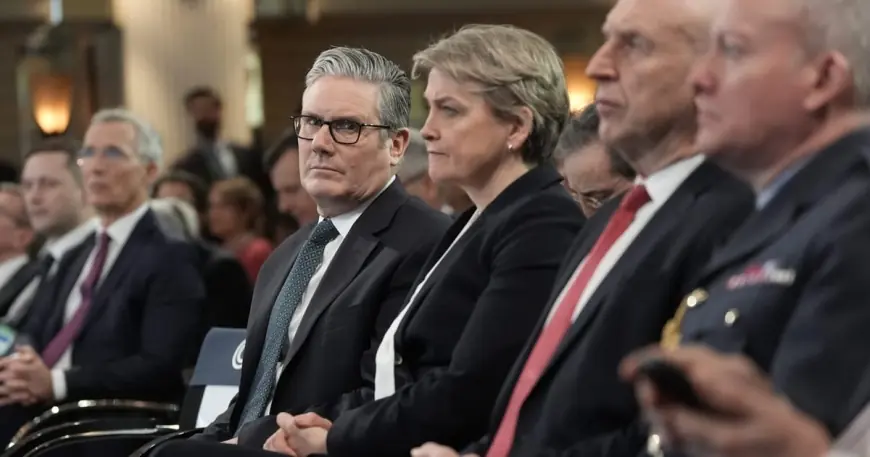
The choice by the prime minister to permit US use of British bases for a "specific and limited defensive purpose" is already changing who faces risk first: British service personnel in the region, thousands of Britons stranded by airspace closures, and ministers navigating a volatile domestic reaction. starmer framed the move as collective self-defence and protection of British lives; that framing is colliding with new military incidents and sharp political criticism at home.
Starmer’s framing and who it affects most
Starmer said the decision was driven by collective self-defence and protecting British lives, and he insisted the UK was not involved in the initial strikes and would not join offensive action now. He invoked lessons from the "mistakes of Iraq" and said the US would use UK bases only to destroy missiles "at source" for a limited defensive purpose. The immediate consequences are practical and political: British troops face elevated threats in the region, commercial shipping and citizens in Gulf states are disrupted, and ministers must manage party critics who view the step as either insufficient or unlawful.
Event details (how the decision connects to recent incidents)
The government said the US had requested access to British military bases for strikes on Iranian missile sites; RAF Fairford in Gloucestershire and Diego Garcia in the Indian Ocean were identified as likely locations for such use. Last month the British government had not given permission for US use of UK bases to support potential US strikes on Iran, but the prime minister later accepted the specific, limited defensive role outlined above and published a summary of legal advice stating the move complied with international law.
Hours after the prime minister’s recorded Sunday statement, a British RAF base in Cyprus was hit by a drone around midnight local time (22: 00 GMT). The MoD said minimal damage was caused and there were no casualties; investigations are under way to establish where the drone was fired from. Separately, a Gibraltar-flagged oil tanker was struck by an unknown projectile in the Strait of Hormuz near the United Arab Emirates; the vessel was able to proceed after a fire was extinguished.
Military and legal posture: ministers and the defence secretary
The defence secretary described a "very real and rising threat" from Iran and said few would mourn the death of Iran’s supreme leader, Ali Khamenei, which was announced after US and Israeli airstrikes. He characterised the Iranian regime as "evil" and said it had sponsored at least 20 terrorist plots against the UK and been involved in proxy wars. While declining to criticise the US and Israeli strikes and saying questions of legality were for the US to set out, he stressed the government’s current role is defensive: UK military planes are active to protect British citizens and interests and have shot down missiles that might have posed a threat. He also said Iran has been striking in an indiscriminate way, hitting hotels in Dubai and Bahrain and an airport in Kuwait, and urged Iran to give up its weapons and return to negotiation.
Domestic political fallout and reactions
- Conservative leader Kemi Badenoch accused the government of being too scared to take a stronger stance because some Labour voters are swayed by Middle East conflicts rather than the national interest.
- Liberal Democrat leader Sir Ed Davey said the UK must not be complicit in illegal military action and demanded MPs be given a say on allowing US use of bases.
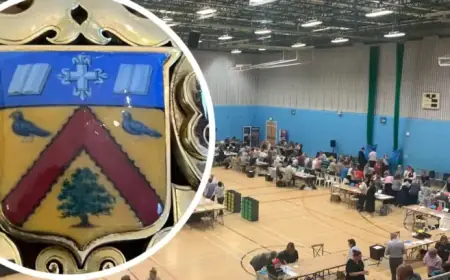
- Green Party leader Zack Polanski condemned the move, calling it another illegal Middle East war; his party recently won a by-election that intensified pressure on the prime minister.
- Reform UK leader Nigel Farage described the decision as "better late than never, " calling the prime minister a follower rather than a leader; similarly, Priti Patel said it was astonishing that Starmer did not offer more support to the US and Israeli operation.
- Across the Atlantic, Donald Trump said it may be necessary to use RAF Fairford and Diego Garcia if Iran did not make a deal, and some US politicians reacted angrily to Britain’s initial joint response with other European governments.
Here’s the part that matters: the move is defensive in wording but transforms basing posture into a potential launch platform, and ministers of several parties have already seized on that change for political advantage.
Key takeaways
- Permitting US use of RAF Fairford and Diego Garcia is presented as narrowly defensive but raises exposure for British forces and assets in the region.
- A Cyprus RAF base was hit by a drone at about midnight local time (22: 00 GMT); minimal damage and no casualties were reported and investigations continue.
- The defence secretary described a rising threat from Iran, cited at least 20 attempted plots against the UK, and insisted the UK’s posture is defensive.
- Domestic politics are tense: Labour’s standing is under pressure after a recent by-election loss and the move has drawn criticism across the political spectrum from both those who demand firmer support for the US and those warning of illegality.
- Commercial and citizen disruptions are real — tens of thousands of Britons have been affected by airspace closures and a tanker was hit in the Strait of Hormuz but was able to continue after a fire was put out.
The real question now is whether the defensive framing and published legal summary will calm the domestic backlash or simply shift scrutiny onto operational details and parliamentary oversight. It’s easy to overlook, but the government’s refusal to join offensive action while allowing defensive use of bases is a nuanced line that will be tested by further incidents and political pressure.
What’s easy to miss is how quickly a single basing decision ripples into diplomacy, force protection and domestic politics; expect each of those fronts to be probed in coming days as investigations and debates continue.