

























Day 3: US-Israeli Strikes on Iran – Key Developments

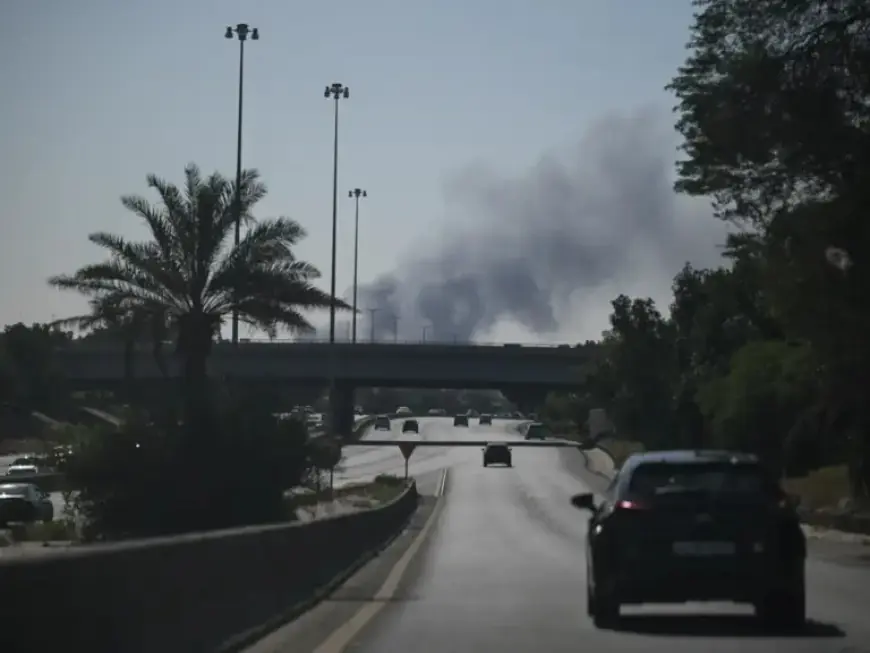
The ongoing conflict in the Middle East has intensified following the confirmed killing of Iranian Supreme Leader Ayatollah Ali Khamenei. This event triggered a series of military strikes involving the United States and Israel against Iran, with significant repercussions across the region.
Day 3: Key Developments in US-Israeli Strikes on Iran
As the conflict reaches its third day, the situation is rapidly evolving, with airstrikes and retaliatory attacks reported across multiple nations.
Iran’s Response
In Iran, more than 20 individuals were reported killed in an attack at Niloofar Square in Tehran. Additionally, a “hostile attack” in the city of Sanandaj claimed at least two lives. President Donald Trump indicated that the joint US-Israeli operation had resulted in the deaths of 48 Iranian leaders.
Escalation in the Gulf Region
On Monday morning, explosions were reported in Abu Dhabi and Doha. Qatar initially utilized the Patriot missile defense system but later deployed fighter jets to intercept threats. Kuwait’s military reported successful interceptions of various aerial targets. Notably, debris from these interventions fell near the US Embassy in Kuwait, causing minor injuries.
- Explosions in Abu Dhabi and Doha reported early Monday.
- Kuwait’s air defense intercepted multiple aerial targets.
- Minor injuries occurred from debris in Kuwait City.
Bahrain’s Interior Ministry confirmed that Iranian attacks targeted maritime facilities, leading to air raid alerts for residents. Qatar Airways announced a suspension of flights due to airspace closures.
Israeli Military Actions
Israel has accused Iran of launching further missile attacks. The Israeli defense system remains active, intercepting incoming missiles. The US military reported three service member casualties, marking the first American fatalities in the ongoing operations.
Regional Impact: Iraq, Syria, Lebanon, and Jordan
Israeli airstrikes targeted the southern suburbs of Beirut, resulting in numerous casualties. Reports indicate 20 fatalities and over 90 injuries in Beirut’s suburbs and southern regions. In Syria, debris from an Iranian missile injured civilians near Damascus. Meanwhile, sirens were activated in Aqaba, Jordan, amidst unverified claims of a US fighter jet crash.
Developments in Cyprus
In Cyprus, UK Prime Minister Keir Starmer confirmed the use of UK military bases for defensive operations against Iran. A drone strike occurred at the UK’s Akrotiri base, resulting in limited damage.
- UK bases in Cyprus are engaged in operations against Iran.
- Drone strike at Akrotiri base confirmed with minor damage.
The situation remains critical, with diplomatic talks overshadowed by military actions and retaliatory strikes. Nations are closely monitoring developments as the conflict continues to unfold across the region.