
























Iranian Leader Killed: US Confirms Casualties as Regional Strikes Escalate

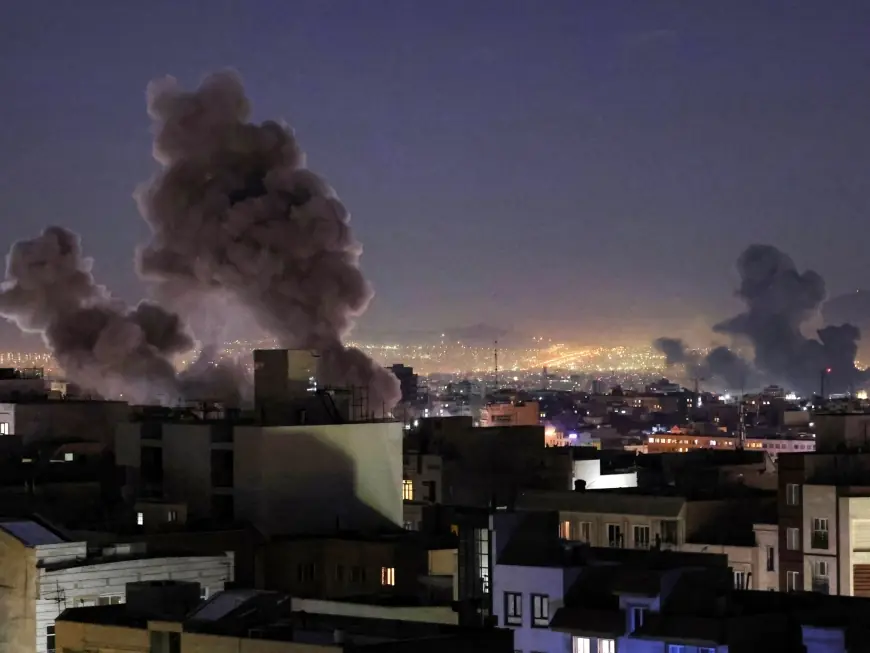
Three US service members have been killed and several others wounded in the days after the iranian leader killed in an initial US-Israeli strike, US Central Command has confirmed, as Tehran and Gulf states trade strikes and political responses across the region.
US Central Command Confirms First Combat Casualties
Central Command said on Sunday that three US service members were killed and several others injured as part of the US-Israeli strikes on Iran. The statement added that several personnel sustained "minor shrapnel injuries and concussions" and are in the process of being returned to duty. Military officials did not provide details on how or when the troops lost their lives or sustained injuries, and the command said it would withhold the identities of the fallen until 24 hours after next of kin have been notified.
Iranian Leader Killed Prompts Regional Strikes
The announcement of American casualties came after a major offensive launched on Saturday that killed Supreme Leader Ayatollah Ali Khamenei and senior Iranian military figures, a strike that Tehran said prompted counterattacks. Iran declared 40 days of mourning and then launched missile strikes at Israel and US military facilities across the Middle East. Iran’s Revolutionary Guard has threatened what it described as its "most intense offensive operation" ever on Israeli and US military installations.
Ships, Bases and the USS Abraham Lincoln
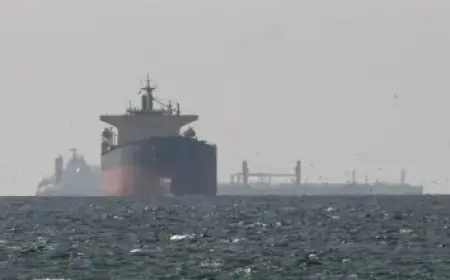
Tehran said it had attacked the USS Abraham Lincoln aircraft carrier with four ballistic missiles, state media stated, but Central Command said the ship "was not hit" and that the missiles "didn't even come close. " President Donald Trump posted that the US military had destroyed nine ships in the Iranian navy and was "going after the rest. " The US operation against Iran, officially named "Epic Fury, " has so far been blamed for at least 200 deaths in Iran, the Red Crescent has recorded.
Human Toll in Iran, Israel, UAE and Kuwait
The strikes have produced casualties beyond military losses. In Israel, rescue services said nine people were killed and 28 wounded in an Iranian strike on the central town of Beit Shemesh, bringing the country's reported death toll to 11 with others missing. The United Arab Emirates said three people had been killed in Iranian attacks there, while Kuwait reported one dead. The Red Crescent’s casualty figure in Iran and the local rescue tallies in Israel together show the civilian and military cost of the exchanges.
Political Reactions and Gulf Cooperation Council Deliberations
Senior US and international political reactions have ranged widely. Republican Senator Lindsey Graham praised the strikes, calling the removal of Khamenei and his inner team a major blow to what he described as state sponsorship of terrorism. Gulf Cooperation Council foreign ministers — representing the UAE, Bahrain, Saudi Arabia, Oman, Qatar and Kuwait — convened by video link, reviewed what they called extensive damage, and discussed steps to restore stability. The ministers said Gulf countries will take all necessary measures to defend their security and stability and to protect territories, citizens and residents, "including the option of responding to the aggression, " and called for an immediate cessation of the attacks, adding that regional stability is a fundamental pillar of global economic stability.
Escalation, Uncertainty and International Response
The strikes by the US and Israel have produced mixed global reactions, with angry protests, celebrations, and renewed calls from world leaders for a return to negotiations and peace. Other coverage referenced an interview with Iranian Foreign Minister Abbas Araghchi and noted separate accounts that placed three American service members among the casualties in Kuwait. What makes this notable is the speed with which a single, high-profile strike — the killing of the supreme leader and senior security officials — translated into missile launches at carriers, bases and cities, triggering casualties, wider military operations and a unified diplomatic response from Gulf states.
Major combat operations continue, Central Command said, and the response effort remains ongoing. The situation is fluid, and officials have emphasized restraint on public details out of respect for families and the operational picture.