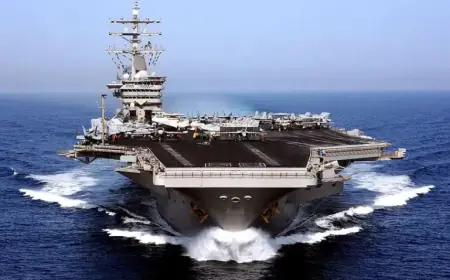

























Iran’s Retaliatory Strikes Jolt Qatar, UAE, and Kuwait

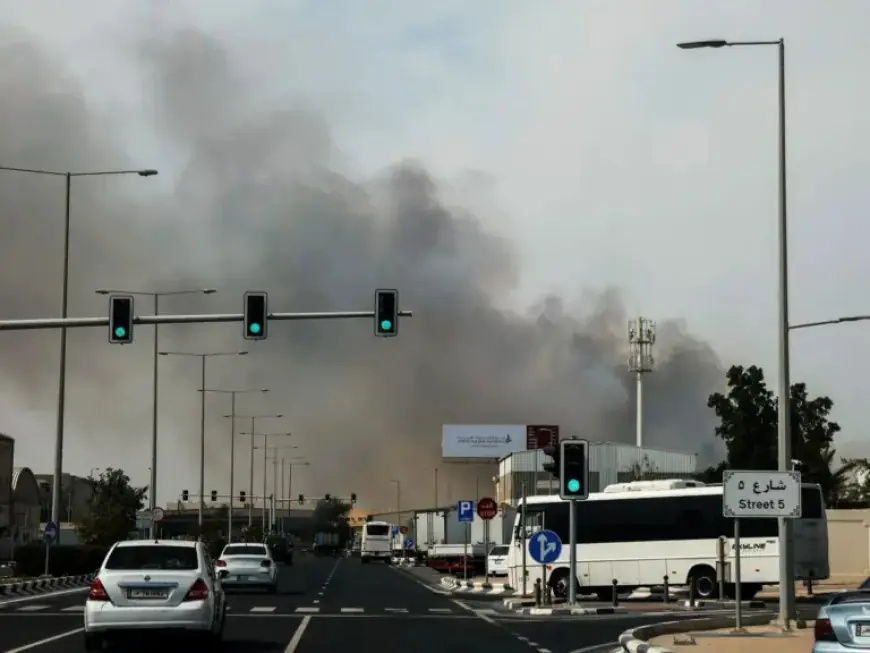
Tehran’s recent retaliatory strikes have sent shockwaves across Qatar, the United Arab Emirates (UAE), and Kuwait. As tensions escalate in the Gulf region, the situation is evolving rapidly, drawing the world’s attention.
Impact of Iranian Strikes in the Gulf Region
Over the past few days, Iranian attacks aimed at U.S. assets have been reported, causing alarm among neighboring countries. Loud explosions resonated in major cities, including Dubai and Doha, marking a significant uptick in hostilities.
Locations Affected by the Attacks
- Dubai, United Arab Emirates
- Doha, Qatar
- Kuwait
Witnesses reported early morning blasts in Kuwait, with smoke rising near the U.S. embassy. Kuwait’s air defense systems successfully intercepted many drones targeting the Rumaithiya and Salwa neighborhoods, as confirmed by the Kuwait News Agency.
Casualties and Defense Measures
The escalating violence has resulted in tragic casualties: three people were killed in the UAE, one in Kuwait, and 16 were injured in Qatar. Meanwhile, Iran has suffered significant losses, with over 200 fatalities attributed to U.S.-Israeli airstrikes, alongside hundreds of injuries in both Iran and Israel.
Government Responses
In light of these developments, Bahrain’s Ministry of Interior has activated air raid alerts. Citizens are advised to seek safe locations, and access to the Shaikh Khalifa bin Salman Bridge has been restricted.
Joint Statement from Gulf States
A coalition including the U.S., Bahrain, Jordan, Kuwait, Qatar, Saudi Arabia, and the UAE condemned the Iranian actions. They asserted their right to self-defense and committed to measures necessary for safeguarding their nations and citizens.
Iran’s Position
Iran’s Foreign Minister, Abbas Araghchi, emphasized that the nation’s targets are American and not its Gulf neighbors. He described the actions as defensive, aimed at retaliation against perceived American aggression, and reaffirmed Iran’s commitment to maintaining good relations with Gulf countries.
The ongoing retaliatory strikes represent a critical moment in regional dynamics, underscoring the volatility of the Middle East and the potential for further escalation.