























Cyprus News: Suspected Drone Strike Hits RAF Akrotiri as UK Boosts Defensive Measures

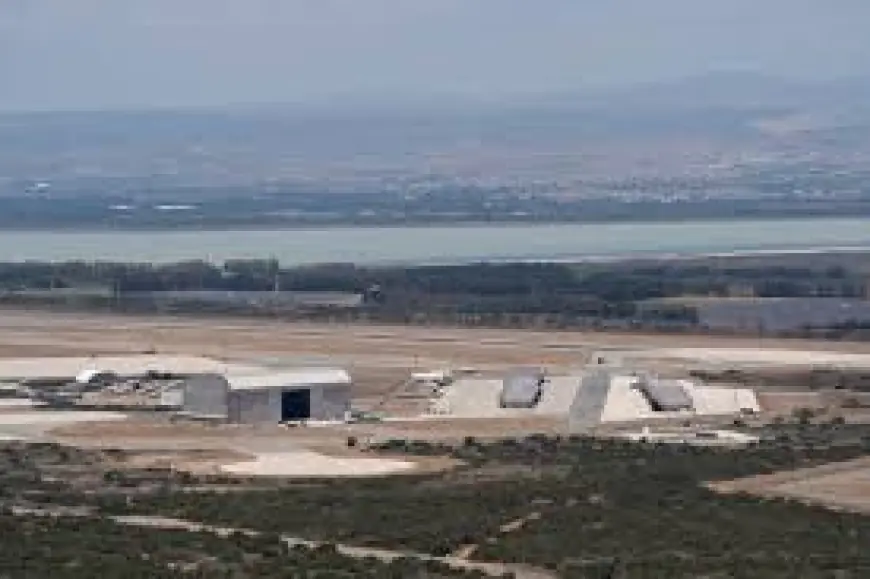
A British Royal Air Force base on Cyprus was struck in a suspected drone attack late on Sunday, triggering temporary dispersal plans and an intensification of UK defensive operations. The incident is the latest flashpoint in a wider regional confrontation and is already shaping cyprus news coverage and local security measures.
RAF Akrotiri: midnight strike and base response
The Ministry of Defence said armed forces were responding to the incident at RAF Akrotiri at around midnight local time (22: 00 GMT). The ministry stressed that force protection in the region was at its highest level and that the base had acted to defend personnel. The strike involved an unmanned drone and caused limited damage, the Cypriot government spokesperson said. There were no casualties in the suspected attack.
Cyprus News: Sovereign Bases Administration issues temporary dispersal
In the early hours of Monday, the Sovereign Bases Administration confirmed plans for the temporary dispersal of non-essential personnel from RAF Akrotiri Station. That notice applies only to the military base; residents of the nearby Akrotiri village are not required to leave. The administration added that other locations, workplaces, businesses and facilities in the area would remain open as normal and that there were no wider restrictions in place.
John Healey: risk to British troops and civilians
Defence Secretary John Healey said protecting UK bases from "indiscriminate attacks" by Iran is a priority and warned that British troops and civilians in the Middle East are being put at risk. He described British military personnel in Bahrain as having been within several hundred yards of a retaliatory missile and drone strike, and noted that about 300 UK personnel were present at the Bahrain military base that was hit. Healey also reiterated that two ballistic missiles had been fired towards Cyprus, while saying he was "pretty sure" Cyprus was not the intended target.
Sir Keir Starmer and UK policy on bases and offensive action
Prime Minister Sir Keir Starmer has confirmed that the UK has agreed to a US request to use British military bases for defensive strikes on Iranian missile sites. He said the decision was grounded in collective self-defence and the need to protect British lives, while accusing Iran of pursuing a "scorched-earth strategy. " At the same time, Sir Keir said the UK was not involved in the initial US and Israeli strikes on Iran and would not join in offensive action now, adding that lessons had been learned from the mistakes of Iraq. A Cypriot government spokesman said Sir Keir had "clearly confirmed that Cyprus was not a target" during a telephone call with President Nikos Christodoulides.
Regional strikes: US-Israel action and Iran's retaliation
The latest conflict began when US and Israeli forces launched a substantial and ongoing attack against Iran's leadership and military. That operation included the killing of Supreme Leader Ayatollah Ali Khamenei. Iran responded by firing ballistic missiles and launching drones at US assets and allied states across the region, targeting Israel, Bahrain, Kuwait, Qatar, the United Arab Emirates and Jordan. Since Saturday, waves of missile and drone attacks have struck targets across Israel, Bahrain, Qatar, the UAE, Kuwait and Iraq.
RAF and coalition defensive actions
UK forces have taken multiple defensive actions since the strikes began. An RAF Typhoon jet operating out of Qatar shot down an Iranian drone during a defensive air patrol, marking the first time a UK fighter has brought down an Iranian drone in this episode. Earlier, a UK counter-drone unit in Iraq intercepted and destroyed an Iranian drone that was heading towards a coalition base housing UK service personnel. The UK, France and Germany issued a joint statement condemning Iran's actions as "indiscriminate and disproportionate" and pledged to take steps to defend their interests, potentially enabling proportionate defensive action to degrade Iran's missile and drone capabilities at source.
What makes this notable is the near-simultaneous use of diplomatic confirmations, local base protections and kinetic defensive strikes, demonstrating a coordinated shift toward active defence that has immediate operational consequences for personnel on and around RAF Akrotiri. UK officials are also formulating plans to potentially evacuate British nationals from parts of the Middle East, although such moves are unlikely to be imminent because of airspace closures across the region.