





















Putin’s name appears amid global fallout as Iranians split over Khamenei’s killing

putin The assassination of Iran’s supreme leader, Ayatollah Ali Khamenei, set off immediate domestic and international shock after a surprise wave of US‑Israel strikes that hit his residence on Saturday morning and left his leadership decapitated.
Strikes hit Khamenei’s residence on Saturday morning
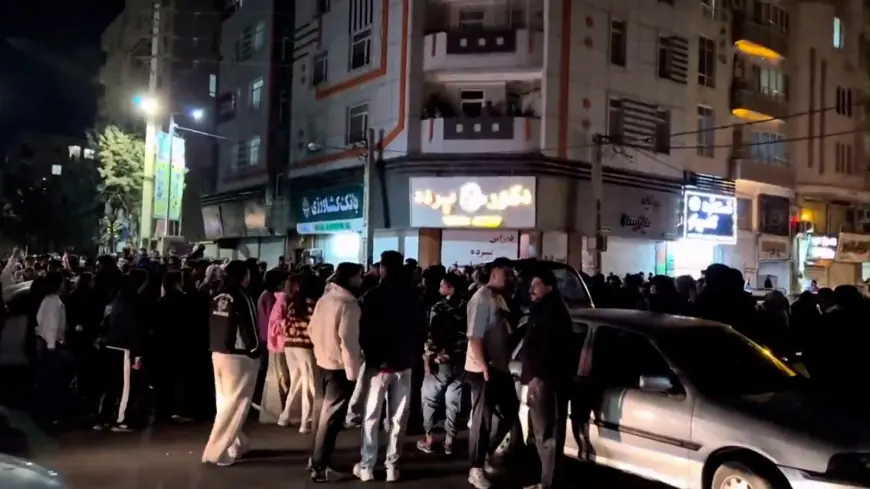
Satellite images showed significant damage to Khamenei’s compound after the first wave of strikes on Saturday morning, and Iran’s initial response was that he had been taken to a safe place; a planned state television address did not materialise that day. By early evening, Benjamin Netanyahu said in a televised address that “there are many signs” the Supreme Leader “is no longer, ” and a series of reports in Israeli and US media argued there was convincing evidence he was dead. Iranian officials continued to deny those reports until several hours after US President Donald Trump posted that news on his social media platform, when an Iranian state TV presenter tearfully announced the passing of “the steadfast mountain of the Islamic guardianship” who “drank the sweet pure draught of martyrdom. ” A period of forty days of mourning was announced, and as the second day of war dawned pro‑government events began to grieve his passing while videos also emerged of celebrations in some cities across Iran and explosions of joy in Iranian communities in many countries.
A 60‑second operation after decades of intelligence work
Experts and veteran intelligence officers described the killing as the culmination of decades of work and a single concentrated burst of lethal violence that took just 60 seconds to carry out. Military officials in Israel said Khamenei was killed along with seven members of the top Iranian security leadership who had gathered at several locations in Tehran and about a dozen members of his family and close entourage in near‑simultaneous strikes within 60 seconds; they added that forty other senior Iranian leaders also died in the attack. Commentators said the strike opened an air offensive launched that weekend by Israel and the US, an effort critics said aimed to overthrow the radical clerical regime and had plunged the Middle East into renewed chaos and violence.
Intelligence and preparation: CIA, Israeli agents and a Saturday morning meeting
Officials and former operatives said Israeli secret services built years of tracking on Khamenei while the CIA and other US intelligence services provided crucial technological resources and manpower over the last six months; the timing was tied to intelligence that a meeting of top Iranian officials at a leadership compound in the heart of Tehran was scheduled for Saturday morning and that Khamenei would be there. Amos Yadlin described the strike as “a tactical surprise, an operational surprise, ” because the expectation was for attacks under cover of darkness similar to the strike that opened the 12‑day war last June. Intelligence veterans warned the operation carried strategic risks: Yossi Melman argued that a history of assassinations does not end movements that can replace leaders, and some experts cautioned the decapitation could alienate potential supporters or empower more radical opponents.
How Iranians reacted on the streets
Video clips that began to circulate after the attack on Saturday showed deep divides across Iran: some people celebrated in the streets, cheering and honking horns — in one clip a man is heard saying “I love Trump” — while pro‑regime crowds prayed for their leaders. John Sparks, an international correspondent, said “the clerics and their supporters will hold on until the bitter end, ” and noted that whether the removal of top leaders will prompt regime change depends on whether people are willing to fight for it. Anger and alienation were said to be intensified by the brutal killing of thousands of dissenters seven weeks earlier, and commentators noted the US was unlikely to have won much support from the families of dozens of children killed in a strike on a girls’ school; Iran’s rulers retain a fiercely loyal base even as many civilians celebrated the operation.
Putin’s role: unclear in the provided context
Whether Putin or any other foreign leader had a role or reaction is unclear in the provided context. Lyse Doucet called the moment defining for the Islamic Republic of Iran, and observers noted that during the 12‑day war last June Israel’s first night of attacks had killed nine nuclear scientists and a number of security chiefs, with more senior scientists and at least 30 leading commanders killed in the days that followed; it had been made clear then that the Ayatollah could be in their sights and Khamenei reportedly spent that war period in his special bunker drawing up lists of security officials who could immediately step in to avoid a vacuum in the top echelons.
For now, confirmed next steps include the period of forty days of mourning that has been declared and the emergence of pro‑government commemorations as the second day of war has dawned; other developments and international responses are unclear in the provided context.