

























Trump Initiates Iran Strikes Amid Unverified Claims

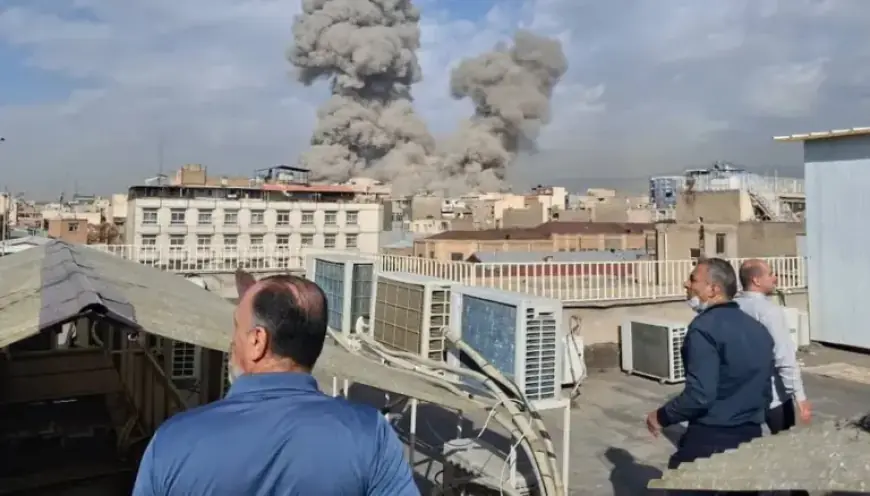
The recent escalation between the United States and Iran has intensified global tensions. On February 28, 2026, President Donald Trump announced military strikes against Iran, claiming the nation was on the verge of developing nuclear weapons that could pose a threat to U.S. allies and potentially reach the U.S. homeland.
Trump’s Claims and Military Actions
During an eight-minute video shared on his Truth Social platform, Trump accused Iran of rejecting opportunities to cease its nuclear ambitions. He asserted that the U.S. targeted three crucial Iranian nuclear sites in June 2025, emphasizing the need to respond due to Iran’s continued missile development.
Retaliation and Consequences
In response, Iran launched attacks on Israel and several Middle Eastern nations hosting U.S. military personnel. Trump concluded his video with a warning regarding the safety of American military members and a call for Iranians to rise against their authoritarian regime.
Contradicting Assessments
While Trump warned of an imminent threat from Iranian missiles, a 2025 federal assessment highlighted that Iran could take years to develop intercontinental ballistic missiles capable of reaching the U.S. Secretary of State Marco Rubio has refrained from speculating on Iran’s missile capabilities, indicating a more cautious perspective. He acknowledged that Iran has made advancements in missile range, yet solid estimates suggest a long timeline for true intercontinental capabilities.
Congressional Response
Trump’s actions came without congressional approval, raising concerns among some lawmakers. Both Democrats and a portion of Republicans in Congress are advocating for a discussion of war powers resolutions concerning Iran in the coming week.
Intelligence and Expert Opinions
Recent assessments from the Defense Intelligence Agency indicated that Iran might be able to develop intercontinental capabilities by 2035 if it chooses to focus on that path. Experts like Richard Nephew noted that while Iran possesses missiles that can reach parts of Eastern Europe, their ability to effectively target the U.S. remains years away.
Technical Hurdles and International Dynamics
Building a viable intercontinental ballistic missile involves overcoming significant technical challenges, which include developing a nuclear warhead and miniaturizing it for missile use. Iran’s missile program currently focuses on short- and medium-range capacities.
- Current range of Iranian missiles: Up to 2,000 kilometers.
- Distance from Tehran to Washington, D.C.: Approximately 10,000 kilometers.
- Potential development timeline for long-range missiles: By 2035, if pursued diligently.
Source of Information and Clarity
The White House has not responded to requests for clarification regarding Trump’s assertions about the urgency of the missile threat. Additionally, reports from The New York Times indicated that Trump may have overstated the immediacy of the threat posed by Iranian capabilities.
Misinformation and Messaging Issues
Trump described the military operations as having “obliterated” Iranian nuclear facilities, a claim that contradicts previous government assessments which stated that such actions only “significantly degraded” Iran’s nuclear capabilities. Analysts have criticized these statements, suggesting the situation is less dire than presented.
The dynamics of U.S.-Iran relations continue to evolve, with mounting scrutiny over military actions and their justifications. As the situation progresses, experts stress the importance of reliable intelligence and measured responses to avoid further escalation.